
Every street corner in Istanbul shows thousands of years of civilization. When international patients come to Turkey for treatment, their recovery time is often a great chance to learn about the rich culture of this amazing place. The Istanbul Archaeological Museums are a wonderful place to visit while you’re recovering from an injury. They are a huge museum complex that displays artifacts from ancient empires that once ruled the area.
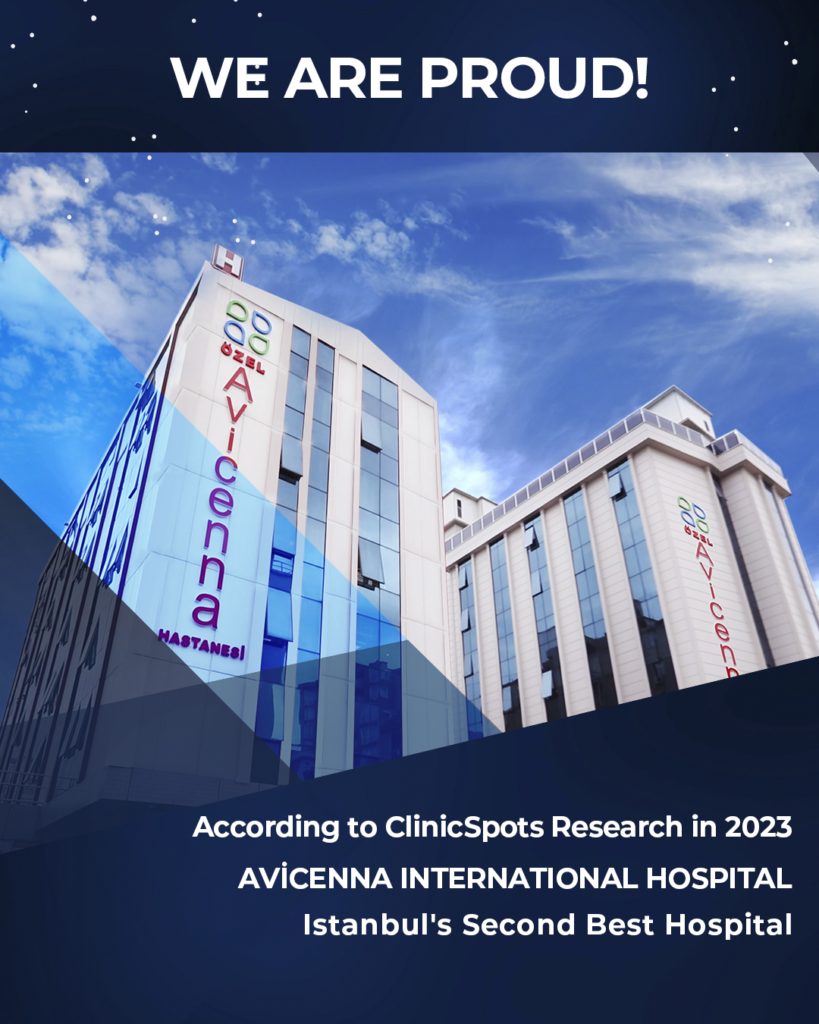
The Istanbul Archaeological Museums are in the historic peninsula near Topkapı Palace and Gülhane Park. They are a peaceful and educational cultural experience. The museum’s large gardens, well-organized galleries, and location near important historical sites make it a great low-impact activity for people who are recovering from surgery. Many people who go to Avicenna International Hospital find that a slow, thoughtful walk through this museum complex is a beneficial way to reconnect with the city and get their minds working again.
A Cultural Landmark in the Heart of Historic Istanbul
The Istanbul Archaeological Museums complex is in the Sultanahmet district of the Fatih area, which is one of the city’s most historically important areas. The museum is located between Gülhane Park and the grounds of Topkapı Palace. It is easy to reach from central Istanbul, making it a good day trip for those in the city for medical treatment or recovery.
There are three separate museums in the same garden that make up the complex:
- Museum of Archaeology
- The Ancient Orient Museum
- Museum of Tiled Kiosks
They hold almost a million artifacts from civilizations in Anatolia, Mesopotamia, Egypt, Greece, Rome, Byzantium, and the Ottoman Empire. This amazing variety is a result of Istanbul’s long history as the capital of many empires and one of the most important cultural crossroads in the world.
The museum is a peaceful cultural space for health tourists in Istanbul. It lets them learn about history at their pace without the physical demands of more crowded tourist attractions.
Origins of the Istanbul Archaeological Museums
The history of the Istanbul Archaeological Museums starts in the late 1800s with the groundbreaking work of Osman Hamdi Bey, an Ottoman painter, archaeologist, and museum director. People have been interested in collecting historical artifacts since the time of Sultan Mehmed II, but it was during the Ottoman Empire’s modernization period that museum culture really took off.
The Imperial Museum (Müze-i Hümayun) was built in 1869. It was the first organized museum in the Ottoman Empire. At first, archaeological finds were kept in Hagia Irene, a historic Byzantine church that is part of the Topkapı Palace complex.
Osman Hamdi Bey turned the museum into a scientifically organized one when he became director in 1881. His digs in Anatolia and the Near East found amazing archaeological finds, like the famous sarcophagi from the Sidon necropolis in what is now Lebanon.
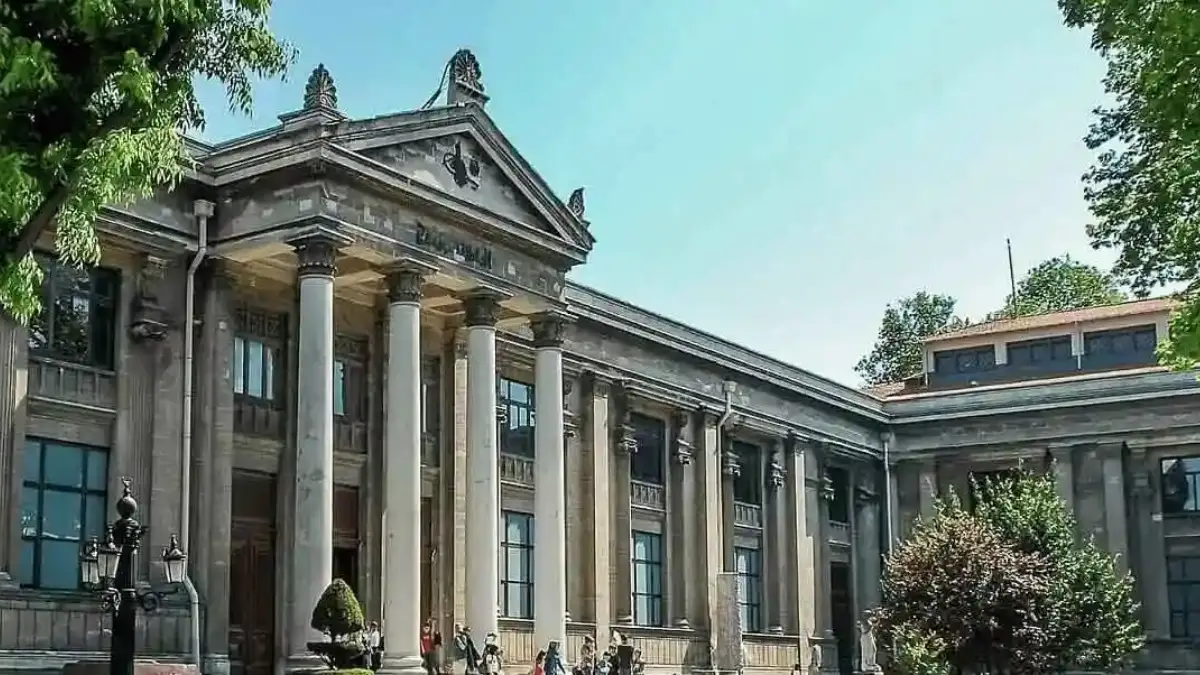
These finds, especially the Alexander Sarcophagus, made it necessary to build a museum just for them. Architect Alexandre Vallaury built the main Archaeology Museum building, which opened in 1891. The museum’s beautiful neoclassical front is still one of the most unique museum buildings in Istanbul.
The Archaeology Museum
The central building of the Istanbul Archaeological Museums complex is the Archaeology Museum itself. Designed specifically to display monumental artifacts, it was one of the few structures in the world built solely as a museum during the nineteenth century.
Inside, visitors encounter galleries dedicated to classical archaeology, including sculptures, sarcophagi, and artifacts from the Greek, Roman, and Hellenistic periods. Among the most celebrated pieces are:
- Alexander Sarcophagus—A richly carved marble sarcophagus depicting Alexander the Great in battle scenes.
- Sarcophagus of the Crying Women—Known for its expressive sculpted figures representing mourning attendants.
- Lycian Sarcophagus—Featuring mythological imagery, including griffins and sphinxes.
These artifacts offer a remarkable glimpse into the artistic traditions and burial practices of ancient Mediterranean cultures.
For visitors recovering from medical treatment, the spacious halls and well-organized galleries allow for comfortable exploration without long walking distances or overwhelming crowds.
The Museum of the Ancient Orient
The Museum of the Ancient Orient is another important part of the Istanbul Archaeological Museums. Osman Hamdi Bey built this building in 1883 to be the first academy of fine arts in the Ottoman Empire.
It was later turned into a museum, and now it has artifacts from ancient Near Eastern civilizations like Anatolia, Mesopotamia, Egypt, and Persia. Here are some of the most interesting things:
Pieces of the Ishtar Gate from Babylon
The Treaty of Kadesh is thought to be the first known peace treaty in the world.
Tablets and inscriptions from ancient Babylon
The displays show how societies thousands of years ago handled diplomacy, government, and cultural exchange.
This part is a fascinating educational experience for international visitors who are going to Istanbul for medical tourism. It shows how deeply rooted the area’s history is in the present.
The Tiled Kiosk Museum
The Tiled Kiosk, which was built in 1472 during the reign of Sultan Mehmed the Conqueror, is the oldest building in the Istanbul Archaeological Museums complex. The building was originally built as a pleasure pavilion for the Ottoman court. It is now a historical treasure.
The building’s unique Persian-influenced style includes mosaic tile decorations, a marble arcade held up by fourteen columns, and ornate brickwork around the front.
The Tiled Kiosk Museum has a large collection of Turkish ceramics and tiles from the Seljuk and Ottoman periods on display today. Some of the most interesting things are the beautiful Iznik tiles and ceramics that used to decorate mosques, palaces, and imperial buildings.
This museum is a nice and easy stop in the larger complex for people who are recovering from surgery or other medical procedures. Its small size and interesting exhibits make it a good place to go.
Exploring the Museum Gardens During Recovery
The gardens of the Istanbul Archaeological Museums are a quiet outdoor space full of ancient sculptures, sarcophagi, and pieces of architecture.
People who come here often like to stop, sit, and enjoy the historical setting while surrounded by trees and landscaped paths with artifacts that are hundreds of years old. There is a café on the grounds where you can get drinks, making the gardens a great place to relax.
For patients who go to Istanbul for medical care, gentle outdoor walks like this can be a helpful part of their recovery because they combine light exercise with cultural experiences.
Practical Information for Visiting
The Istanbul Archaeological Museums are open every day from 9:00 am to 6:30 pm. The last entry is at 6:00 pm. The museum is in the Sultanahmet district and is easy to get to from the Gülhane tram stop. Just walk up the hill to Topkapı Palace.
Things to do nearby include:
The Hagia Sophia
The Blue Mosque
Park Gülhane
Palace of Topkapı
Because of this closeness, visitors can plan short cultural trips during their recovery time without having to travel far.
Cultural Discovery During Medical Travel
For patients visiting Istanbul for treatment, recovery does not have to mean remaining indoors. The Istanbul Archaeological Museums provide a calm, intellectually engaging environment where visitors can explore thousands of years of human history at a comfortable pace.
Experiencing the artifacts of ancient civilizations—from Babylonian inscriptions to Hellenistic sculpture—offers a meaningful way to connect with the cultural heritage of the city while allowing the body time to heal.
Many international patients receiving treatment at Avicenna International Hospital choose to include gentle cultural visits like the Istanbul Archaeological Museums in their recovery plans. The combination of world-class healthcare and the extraordinary historical richness of Istanbul creates a unique medical tourism experience where well-being and discovery naturally go hand in hand.
The Istanbul Archaeological Museums are famous for their large collections of artifacts from ancient civilizations. Some of these artifacts include the Alexander Sarcophagus, the Treaty of Kadesh, and pieces of the Ishtar Gate. The complex has almost a million artifacts from cultures in Anatolia, Mesopotamia, Egypt, Greece, and the Roman world.
The museums are in the Fatih district of Istanbul’s historic peninsula, in the Sultanahmet area. You can easily get to the complex by tram from the Gülhane stop. It is between Gülhane Park and Topkapı Palace.
Most people who go to the Istanbul Archaeological Museums spend between 1.5 and 3 hours there. Patients who are recovering from surgery can easily split their time between the three museums and the gardens. This gives them plenty of time to rest and think.