
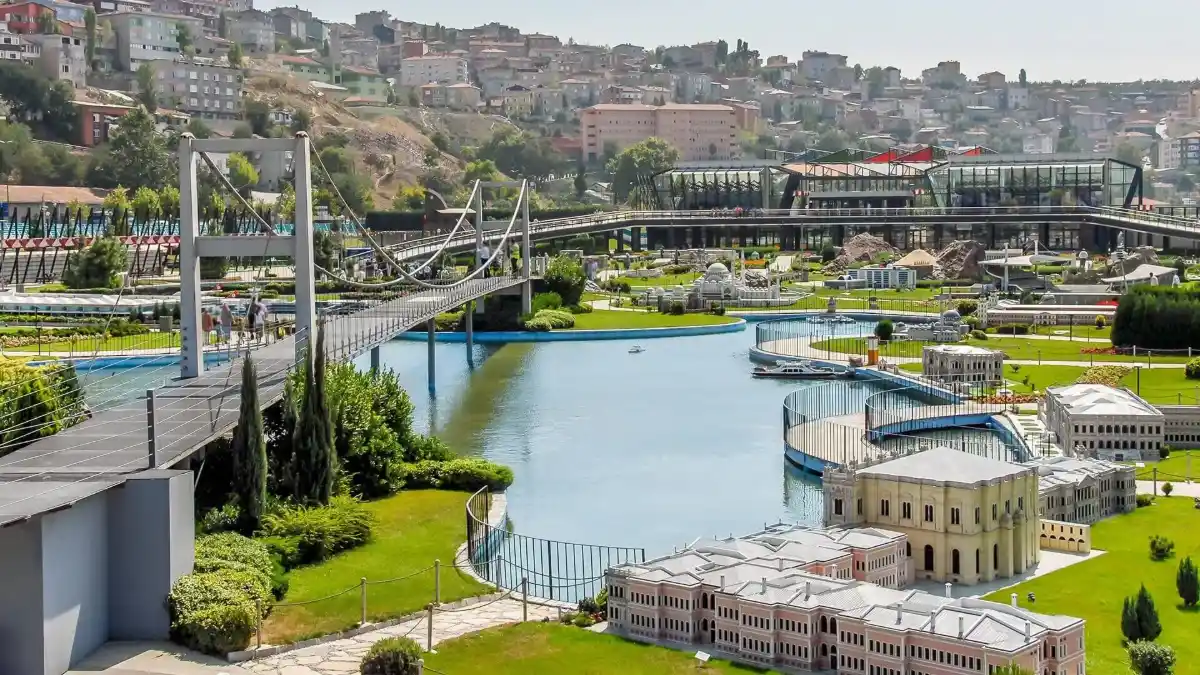
Miniatürk Park offers one of the most distinctive cultural experiences in Istanbul. Set beside the Golden Horn, this open-air attraction brings together scaled replicas of some of Turkey’s most recognizable landmarks, giving visitors a compact way to explore the country’s architectural, historical, and cultural heritage in a single visit.
For international patients in Istanbul, Miniatürk Park can be especially appealing. It is visually rich, relatively simple to navigate, and less physically demanding than covering multiple heritage sites across the city in one day. That makes it a practical option for those who want a calm, rewarding outing during a medical trip.
What is Miniatürk Park?
Miniatürk Park is a large open-air miniature park in Istanbul showcasing detailed 1/25 scale models of important structures from across Turkey and former Ottoman lands. It is often described as a cultural showcase because it brings together monuments, mosques, bridges, palaces, civic buildings, and natural landmarks in one landscaped setting.
Visitors can see miniature versions of sites associated with Istanbul, Anatolia, and territories connected to Ottoman history. That breadth is what makes Miniatürk Park more than a family attraction. It also functions as a visual introduction to Turkey’s layered identity, from classical antiquity and Seljuk heritage to Ottoman and modern republican landmarks.
Is Miniatürk Park worth visiting?
Yes, Miniatürk Park is worth visiting if you want an accessible overview of Turkey’s landmarks without traveling across the entire country. It is particularly worthwhile for first-time visitors to Istanbul, families, photography enthusiasts, and medical tourists looking for a low-stress cultural activity.
The appeal lies in perspective. You can move from Hagia Sophia and the Blue Mosque to Cappadocia’s fairy chimneys, Pamukkale, the Bosphorus Bridge, and Anıtkabir within a short walking route. It turns a vast national story into something easy to absorb in an afternoon.
What can you see inside Miniatürk Park?
Miniatürk Park features over a hundred miniature models representing major cultural and historical sites. The collection includes landmarks from Istanbul, monuments from wider Anatolia, and structures linked to the Ottoman world beyond modern Turkey.
Highlights often include:
- Hagia Sophia
- Blue Mosque
- Galata Tower
- Maiden’s Tower
- Bosphorus Bridge
- Selimiye Mosque
- Mount Nemrut monuments
- House of the Virgin Mary
- Pamukkale
- Cappadocia’s rock formations
Beyond the models themselves, visitors may also find family-friendly attractions, landscaped walkways, and supporting displays that add context to the experience. Many guests also look for Miniaturk photos because the park is highly photogenic, especially on bright days when the details of the models stand out clearly.
How long to spend at Miniatürk?
Most visitors spend around 2 to 3 hours at Miniatürk. That is usually enough time to walk through the main sections, stop for photographs, and enjoy a relaxed visit without rushing.
If you are traveling with children or prefer to read about each model in more detail, you may want to consider a longer version. For patients combining recovery with gentle sightseeing, this shortened timeframe can be ideal. It allows for a meaningful cultural visit without the fatigue that often comes with a full day of urban touring in Istanbul.
Miniatürk park tickets, prices, and practical planning
Miniatürk park tickets and on-site pricing policies can change, so it is sensible to check the official source before visiting. Travelers often search for terms such as Miniaturk entrance fee, Miniatürk park prices, and Miniatürk opening hours when planning their day.
In practical terms, what matters most is planning around:
- current ticket rates
- opening and closing times
- transport from Taksim, Sultanahmet, or nearby districts
- weather, since the models are outdoors
Because Miniatürk is an open-air venue, dry and mild weather usually makes for the best experience. Comfortable footwear, water, and a light, unhurried schedule are also helpful, especially for visitors recovering after treatment.
What makes Miniatürk Museum different from other Istanbul attractions?
Miniatürk Museum stands out because it condenses geography, architecture, and national memory into one manageable space. Unlike major monuments where you experience a single site in depth, Miniatürk lets you compare many places at once.
That different scale can be surprisingly useful. Some visitors see it as an introduction before visiting full-size landmarks such as Topkapı Palace, Sultanahmet, or Galata Tower. Others enjoy it as a reflective alternative to crowded sightseeing areas. It offers cultural variety without the intensity of navigating central Istanbul all day.
Where is Miniatürk Park and how do you get there?
Miniatürk Park is located near the Golden Horn in Istanbul, within reach of central districts such as Taksim, Beyoğlu, and Sultanahmet by taxi or public transport. Depending on traffic, it is often a manageable ride from key visitor areas.
That location also makes it easy to combine with nearby attractions. Some travelers pair it with the Rahmi M. Koç Museum, waterfront walks along the Golden Horn, or a broader day of exploring less hectic parts of the city beyond the historic peninsula. Those considering Istanbul Aquarium as another family-friendly stop should note that it is in a different area of the city, so it is better planned as a separate outing.
Is Miniatürk a good place to visit during a medical trip to Istanbul?
Yes, Miniatürk Park can suit many international patients because it offers a gentle cultural experience with visual richness and relatively straightforward walking. For people visiting Istanbul for treatment, not every day should be filled with long queues, steep streets, or crowded transport changes.
Miniatürk works well as a lighter day out. It allows patients and companions to enjoy Turkish heritage in a calm environment, take photographs, pause for refreshments, and return to their accommodation without feeling overextended. In the broader health tourism landscape of Istanbul, experiences like this help turn a clinical journey into a more rounded and humane stay.
Cultural experiences and recovery in Istanbul
Recovery-friendly sightseeing matters. Patients often want activities that feel meaningful without being exhausting, and Istanbul offers several options in that category, from Bosphorus views and museum visits to quieter neighborhood walks and heritage spaces.
Miniatürk Park fits neatly into that rhythm. It connects visitors with famous places, such as the Hagia Sophia, Selimiye Mosque, and Cappadocia, in miniature form while still leaving room for rest. For many international guests, that balance between culture and comfort is one of the reasons Istanbul remains such a compelling destination for medical travel.
Conclusion
Miniatürk Park offers an imaginative way to explore Turkey’s landmarks in miniature while staying in Istanbul. It is educational, visually engaging, and well suited to visitors who want a cultural outing that does not demand the pace of a full sightseeing schedule. For international patients, it can be a particularly practical choice during recovery, combining fresh air, heritage, and a manageable walking experience.
Within Istanbul’s wider health tourism landscape, institutions such as Avicenna International Hospital are part of a city experience that brings together medical care and cultural access. That combination gives patients the opportunity not only to receive treatment but also to experience the richness of Istanbul in ways that feel restorative, memorable, and genuinely worthwhile.
Yes, Miniatürk has an entry fee. Prices may vary over time, so it is best to verify the current official information before your visit, especially if you are planning around a medical appointment or a limited recovery schedule.
You usually need around 2 to 3 hours at Miniatürk. That is enough for most visitors to see the main models, take photos, and enjoy the park at a comfortable pace.
Miniatürk is widely described as one of the largest miniature parks in the world. Its reputation comes from both the scale of the site and the breadth of monuments represented across Turkey and former Ottoman territories.