
The Rahmi M. Koç Museum is one of Istanbul’s most rewarding cultural visits for international patients who want something calmer, more thoughtful, and more distinctive than the city’s busiest landmark circuit. Set beside the Golden Horn in Hasköy, it is widely recognized as Turkey’s first and only major industrial museum, bringing together transport, communication, engineering, science, and maritime history in a setting that feels spacious rather than overwhelming.
For patients visiting Istanbul for treatment, the museum is particularly important. A museum visit does not have to be demanding to feel memorable. At Rahmi M. Koç Museum, visitors can explore at their pace, pause often, sit by the waterfront, and enjoy visually rich exhibits without requiring a long physical itinerary. That makes it especially appealing during medical travel, when comfort, accessibility, and mental ease often matter as much as sightseeing.
What is the Rahmi M. Koç Museum?
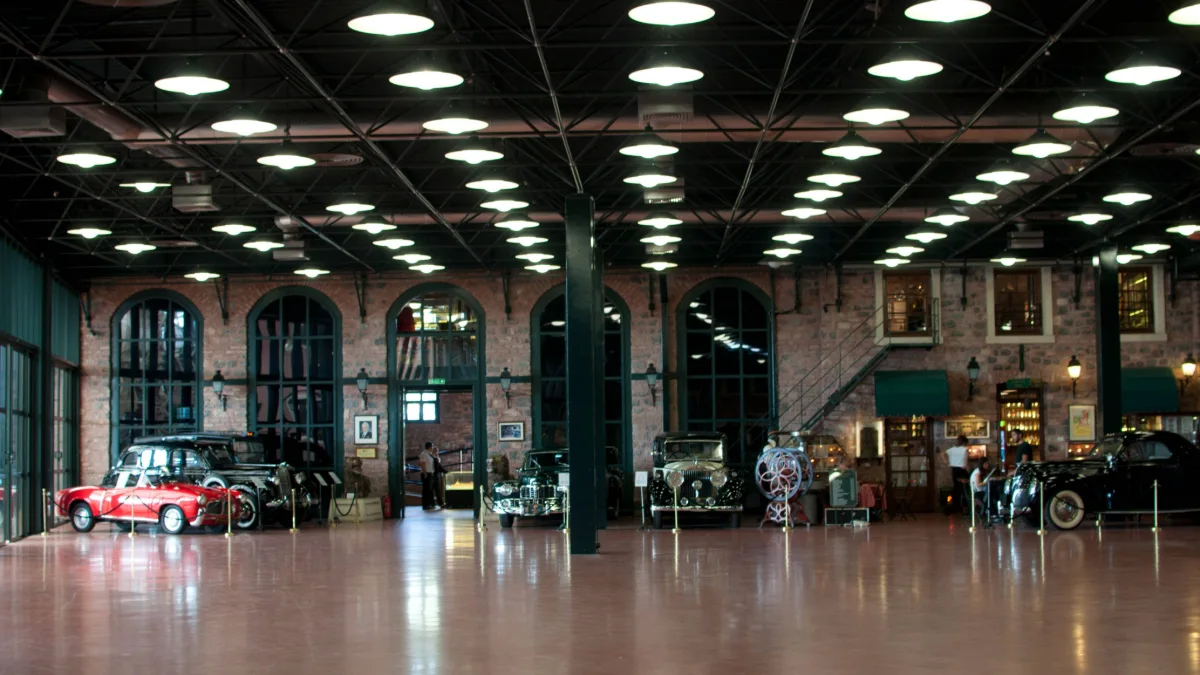
The Rahmi M. Koç Museum is an industrial and transport museum on Istanbul’s Golden Horn. It spans around 27,000 square meters and includes more than 14,000 objects displayed across the historic Lengerhane building, the Hasköy Shipyard, and open-air exhibition areas.
What makes it different from many traditional museums is its range. Rather than focusing on one civilization or period, it moves through the history of machines, mobility, invention, and everyday technology. Visitors encounter classic cars, railway pieces, maritime vessels, aircraft, scientific instruments, communication tools, toys, and reconstructed nostalgic shopfronts.
Why does it suit curious patients and slower-paced travelers?
The museum suits curious patients because it offers stimulation without pressure. Many visitors to Istanbul want cultural depth but may not feel ready for steep hills, dense crowds, or long city walks after surgery or treatment. The Rahmi M. Koç Museum offers a more measured experience, with broad thematic variety in one location and several places to rest during the visit.
Its setting also helps. The Golden Horn has a quieter rhythm than the busiest sections of Sultanahmet, and the museum’s campus-like layout creates a sense of breathing space. For international patients traveling with a companion or family member, it works well because different generations can enjoy it for different reasons: engineering, nostalgia, design, photography, transport history, or simply the pleasure of discovery.
What should you not miss inside the museum?
The standout exhibits are large, tactile, and memorable. Among the best-known highlights are the TCG Uluçalireis submarine; the historic Fenerbahçe Ferry; classic automobiles; vintage railway material; aircraft, including a Douglas DC-3; and open-air displays that extend towards the waterfront.
The museum’s atmosphere is also strong. The nostalgic streetscape and period-style displays make it feel more immersive than a conventional object-by-object museum. That is part of its appeal for recovering visitors: the experience is visual and engaging even if you choose to move slowly and keep the visit short.
Where is the museum, and how easy is it to reach?
The museum is in Hasköy, Beyoğlu, at Rahmi M. Koç Caddesi No: 3, 34445 Istanbul. It is typically open from Tuesday to Friday between 09:30 and 17:00, and on Saturday and Sunday between 10:00 and 18:00, while remaining closed on Mondays.
For many medical travelers staying in central Istanbul, the journey is manageable by taxi or private transfer. Arriving via the Golden Horn area can also make the day feel less clinical and more picturesque, if energy permits. This is one reason the museum fits naturally into the broader health tourism landscape of Istanbul: it offers a culturally rich outing without demanding the intensity of a full historic center itinerary.
Practical visit planning for international patients
The Rahmi M. Koç Museum ticket price is generally separate from the standard state museum system, so visitors should check the latest pricing and entry rules before going. Patients looking up terms such as Rahmi M. Koç Museum tickets, Rahmi M. Koç Museum ticket price, or Rahmi M. Koç Museum photos are usually researching whether the visit will be manageable, worthwhile, and visually captivating during a medical trip. In most cases, the answer is yes.
A few simple planning tips can make the experience more comfortable:
- Visit earlier in the day for a quieter pace
- Allow flexibility rather than trying to see every section
- Use cafés and seating points for regular breaks
- Choose this museum on a recovery day when you want culture without strain
Are there places to eat and rest on site?
Yes. The museum includes several on-site dining options, including Fenerbahçe Ferry Cafe, Halat Restaurant, and Cafe du Levant, giving visitors practical places to pause, have a light meal, or simply sit with a view after walking through the galleries.
That makes a real difference for international patients. A museum visit becomes far easier when it includes comfortable breaks, reliable facilities, and an environment that does not rush you from one room to the next.
How does it compare with other family-friendly museums in Istanbul?
The Rahmi M. Koç Museum stands apart from places such as Miniatürk Museum or Istanbul Toy Museum because its focus is broader and more interdisciplinary. It is not only for families with children, and it is not only for transport enthusiasts. It works equally well for adults who enjoy design, engineering, heritage buildings, photography, or the history of modern life.
That also helps explain why people searching for Istanbul transport museum or simply Rahmi M. Koç Museum often end up here. It offers one of the city’s most complete explorations of industrial heritage in a setting that feels both educational and deeply personal.
Conclusion
The Rahmi M. Koç Museum offers something unusually valuable in Istanbul: a cultural experience that feels substantial without being exhausting. For international patients, it can be an ideal outing during a longer stay, especially when recovery calls for calm, flexible activities rather than crowded sightseeing. Its industrial heritage, waterfront setting, and accessible rhythm make it one of the city’s most rewarding museums for thoughtful visitors.
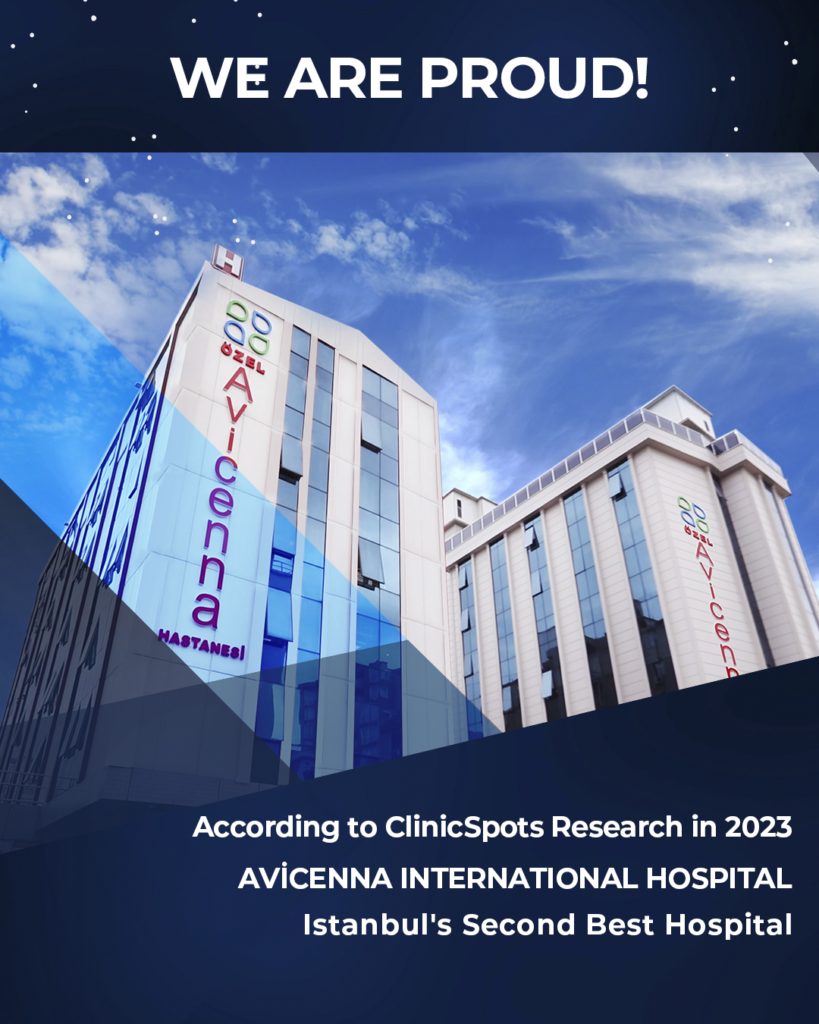
Within Istanbul’s wider medical travel landscape, this balance matters. Patients receiving care in respected institutions such as Avicenna International Hospital often want more from their trip than appointments alone. Combining advanced treatment with carefully chosen cultural experiences like the Rahmi M. Koç Museum can help make a healthcare journey feel more human, restorative, and meaningfully connected to the city.
Yes, it is worth visiting, especially if you enjoy transport, engineering, maritime history, or museums with large interactive objects. It is also a strong choice for travelers who want a quieter, more spacious cultural stop away from Istanbul’s busiest monuments.
Yes, the museum is generally open on most days of the week, but it is usually closed on Mondays. Visitors should still check current opening hours before planning a visit, especially around public holidays or seasonal periods.
In general, visitors should not assume that the standard state museum card applies here. Because entry policies may differ from government-run museums, it is best to confirm the latest ticketing rules directly before visiting.