
Istanbul is known around the world as one of the best places to go for health tourism. Every year, thousands of patients from other countries come to the city for advanced medical care. But hospitals and clinics aren’t the only places where people go for medical care. Many visitors also want to learn about the city’s culture in a calm and relaxing way while they are recovering. A Beylerbeyi Palace Tour is the perfect way to mix history, architecture, and peace along the Bosphorus.
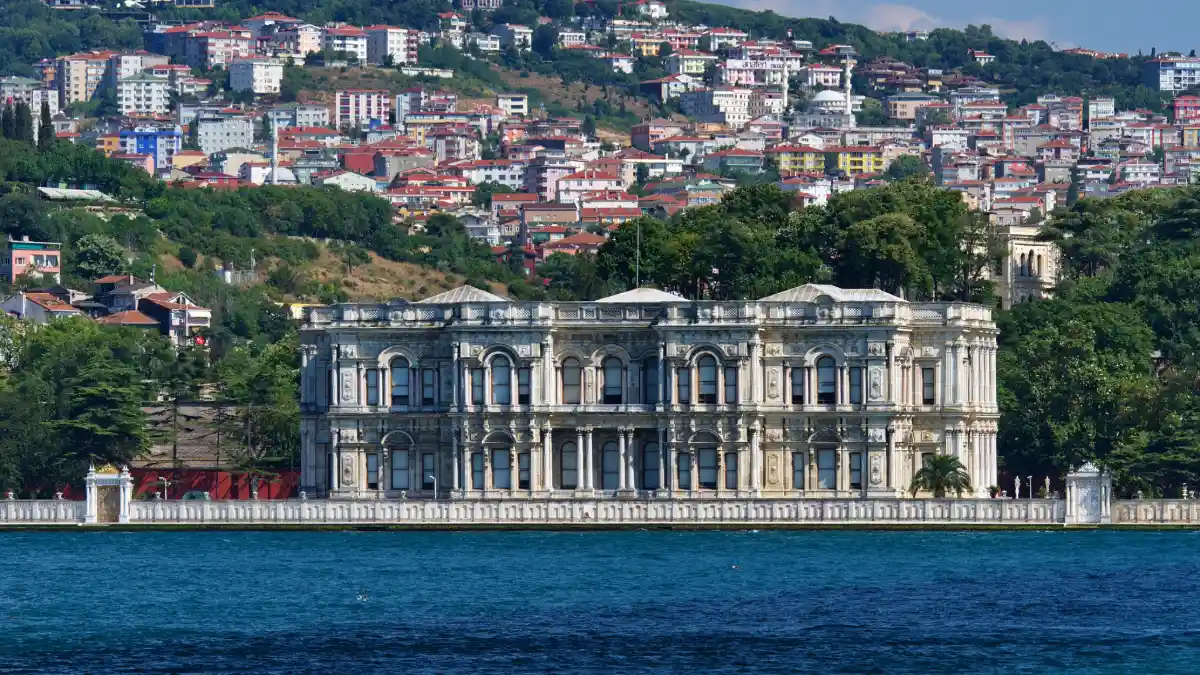
Beylerbeyi Palace is one of the most elegant imperial homes from the Ottoman era. It is on the Asian side of Istanbul, just below the Bosphorus Bridge. The palace was built as a summer getaway for the sultans. It has beautiful halls, peaceful gardens, and amazing views of the Bosphorus. This cultural trip is a peaceful and enriching experience for health tourists staying in Istanbul, especially those who are going to nearby medical centers.
The Ottoman Summer Palace on the Bosphorus
During the reign of Sultan Abdülaziz, Beylerbeyi Palace was built in the Beylerbeyi district of Üsküdar in the 1860s. The palace took the place of an earlier wooden house built by Sultan Mahmud II that had burned down.
“Beylerbeyi” means “Lord of Lords,” which was a title given to important provincial governors in the Ottoman Empire. The palace was right on the Bosphorus shoreline and served as both an imperial summer home and a fancy guesthouse for important visitors.
They picked the spot very carefully. The palace was a cool and relaxing place to escape the heat of Istanbul’s summers. It had fresh sea breezes and beautiful views of the water. This peaceful place still draws visitors who want to experience culture in a calm way, especially those who like to see the sights slowly while they’re in the city.
Royal Visitors and Historical Legacy
Beylerbeyi Palace quickly became a famous place for hosting royal guests and world leaders. Many important people stayed here while visiting Istanbul in the late Ottoman period.
Some of the palace’s most famous guests were:
- The Emperor of Austria-Hungary, Franz Joseph
- The wife of Napoleon III and Empress Eugénie of France
- The Shah of Persia
- Wallis Simpson and King Edward VIII
A famous story says that Empress Eugénie loved the windows of the palace so much that she had similar ones put in at the Tuileries Palace in Paris.
The palace also saw a darker time in Ottoman history. Sultan Abdülhamid II was forced to leave his throne and live in Beylerbeyi Palace for the last six years of his life, from 1912 to 1918. The building is now a museum that keeps the history of the last few decades of the empire alive.
Architectural Elegance: European Style with Ottoman Influence
The famous Ottoman architects Hagop Balyan and Sarkis Balyan designed Beylerbeyi Palace. They also worked on a number of other important imperial projects in Istanbul. The palace is built in the Second Empire style, which is a European-inspired style that became popular in the 1800s.
Beylerbeyi Palace is smaller than the famous Dolmabahçe Palace, but its refined elegance and well-balanced proportions still impress visitors.
Some important architectural features are:
- A beautiful white marble front that faces the Bosphorus
- Two beautiful bathing pavilions by the water
- Big reception halls that get a lot of natural light
- Beautiful balconies that look out over the strait
The palace has three main entrances, six big halls, and 24 rooms. They are all set up to be used for both royal living and hosting diplomats.
Luxurious Interiors and Artistic Details
Visitors to the palace find an amazing level of craftsmanship and decoration inside. The Ottoman court spared no expense when furnishing the house, mixing European luxury with Ottoman art.
Some of the most interesting things about the inside are:
- Crystal chandeliers brought in from Baccarat and Bohemia
- French clocks and candelabras that look nice
- Furniture made by hand and detailed wood carvings
- Collections of Chinese and Japanese porcelain
- Rich carpets made at the imperial Hereke factory
The reception hall with its marble pool and fountain is one of the most beautiful places. In Ottoman architecture, running water was often used to make the air cooler, and the sound of running water was relaxing when it was hot outside.
Visitors might also notice the palace’s maritime-themed art, which shows that Sultan Abdülaziz was interested in naval culture.
Gardens and Waterfront Relaxation
The gardens around Beylerbeyi Palace are just as beautiful as the inside. The grounds were carefully planned with magnolia trees, ornamental pools, and decorative pavilions to be peaceful places for the royals to relax.
Visitors to Beylerbeyi Palace can enjoy the following:
- Walking through beautiful gardens that face the Bosphorus
- Looking at old pavilions that the Ottoman court used
- Chilling out next to pretty fountains and shady paths
- Taking pictures of the Bosphorus and the hills around it
The area around the palace is also well known for its traditional Beylerbeyi breakfast culture, with local cafés and restaurants offering scenic waterfront dining. For health tourists, these quiet surroundings provide an ideal environment for light walks and gentle exploration during recovery.
What to Expect During a Beylerbeyi Palace Tour
Visitors exploring the palace today can join guided tours or use audio guides that explain the history, architecture, and royal life of the Ottoman period.
A typical tour of the Beylerbeyi Palace includes:
- Entrance to the palace museum without waiting in line
- Access to the harem section, guest rooms, and ceremonial halls
- Audio guides that give you information about history and culture
- It’s time to look around the gardens that look out over the Bosphorus.
The palace is usually open from 9:00 AM to 6:00 PM, and the last people can enter at 4:00 PM. It is closed most of the time on Mondays.
Some tours include a visit to the palace, along with other attractions, such as Çamlıca Hill, the highest point in Istanbul, which offers stunning views of the city and both Bosphorus bridges.
Why Health Tourists Include the Beylerbeyi Palace Tour in Their Stay
excellentPeople who travel to Istanbul for medical reasons often look for activities that combine treatment with relaxation. Beylerbeyi Palace and other historical sites are great places to go for a cultural activity that isn’t too hard on the body.
A tour of Beylerbeyi Palace is especially good for health tourists because it offers:
- A peaceful and beautiful spot by the Bosphorus
- A short and comfortable tour of the sights
- Lovely gardens that are great for short walks
- A look into Istanbul’s royal and cultural past
These traits make the palace a good place for patients and their families to stay if they want to see the city in a calm way.
Conclusion
Beylerbeyi Palace is still one of Istanbul’s most beautiful Ottoman buildings. It gives visitors a unique mix of history, architecture, and peace. The marble outside, the luxurious inside, and the peaceful gardens along the Bosphorus make for a cultural experience that is both elegant and calming.
For people from other countries who come to Istanbul for medical care, combining treatment with light sightseeing can make the trip even better. During their recovery time, a lot of patients who are staying in the city like to visit historical sites nearby. The city has a lot of cultural heritage, and places like Avicenna International Hospital, which welcomes patients from all over the world for advanced medical care, are located there. A Beylerbeyi Palace Tour is a wonderful way to remember your health tourism trip.
Yes, Beylerbeyi Palace is one of the most beautiful historic sites in Istanbul. Because of its location on the water, beautiful buildings, and fascinating Ottoman history, it is a wonderful place to learn about culture.
Most people spend 60 to 90 minutes looking around the palace’s gardens and interiors, making it a good place to visit for people who don’t have a lot of time.
The Beylerbeyi Palace is in the Üsküdar district on the Asian side of Istanbul. People can get there by taxi, bus, or organized tour from places like Sultanahmet, Taksim, or Üsküdar in the center of the city.