
The Galata Mevlevi House Museum offers one of Istanbul’s most distinctive cultural and spiritual experiences. Situated at the historic end of İstiklal Street, this former dervish lodge provides a rare opportunity to understand the philosophy of Sufism while witnessing the iconic Whirling Dervish ritual.
For international visitors, particularly those traveling for medical care, the museum presents a calm and reflective environment that contrasts beautifully with Istanbul’s vibrant urban energy.
What is the Galata Mevlevi House Museum?
The Galata Mevlevi House Museum is the oldest Mevlevi dervish lodge in Istanbul, established in 1491, and now preserved as a museum dedicated to the Mevlevi Sufi tradition.
Originally a place for spiritual practices, it later became a cultural center that shares the teachings of Mevlana Celaleddin Rumi, whose ideas about love, acceptance, and personal growth influenced the Mevlevi order.
Today, it stands as a refined example of Ottoman-era architecture and spiritual heritage, quietly positioned within the lively Beyoğlu district.
Why is the Galata Mevlevihanesi Important in Turkish Culture?
The Galata Mevlevihanesi is significant because it represents the spiritual and artistic heart of the Mevlevi order in Istanbul.
Beyond its architectural presence, the lodge played a central role in preserving Sufi music, poetry traditions, and spiritual training. It continues to serve as a bridge between historical heritage and contemporary cultural understanding.
What Can You See Inside the Museum?
The museum is carefully structured to reflect both the daily life and spiritual practices of the dervishes.
The Semahane (Ritual Hall)
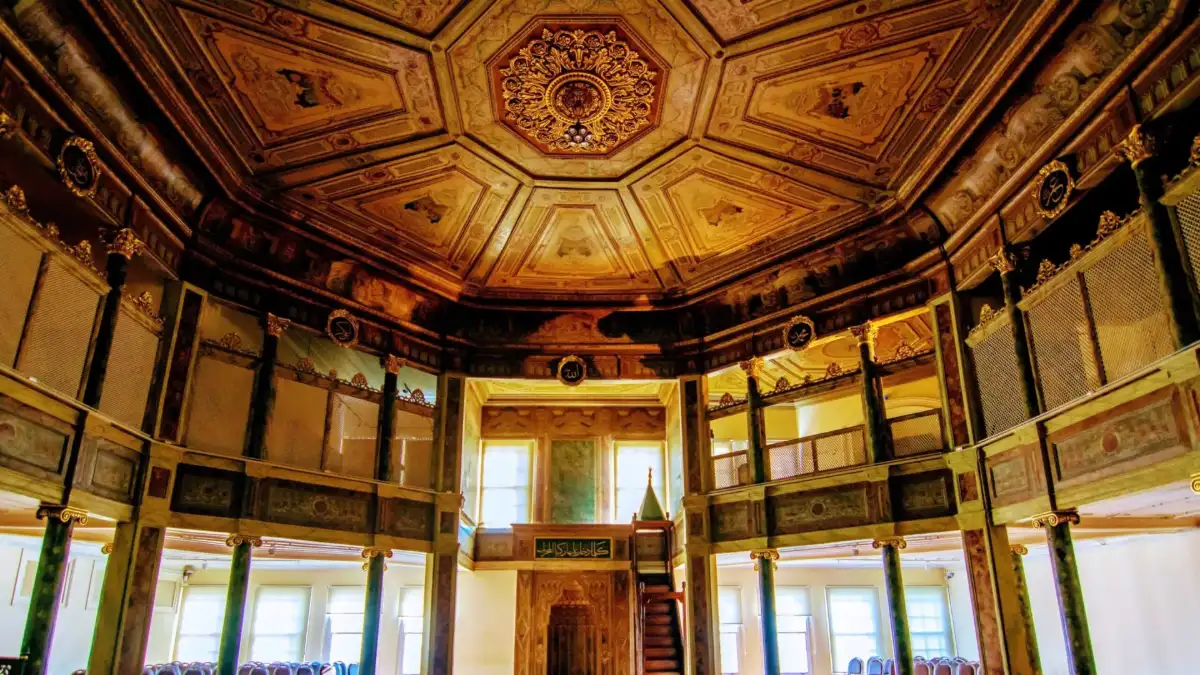
The semahane is the central ceremonial space where the Whirling Dervish ritual takes place. This hall, with its elegant wooden flooring and elevated galleries, was designed to create a harmonious setting for spiritual movement and music.
Dervish Living Quarters
The lower-level rooms reveal how dervishes lived, studied, and practiced discipline. These spaces display traditional garments, manuscripts, and personal objects reflecting a modest, contemplative lifestyle.
Sufi Art and Musical Heritage
The museum houses a rich collection of Ottoman-era cultural artifacts, including calligraphy panels, Turkish marbling art, and musical instruments such as the ney, essential to Sufi rituals.
Courtyard and Tombs
The tranquil courtyard contains several tombs of important Mevlevi figures, including Sheikh Galip. This peaceful garden offers a reflective pause, particularly appreciated by visitors seeking a calm atmosphere.
What is the Whirling Dervish Ceremony?
The Whirling Dervish ceremony, known as the Sema, is a spiritual ritual rather than a performance. It represents a symbolic journey of the soul towards truth and divine love.
Each movement carries meaning, combining music, rhythm, and motion into a deeply meditative experience that reflects balance between body, mind, and spirit.
Can You Watch a Whirling Dervish Performance at the Museum?
Yes, Whirling Dervish ceremonies are held at the museum, typically on Sundays at 18:00, though availability may vary.
These events require separate tickets and should be booked in advance due to limited seating. Attending a ceremony offers a uniquely calming and culturally enriching experience.
Practical Visitor Information
The museum is open Tuesday to Sunday between 09:00 and 18:30 and remains closed on Mondays.
Entry is approximately €7 for international visitors, and the museum is included in the Istanbul Museum Pass. The ticket office usually closes one hour before closing time.
Its central location makes it easy to combine with nearby attractions such as Galata Tower Museum and the Adam Mickiewicz Museum.
Is the Galata Mevlevi House Museum Suitable During Medical Travel?
Yes, the Galata Mevlevi House Museum is particularly suitable for patients seeking gentle, low-intensity cultural experiences during recovery.
The museum offers a quiet environment, manageable walking distances, and opportunities for seated observation, making it ideal for visitors who need a calm and restorative setting.
What Else Can You Explore Nearby?
The surrounding Beyoğlu area offers a blend of cultural and relaxing experiences, including small galleries, music shops, and quiet cafés that allow visitors to enjoy Istanbul at a comfortable pace.
Conclusion: A Cultural Pause Within Istanbul’s Medical Journey
The Galata Mevlevi House Museum provides more than a historical visit; it offers a moment of stillness and cultural depth within one of the world’s most dynamic cities.
For international patients traveling to Istanbul, combining medical care with meaningful cultural experiences can enhance both emotional well-being and recovery. Institutions such as Avicenna International Hospital are part of a broader healthcare ecosystem where advanced treatment is complemented by the city’s rich heritage and spiritual traditions.
A dervish lodge is a place where members of a Sufi order live, study, and perform spiritual practices. It functions as both a religious and cultural centre where teachings, music, and rituals are preserved.
The entrance fee is typically around €7 for foreign visitors. This may be included in the Istanbul Museum Pass, but Whirling Dervish ceremonies require separate tickets.
The most famous museum in Turkey is generally considered the Hagia Sophia due to its global historical and architectural significance. However, the Galata Mevlevi House Museum offers a more specialized and intimate cultural experience focused on Sufi heritage.