
When hip pain makes it hard to do everyday things like walk, sit, play sports, or even sleep comfortably, patients often look for a solution that works without having to undergo major surgery. Many patients in Turkey who want minimally invasive care for problems like impingement and labral injury are now getting hip arthroscopy. Many of our patients at Avicenna International Hospital have tried physiotherapy, changing their activities, and taking medication. However, they still have mechanical symptoms like clicking, catching, “giving way,” or stiffness that make their lives worse.
Key Points Patients Should Understand Before Hip arthroscopy in Turkey
Hip arthroscopy is a way to find and treat certain problems with the hip joint by making small cuts and using a camera to guide the procedure. For the right people, it can:
- Find the exact cause of hip pain better than just looking at the symptoms
- Get rid of loose pieces of bone or cartilage
- Fix or clean up a torn labrum
• Reshape uneven bone to treat femoroacetabular impingement (FAI) - Treat synovitis, which is an inflamed joint lining.
Arthroscopy is often done as a day-case procedure. However, depending on your health, the complexity of the repair, and how you get there, you may need to stay overnight.
What is Hip Arthroscopy?
In hip arthroscopy in Turkey, a surgeon makes a small cut in the hip joint and inserts an arthroscope, which is a thin camera. The monitor shows a live image that makes the cartilage, labrum, synovium, and other structures look bigger.
Because the hip is a deep ball-and-socket joint, the leg is usually pulled apart during surgery to make room inside the joint. Through one or more small openings, specialized tools are brought in to do things like labral repair, smoothing cartilage, getting rid of loose bodies, trimming bone growths, or fixing the bony shape that causes injury.
The Hip Joint in Brief
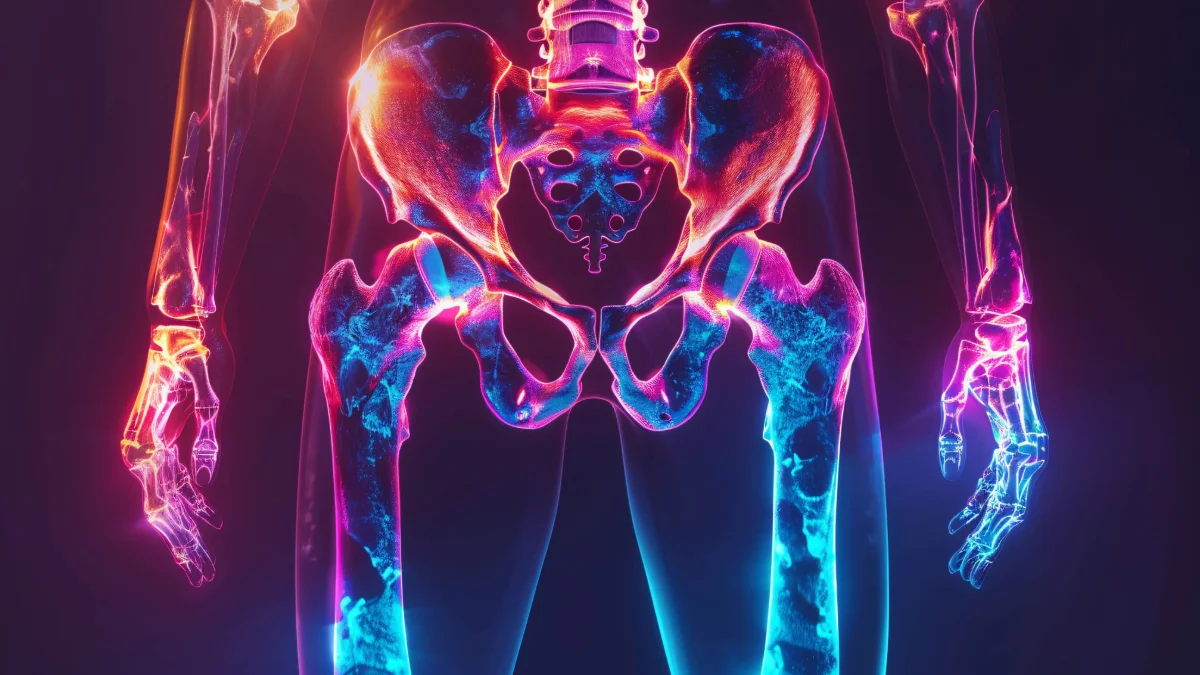
The hip joint is like a ball (the femoral head) that moves around in a socket (the acetabulum). The labrum, which is a ring of cartilage around the socket, helps seal the joint and make it more stable. Smooth cartilage reduces friction.
The joint may pinch during movement if the labrum tears, the cartilage sustains damage, or the bone’s shape becomes slightly irregular. This can cause pain in the groin or side of the hip. It can also limit movement and cause mechanical symptoms like locking or catching, especially in active people.
Who may Benefit from Hip Arthroscopy in Turkey?
When symptoms don’t go away with non-surgical care and imaging shows a structural problem that can be fixed, hip arthroscopy is usually the next step. Many good candidates are adults in their 20s or 30s who do not need a hip replacement.
Some common signs are:
- FAI / hip impingement (cam, pincer, or both)
- Tears in the hip labrum
- Pieces of bone or cartilage that are not connected to the joint
- Synovitis (inflammation of the joint lining)
- Chosen problems with tendons or ligaments around the hip
- Some snapping hip conditions when less aggressive treatments don’t work
When is Arthroscopy Not the Right Option?
Hip arthroscopy in Turkey is typically less efficacious in cases of established, advanced osteoarthritis or substantial irreversible cartilage loss. Some types of hip dysplasia may need more than just arthroscopy to fix. When weight makes it difficult for surgeons to get to the area they need to work on, they might suggest losing weight first. A BMI over 30 can make things more difficult and increase the likelihood of problems in many clinical settings.
How Effective is Hip Arthroscopy?
The results depend a lot on the diagnosis, the health of the cartilage, and the reason for the surgery. In carefully chosen patients, hip arthroscopy frequently enhances pain and function for several years, especially when impingement correction and labral repair are executed correctly. It is also important to be honest: a small number of patients get little benefit, and a small number may feel worse, especially if they already have arthritis or joint damage that can’t be fixed.
A thorough evaluation before surgery is therefore very important for success. This is one reason why many patients choose to have a specialist look at them before going to surgery abroad.
Preparing for Surgery
We usually go over the following before surgery:
- A thorough history of symptoms (where the pain is, what mechanical symptoms there are, and what activities are limited)
- Results of a physical exam (range of motion, impingement tests, and gait)
- Imaging tests like X-rays and MRIs (and sometimes CT scans for bone shape)
You will also meet with an anesthesia specialist to figure out the safest way to do things. Hip arthroscopy is usually done under general anesthesia, but regional or local techniques may also be used to help control pain after the surgery.
You should also get ready in a practical way. You’ll usually be told to fast, change your medications (especially blood thinners), stop smoking, and get help for the first few days after surgery.
What Happens During Arthroscopic Hip Surgery?
The steps in the process are usually the same, but the exact method may be different.
- Positioning and traction: The leg is put into a positioning system that gently separates the surfaces of the joints and makes it easier to get to them.
- Joint access: A needle is used to put fluid into the joint so that there is room and visibility.
- Inserting the camera: The arthroscope goes through a small opening and looks at the joint.
- Closure: The portals are closed with stitches or adhesive strips and covered.
The time it takes to do the procedure can vary a lot. It usually takes 1 to 2 hours, but it can take longer if a complicated repair is needed. - Treatment phase: More tools are brought in through more portals to fix or remove damaged tissue and deal with the root causes (for example, reshaping bone in FAI).
After Hip Arthroscopy in Turkey
Many patients can walk the same day with crutches, but whether or not they can bear weight depends on what was done inside the joint. A simple clean-up may let things move along faster, but procedures to fix the labrum or cartilage may need more protection.
Some common early instructions are:
- Using crutches to take some of the weight off the side that had surgery
- Keeping cuts clean and dry
- Taking the right amount of painkillers as directed (usually starting with simple pain relievers and anti-inflammatories when appropriate)
- Keeping an eye on swelling and bruising, which can happen normally around the groin, buttock, and thigh
We also plan around mobility, flight times, and ways to lower the risk of blood clots. This is important because international patients may travel soon after surgery.
Recovery and Rehabilitation
Recovery times are different for everyone, but most patients should expect a staged program instead of a quick fix.
- The first week or two are all about controlling pain, moving around safely, doing gentle range-of-motion exercises, and protecting repairs.
- Weeks 2–6: Physiotherapy usually includes more exercises to help restore movement patterns, hip stability, and controlled strengthening. An exercise bike is often added early on, at low resistance if recommended.
- 2–3 months: Many patients can walk more easily and do light daily tasks with fewer restrictions.
• 3–6 months: Going back to sports or heavy work is different for each person; it may take longer to reach higher-level athletic goals.
In the early stages, especially the first 6–8 weeks, it is usually best to avoid standing on rough surfaces for long periods of time, lifting heavy things, deep squatting, and high-impact sports unless your surgeon and physiotherapist tell you otherwise.
Risks and Possible Complications
Most people think that hip arthroscopy is less risky than open surgery, but it still has risks. Some important groups are:
- Infection (usually not common, but sometimes needs antibiotics or more treatment)
- Blood clots (rare but serious; to avoid them, you might need to wear stockings and take blood-thinning medicine)
- Nerve irritation or numbness, which can be caused by traction and is usually short-lived but can last longer at times
• Bleeding, swelling, and bruising around the portal sites - If the underlying degeneration worsens, the symptoms may persist or necessitate additional procedures.
If the pain gets worse quickly, the wound gets more red or swollen, you get a fever, or your calves swell up or you have trouble breathing, you should see a doctor right away.
Conclusion
Hip arthroscopy in Turkey can be a beneficial choice for certain patients with mechanical hip pain, especially if conditions like FAI and labral tears are treated before arthritis gets worse. The most critical factors are a correct diagnosis, a good reason for surgery, and a structured rehabilitation plan that helps the joint work well for a long time.
At Avicenna International Hospital, we think about the whole process of hip arthroscopy, from imaging-led assessment and anesthesia planning to postoperative physiotherapy guidance. This way, patients who come to Turkey can make choices based on clear information, safety, and realistic expectations.
Costs depend on how long you need to stay in the hospital. Whether you require labral repair, impingement correction, cartilage work, or planning for post-surgery rehabilitation, the cost will vary. A good estimate usually comes after looking at the images and making plans for the surgery, not from a generic price list.
Many international patients plan to spend some time in the country before their surgery for preoperative assessment, the surgery itself, and an early postoperative review. The duration depends on how well you can walk, how safe it is to travel, and how long it takes to heal.
Most patients are able to move around with crutches very soon after surgery, sometimes even the same day. Your surgeon’s protection protocol and what was fixed will determine how much weight you can bear and how quickly you can walk without aids. Labral and cartilage procedures usually require a slower progression.