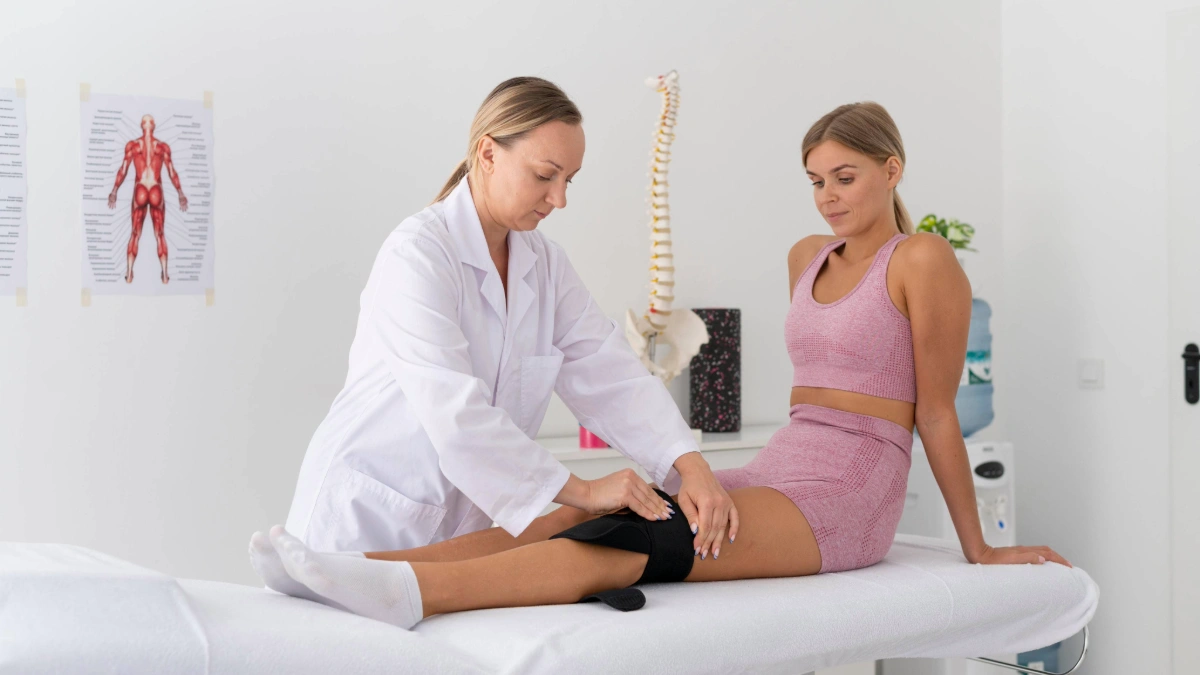

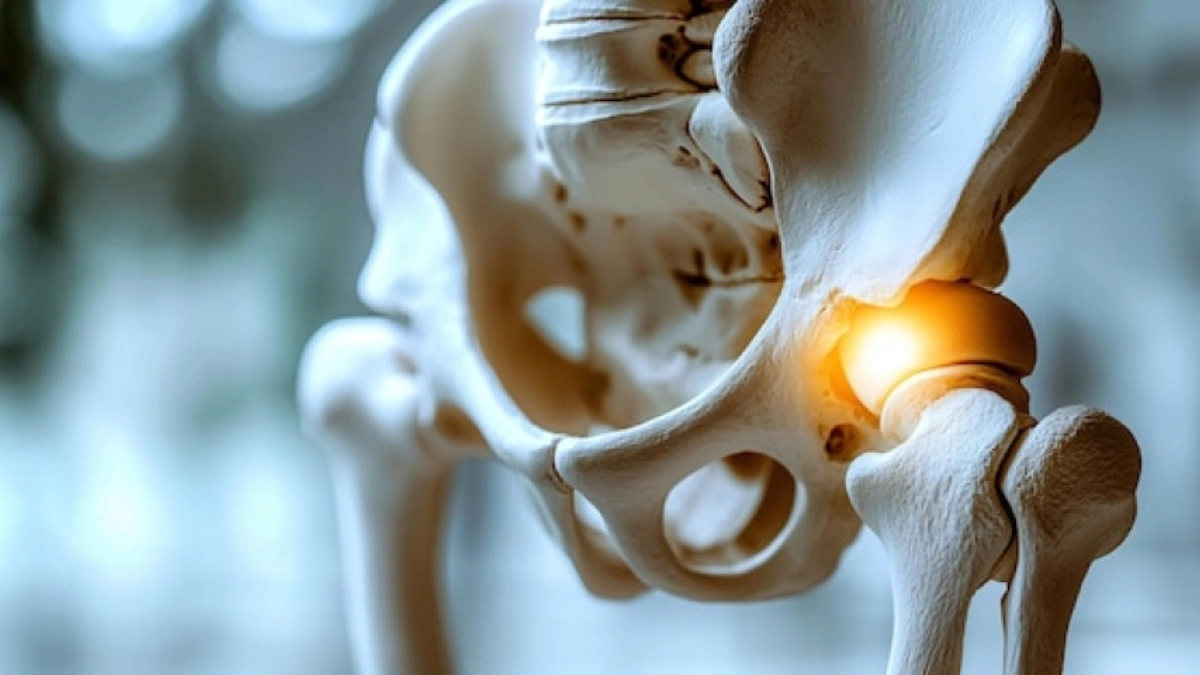
Turkey has become a trusted destination for advanced orthopedic procedures, including hip resurfacing, thanks to experienced surgeons, modern hospitals, and structured rehabilitation programs. For patients considering treatment abroad, understanding the hip resurfacing recovery timeline in Turkey is essential for setting realistic expectations, planning travel, organizing time off work, and preparing for long-term rehabilitation.
Hip resurfacing, a procedure that preserves bone, offers an alternative to total hip replacement, particularly for younger, physically active patients possessing high bone density. While outcomes vary depending on health, fitness, and adherence to rehabilitation, most patients follow a predictable recovery pathway combining early mobilization, progressive physiotherapy, and gradual return to normal activity.
What to Expect Immediately After Hip Resurfacing Surgery
In the first 24 to 72 hours after hip resurfacing surgery, the focus of recovery is on pain management, wound care, and safe movement. Patients can feel sore and stiff, yet current pain management techniques, such as prescribed medications, NSAIDs when suitable, and acetaminophen, are designed to help maintain comfort.
Surgeons in Turkey often advise patients to start standing and walking within a day of the procedure, utilizing crutches or a walker. This early movement is beneficial for circulation, minimizes the likelihood of blood clots, and helps prevent joint stiffness.
- Early physiotherapy involves:
- Ankle pumps, designed to get the blood circulating.
- Quadriceps sets, where you press the knee down.
- Gluteal squeezes.
- Gentle heel slides, which might be a bit tricky at first.
When you’re ready to go home, you can walk a few hundred feet using crutches, get in and out of bed, handle stairs, and take care of everyday activities without too much trouble.
Weeks 1-3: Early Mobility and Home Rehabilitation
In the first two to three weeks, rehabilitation is planned either through physiotherapy at home or guided self-exercise. Patients are usually advised to use two crutches for about three weeks. After that, they can switch to one crutch or a cane, which is held on the side opposite the hip that had surgery. Those who have had hip resurfacing on both sides may need to use two crutches for a longer time.
beEarly exercises should be performed in multiple sets throughout the day and may include:
- Ankle pumps
- Quad sets
- Gluteal squeezes
- Heel slides
- Knee extensions
- Gentle leg lifts
- Hip abduction movements
Patients are advised to walk two to three times each day, slowly increasing the distance. A general guideline is that many individuals can manage a mile in one go by the two-week mark after their operation. Heavy lifting, anything over roughly 20 pounds, and walking more than five miles daily are usually off-limits until the surgeon gives the go-ahead.
Stationary cycling, without any added resistance, is frequently suggested as soon as patients can comfortably get on the bike; this helps to bring back hip mobility. If the incision site is clean and dry, swimming might be possible around two and a half weeks after the surgery. The breaststroke is especially good for regaining hip range of motion.
Unlike total hip replacement, hip resurfacing procedures often don’t require strict hip precautions. This allows patients to use their hip joint normally in daily activities, which helps them regain movement. Gentle stretching, like reaching toward the feet and crossing the legs, can begin when the patient feels comfortable.
Weeks 3-6: Strength, Stability, and Functional Progress
Between the third and sixth weeks, a majority of patients experience diminished pain and enhanced mobility. Rehabilitation protocols then focus on fortifying the musculature surrounding the hip joint, augmenting balance, and reinstating a more natural gait.
Later-stage exercises may include:
- Standing and side-lying hip abduction
- Hip extensions in standing
- Limited straight leg raises (without added weights)
- Controlled stretching to improve flexibility
At this point, patients frequently demonstrate increased walking capabilities, greater autonomy in their domestic environments, and improved ease in performing routine activities, including dressing, ascending stairs, and engaging in light household chores.
Numerous individuals are able to resume their typical daily routines and desk-based employment approximately six weeks post-surgery, although those with physically demanding jobs may necessitate an extended period of recuperation.
Weeks 6-12: Return to Exercise and Daily Activity
From six to twelve weeks after hip resurfacing surgery, patients typically begin reintroducing structured low-impact exercise. Gentle cardiovascular activities such as stationary cycling, swimming, and controlled gym workouts are commonly recommended.
Most patients can resume gentle exercise during this window, but repetitive impact activities—including running, jumping, tennis, or twisting sports—are generally avoided for at least 12 weeks to allow the joint to stabilize fully.
Driving is usually considered safe around three to four weeks post-surgery, provided the patient feels confident and can perform an emergency stop. Early driving with a companion is often recommended to build confidence.
During this phase, physiotherapy focuses on:
- Improving hip flexibility and strength
- Enhancing coordination and gait
- Supporting endurance for longer walks and stairs
- Correcting posture and movement patterns
Months 3-6: Functional Recovery and Activity Expansion
Within a three-month period, many patients demonstrate significant enhancements in hip functionality and self-reliance. Rehabilitation protocols evolve to include more intense strengthening exercises, resistance training, stationary cycling, and supervised walking regimens.
Depending on the rate of recovery and medical recommendations, low-impact activities like swimming, cycling, and controlled jogging may be incorporated. The primary focus continues to be on maintaining muscular stability around the hip joint, augmenting flexibility, and enhancing healthy body mechanics.
Consequently, patients at this stage experience a resurgence of confidence in their daily movements and return to their hobbies or physical activities with reduced limitations.
Months 6-12: Long-Term Recovery and Performance Optimisation
The last phase of rehabilitation typically extends from six months to a year post-surgery. Throughout this period, individuals persist in enhancing their strength, coordination, and overall movement proficiency. The return of more demanding athletic sports may occur for some, dependent on bone strength, personal activity goals, and the recommendation of the surgical team.
Ongoing physiotherapy sessions may focus on:
- Addressing any remaining weaknesses
- Fine-tuning gait and posture
- Supporting full return to physical and recreational activities
Subsequent to the initial year, the lasting well-being of the hip joint necessitates consistent physical activity, effective weight control, and regular medical assessments to ensure ongoing joint functionality and resilience.
Pain Management Throughout Hip resurfacing recovery in Turkey
Pain is often at its worst during the initial weeks, then starts to fade. Surgeons usually suggest a personalized approach, using prescription drugs, NSAIDs if suitable, and acetaminophen. Patients should stick to the dosage instructions and let their doctors know if the pain doesn’t go away or gets worse.
As the body recovers, the pain often shifts to muscle soreness related to rehabilitation. This can be handled with rest, stretching, and slowly increasing the intensity of exercises.
Why Physical Therapy and Muscle Strengthening Matter
Physical therapy plays a vital role in a successful recovery from hip resurfacing. Right from the start, it helps get the blood flowing, minimizes swelling, and encourages safe movement. As you heal, the exercises are designed to get your mobility back, improve your balance, and build up the muscles that keep your hip steady.
Strengthening surrounding muscles helps:
- Rebuild weakened muscle groups
- Improve joint stability
- Reduce strain on the hip
- Support posture and movement efficiency
- Extend the longevity of the resurfaced joint
Therapists also offer personalized guidance on how to move safely, make changes at home, and avoid getting hurt again, which can really help you feel more secure as you recover.
Factors That Influence Hip Resurfacing Recovery Time in Turkey
Recovery timelines vary depending on:
- Age and physical fitness
- Bone density and overall health
- Smoking status and body weight
- Surgical technique and complexity
- Adherence to rehabilitation and exercise plans
Consequently, younger, physically active individuals possessing robust bone density frequently experience accelerated recovery, whereas those with pre-existing health issues or occupations involving physical strain may necessitate extended rehabilitation periods.
Who Is Suitable for Hip Resurfacing?
Hip resurfacing is usually most appropriate for younger, physically active men who desire to resume intense physical activity. Its use is less frequently advised for female patients, primarily because of an elevated risk of adverse metal-on-metal reactions.
Candidates for this procedure are generally those experiencing chronic hip pain that impacts daily activities, sleep, or exercise and who possess robust bone quality without a substantial risk of osteoporosis. Prior to recommending this surgery, surgeons evaluate several factors, including age, weight, smoking habits, steroid usage, and overall health status.
Conclusion
Hip resurfacing recovery in Turkey consists of progressive stages, from early assisted walking to full return to active living, supported by structured physiotherapy and long-term strengthening. Hospitals like Avicenna International Hospital play an important role in this process by providing planned surgical care, individualized rehabilitation programs, and continuous follow-up that supports patients throughout every phase of recovery. A clear understanding of this timeline helps patients plan effectively, commit to rehabilitation, and maximize surgical outcomes.
Depending on factors like age, activity level, implant material, and surgical technique, the majority of hip resurfacing implants last 15 to 25 years or more.
After 2-6 weeks, once you have good leg control, little pain, and are off of strong painkillers, driving is usually safe.
In four to six weeks, many patients resume their desk jobs. Depending on their strength, mobility, and job requirements, people in physically demanding roles might require more time.
Keep your hips higher than your knees, sit in a firm, upright chair, stay away from low or deep seats, and refrain from crossing your legs or bending too far forward.