
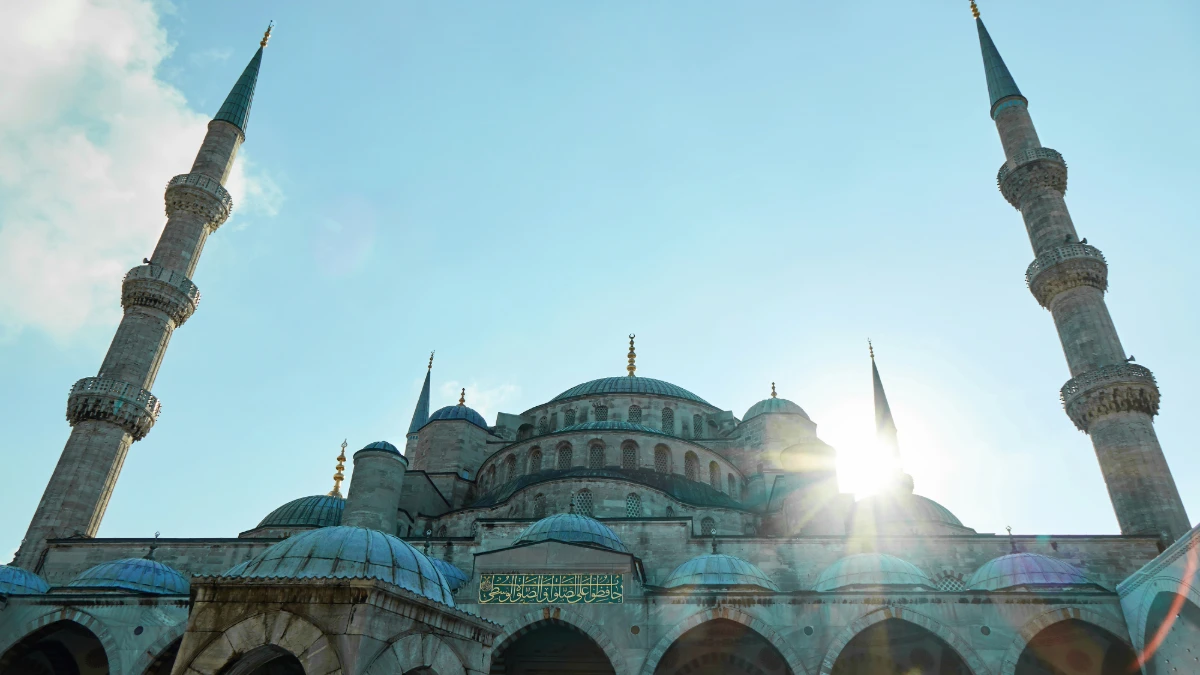
For many international patients who come to Turkey, combining medical care with learning about the culture is an important part of the trip. The Blue Mosque in Istanbul, also called the Sultan Ahmed Mosque, is one of the city’s most famous landmarks. It has beautiful architecture and a peaceful, reflective space that is perfect for recovery and well-being.
This amazing building is more than just a tourist attraction. It’s located in the historic center of Istanbul. It is a place of worship, a symbol of Ottoman culture, and a peaceful place where health tourists often feel grounded and inspired during their stay.
A Monument of Ottoman Vision and Spiritual Purpose
The Blue Mosque, which Sultan Ahmed I built in the early 17th century, is a bold statement in both architecture and religion. Unlike earlier imperial mosques funded by military victories, the state treasury directly financed this project. This approach made it a very personal legacy for the Sultan.
The mosque was built between 1609 and 1617 and was meant to be as grand as other historical sites nearby. It was put there on purpose, across from Hagia Sophia, to create a strong visual and symbolic conversation between two great cultures.
For health tourists, knowing this background makes the trip more meaningful. It turns a simple stop to see the sights into a meaningful cultural experience that makes the whole trip to Istanbul better.
Architectural Distinction
The Hallmark Design of an Empire
The Blue Mosque in Istanbul is widely considered to be the best example of classical Ottoman architecture, combining traditional Islamic design with Byzantine elements. The cascading domes and semi-domes of this building are a wonderful example of this synthesis. They make the skyline look balanced and harmonious.
The mosque has six minarets, which is unusual and controversial because this number was once reserved for the holiest mosque in Mecca. This brave design choice shows both ambition and creativity.
Four huge pillars that look like elephant feet support the structure from the inside. They make sure that the central dome, which is very tall, stays stable.
Interior Atmosphere and Artistic Detail
What truly defines the Blue Mosque is its interior. Over 20,000 handmade İznik tiles, predominantly in shades of blue, create a tranquil and almost ethereal ambience. These tiles feature intricate floral patterns, tulips, and geometric motifs, reflecting both artistic mastery and spiritual symbolism.
More than 200 stained glass windows allow natural light to filter through, enhancing the calming atmosphere. For patients visiting Istanbul for treatment, this peaceful environment can offer a moment of mental rest—something particularly valuable during recovery.
The Surrounding Heritage
Discovering the Historic Peninsula
Sultanahmet Square is home to the Blue Mosque. This area is full of historical and cultural sites. Visitors can walk to see:
- The Hagia Sophia
- The old Hippodrome
- The Palace of Topkapi
This concentration of historical sites lets health tourists see Istanbul’s heritage without having to travel a lot, which is excellent for people who can’t move around much or who are recovering from an illness.
A Setting Designed for Reflection
The mosque complex has a courtyard, a fountain for washing up, a madrasa, and the grave of Sultan Ahmed I. The open spaces and symmetrical buildings make it feel calm, so it’s a good place to explore gently instead of going on a physically demanding trip.
Visiting the Blue Mosque Istanbul: Practical Guidance for Health Tourists
Opening Hours and Best Visiting Times
The mosque is open every day, but the hours change with the seasons:
• Summer (April to September): 8:30 AM to 7:00 PM
- In the winter (October to March), it is open from 8:30 AM to 5:00 PM.
It closes five times a day for prayers and is closed on Friday mornings until early afternoon.
We suggest going to the following places for a more comfortable experience:
- Weekdays in the middle of the morning
• Late afternoons, from Tuesday to Thursday
If you want a quieter place, stay away from the busiest summer months and weekends.
Accessibility and Comfort Considerations
Health tourists should know:
- Security checks, which could mean having to wait
- The need to take off shoes before entering
- Dress modestly (scarves are available if needed)
Planning shorter visits and avoiding busy times can make a big difference in comfort for people who are recovering from surgery.
Cultural Etiquette and Patient-Friendly Tips
Respecting a Living Place of Worship
The Blue Mosque is an active mosque, so visitors must follow certain rules:
- Wear clothes that cover your knees and shoulders.
- Women should wear hats or scarves over their hair
- Be quiet and polite at all times
Knowing these rules will make your visit go smoothly and respectfully.
Practical Tips for a Relaxed Visit
- Visit early in the day to avoid long lines
• Drink plenty of water, especially in the summer.
- Use the seating areas in the courtyard
- To cut down on travel time, combine your visit with other things to do nearby.
These little things can make a big difference, especially for people who are trying to recover from an illness while also seeing the sights.
Unique Features and Lesser-Known Details
There are many interesting details in the Blue Mosque in Istanbul that people often miss:
• The famous blue color comes from thousands of İznik tiles, not paint.
- Chandeliers used to have ostrich eggs in them to keep spiderwebs away.
- Because of fixed pricing policies, some tiles used in later construction phases are not all the same quality.
• The mosque’s design includes more than 50 tulip patterns, which are a symbol that is very important in Ottoman culture.
These details show how complicated and attractive the building is, giving visitors a deeper appreciation of its art.
Seasonal Experiences and Evening Ambience
In the summer, the area around the Blue Mosque has light and sound shows at night. These events give the monument a new life by making it visually interesting without requiring a lot of physical effort.
Evening visits can be especially appealing to health tourists because the weather is cooler and the pace is slower.
Integrating Culture and Care in Istanbul
A visit to the Blue Mosque in Istanbul is more than a cultural excursion—it is an opportunity to engage with history, architecture, and spirituality in a setting that naturally complements healing and reflection.
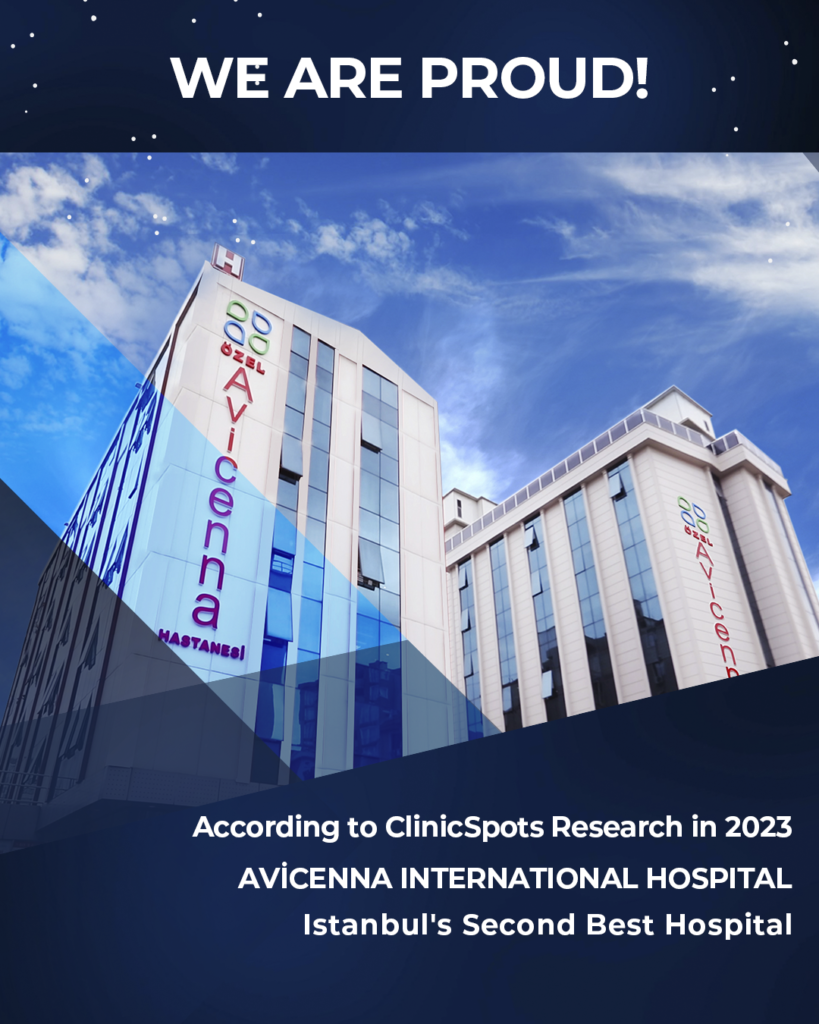
Hospitals like Avicenna International Hospital in Istanbul often encourage international patients to take a balanced approach to their recovery. Visiting nearby landmarks like the Blue Mosque is a great way to get some exercise and learn more about the culture and history of the area. This is a great way to improve the overall treatment journey.
The best times are mid-morning or late afternoon on weekdays, especially Tuesday to Thursday, when there are fewer people and the atmosphere is more peaceful.
Yes, as long as visits are planned well. The site has easy-to-reach paths and a calm atmosphere, but it’s best to stay away from busy times and take breaks.
Yes. You must wear modest clothes. Women should cover their hair, and both men and women should wear clothes that cover their knees and shoulders.