
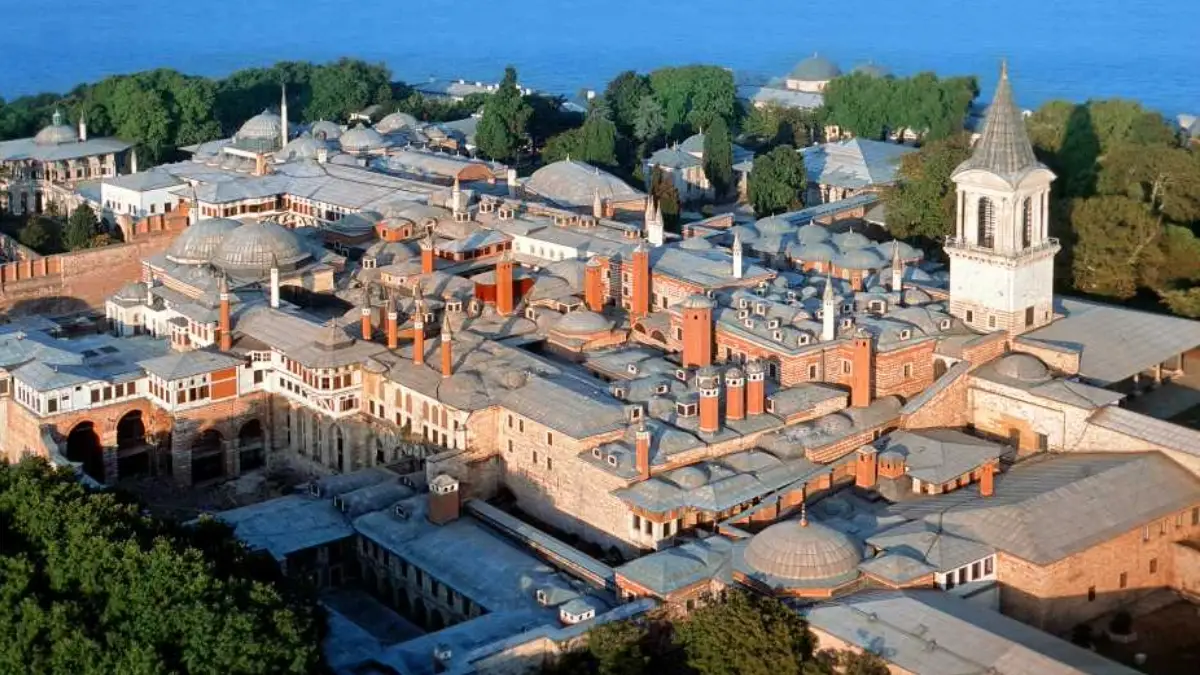
Patients who come to Istanbul for medical care can improve their recovery and overall health by balancing treatment with gentle cultural exploration. A trip to Topkapi Palace in Istanbul is one of the most rewarding and manageable things you can do. It’s a historic site with a peaceful, open-air setting and centuries of Ottoman heritage.
This former imperial residence is on the historic peninsula that looks out over the Bosphorus and the Sea of Marmara. It offers a unique way to experience Istanbul’s past without having to do a lot of physical activity. Patients at Avicenna Hospital can comfortably explore the palace at their pace if they plan. They can enjoy both its peaceful courtyards and its amazing collections.
The Historical Importance of the Ottoman Imperial Residence
For almost 400 years, Topkapi Palace was the political and residential center of the Ottoman Empire. Built soon after the conquest of Constantinople in 1453, it served as both a royal residence and the administrative center where decisions about the state affected large areas.
This complex is different from European palaces because it has many courtyards, pavilions, and rooms spread out over a large area. Patients will find this layout helpful because it allows them to explore slowly and take breaks.
Today, the palace is a museum complex that attracts millions of visitors each year. The museum complex showcases imperial collections, architectural masterpieces, and cultural stories that generations have passed down.
Navigating the Palace Grounds with Ease
Entering Through the Imperial Gate and First Courtyard
The Imperial Gate is where visitors start their journey. It leads to the First Court, which is also called the Parade Court. This large, tree-lined area is perfect for patients because it is quiet and has no steep walking.
Some important landmarks in this area are:
- Hagia Irene, a Byzantine church that has been kept in good condition
- The old Imperial Mint
- Open green spaces where people can relax
This part of Topkapi Palace in Istanbul is simple to get to because the ground is flat.
The Second Courtyard: Administrative Heart of the Empire
Passing through the Gate of Salutation, visitors reach the Second Court, where the empire’s administrative affairs once took place. The landscaped setting resembles a peaceful park, offering shaded walking paths and seating opportunities.
Key highlights include:
• The Imperial Council Chamber, where state matters were discussed
• The Palace Kitchens, once serving thousands daily
• The Outer Treasury displaying arms and armour
For patients, this area offers a balanced mix of cultural insight and manageable walking distances.
Discovering the Harem: Private Life of the Ottoman Court
The Harem section shows what the sultan’s family and court are like in private. Contrary to what most people think, it was a very organized place with strict rules and a clear chain of command.
This area has:
- The Valide Sultan’s (queen mother’s) apartments
- Hallways and rooms with fancy tiles
- Courtyards that concubines and members of the royal family used
Patients should know that getting in requires a separate ticket and involves walking through narrow hallways and up some stairs. But for those who can go, it gives one of the most in-depth looks at life in the palace.
The Third Courtyard and Sacred Collections
The Third Court is where you enter the sultan’s private area. The Gate of Felicity is the entrance, which leads to more private and historically important areas.
Some of the best parts are:
- The Audience Chamber, where ambassadors were welcomed
- Ahmed III’s Library
• Sacred safekeeping rooms that hold holy religious artifacts
This part is usually quieter, which makes it a beneficial place for patients who want to think and be alone.
Treasury and Architectural Highlights
The Imperial Treasury is one of the most interesting parts of Topkapi Palace in Istanbul. It has amazing artifacts made of precious metals and stones.
Some of the most important pieces are:
- The famous Topkapi Dagger with emeralds on it
- The Spoonmaker’s Diamond is an 86-carat stone.
• Royal jewelry and ceremonial thrones
Patients may want to take their time and rest between galleries because these exhibits are inside.
Fourth Courtyard: Panoramic Views and Relaxation Areas
The Fourth Court is one of the most peaceful and beautiful parts of the palace. High terraces give you a wide view of Istanbul, including the Bosphorus and Golden Horn.
This part has:
- Kiosks like the Baghdad and Revan kiosks that are pretty
- Gardens and terraces made of marble
• Quiet places to sit and relax
This is often the best part of the visit for patients because they get to be outside and not have to do much physical work.
Practical Visiting Advice for Patients
When planning a medical trip to Topkapi Palace in Istanbul, there are a few things you can do to make your stay more comfortable:
- The best time to go is in the early morning when there aren’t many people.
- Average length of visit: 90 to 120 minutes
- Getting there: Tram line T1 makes it easy to get there, and then it’s a short walk.
- Accessibility: Some places have cobblestones and slopes, so you need supportive shoes.
- Facilities: There are rest areas, but there are no wheelchairs on site.
Patients who are recovering from procedures should think about breaking up their visit into shorter parts or focusing on important areas like the courtyards and terraces.
Why Topkapi Palace is Suitable for Medical Tourists
Topkapi Palace is a unique place that has a lot of culture and is easy to explore. It is especially good for people who are recovering from treatment because it has an open layout, natural scenery, and different pacing options.
Instead of a physically demanding trip, it lets people learn about history in a calm, relaxing setting that is perfect for international patients in Istanbul.
Conclusion
A trip to Topkapi Palace in Istanbul gives you more than just a look at history; it also gives you a gentle, immersive experience that helps you heal. Patients can enjoy one of Istanbul’s most famous landmarks without sacrificing comfort or recovery if they plan ahead.
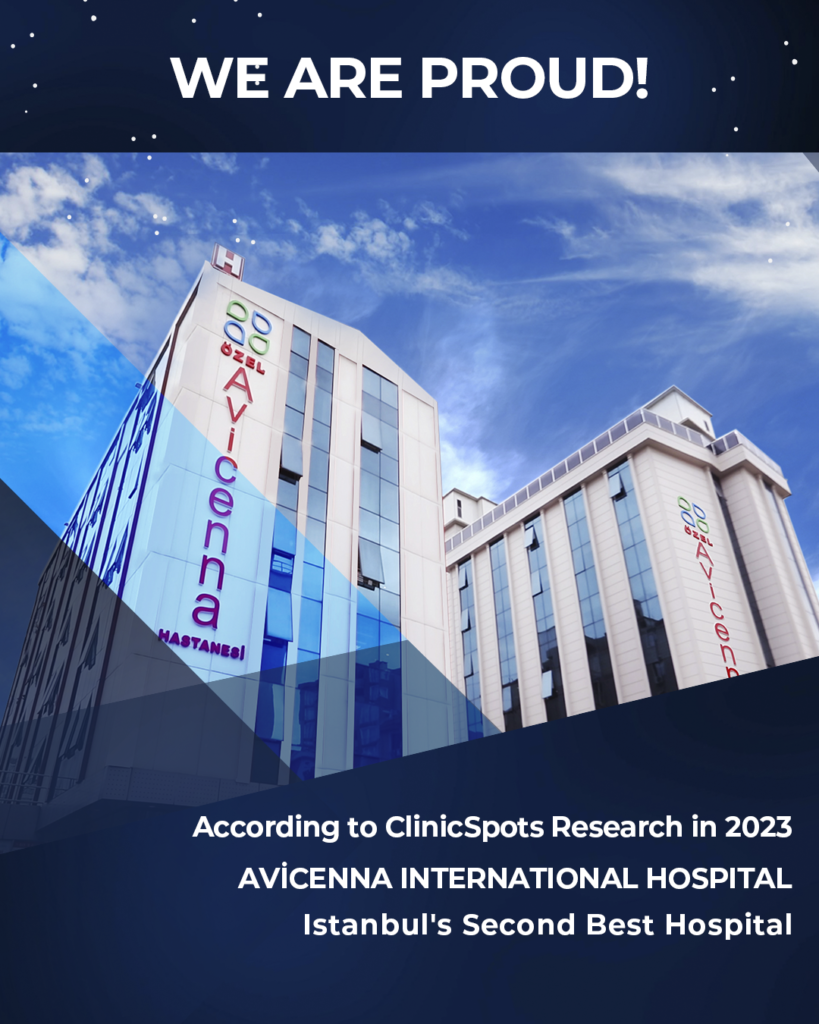
At Avicenna International Hospital, we know how important it is to combine health with cultural growth. Visitors can safely visit nearby attractions like Topkapi Palace thanks to our location and patient support services. This makes their time in Istanbul both medically successful and personally rewarding.
Early morning is best because there are fewer people and the mood is calmer, which is especially good for patients.
Most people stay for 1.5 to 2 hours. Patients might like shorter visits that focus on certain courtyards.
Some areas are easy to get to, but uneven ground and slopes can be hard to deal with. It is best to plan a short route and take breaks often.