
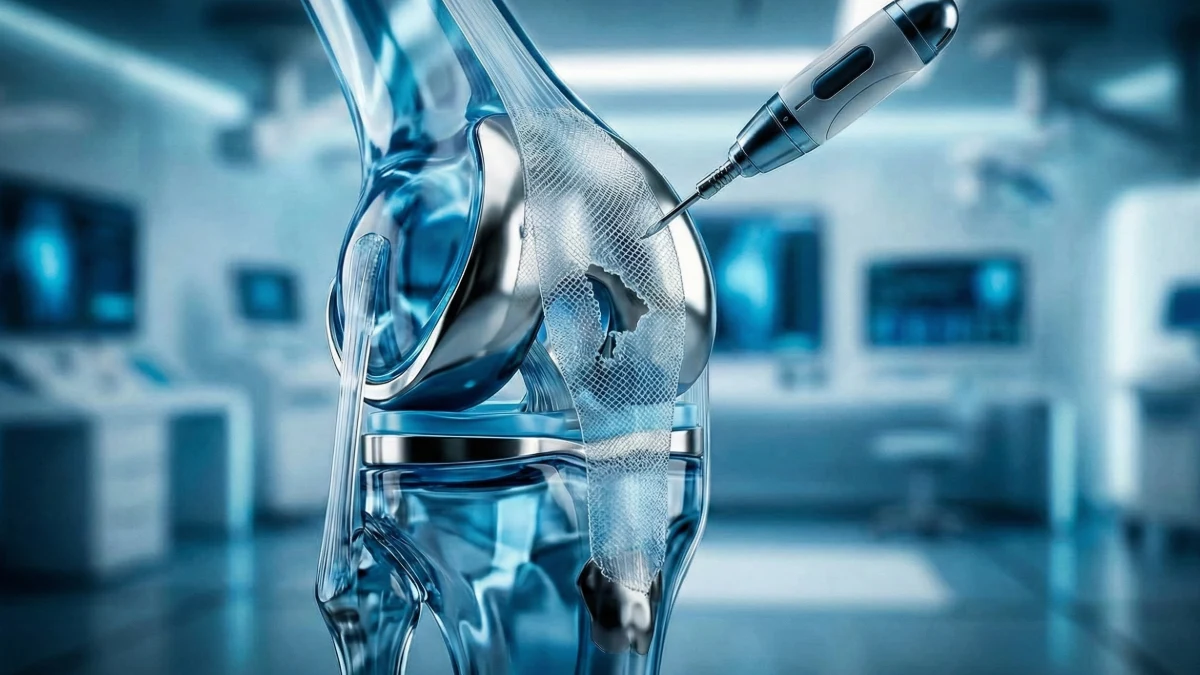
Knee cartilage damage can seriously impact how we move, perform, and enjoy life. It can happen from sports accidents, the wear and tear of aging, past injuries, or inflammatory diseases. The result is often pain, swelling, stiffness, and an increased chance of developing osteoarthritis. Given cartilage’s limited self-repair capabilities, modern orthopedics has developed a range of specialized treatments aimed at fixing, regenerating, or replacing damaged tissue, including advanced options like Knee Cartilage Repair in Turkey.
Turkey has quickly become as a top destination for advanced orthopedic care like Knee cartilage repair. These methods, whether by stimulating new growth or using innovative transplantation techniques, seek to prevent arthritis and help patients return to active lifestyles.
Knee Cartilage and Its Role in Joint Function
Healthy cartilage supports shock absorption, joint stability, and fluid motion; when cartilage is damaged, the joint surface can become uneven and painful, increasing mechanical strain and accelerating degeneration; unlike many other tissues, cartilage lacks a direct blood supply, which limits its natural capacity to heal, making medical intervention necessary in many cases. Knee cartilage is a smooth, resilient tissue that covers the ends of bones within the joint, allowing frictionless movement and efficient load distribution.
Knee Cartilage vs Meniscus
The term “knee cartilage” can refer to two different structures, including:
- Articular cartilage, which helps smooth movement by surrounding the joint surfaces.
- The C-shaped shock absorbers called meniscal cartilage distribute weight between the shin and thigh bones.
These tissues have specific roles, react to damage in different ways, and therefore require various treatments. Ultimately, correct diagnosis guarantees effective treatment of the appropriate structure.
Types of Knee Cartilage Problems
Many kinds of underlying diseases, however, can result in knee cartilage disorders:
Osteoarthritis
Gradual cartilage thinning resulted by constant wear and tear, which is, furthermore, frequently related to aging.
Post-Traumatic Arthritis
Degeneration resulting from past injuries, such as meniscal tears, fractures, or damaged ligaments.
Rheumatoid Arthritis
Rheumatoid arthritis is an autoimmune disease that leads to persistent inflammation and cartilage damage.
Focal Cartilage Lesions
Trauma related regional problems that, typically, impact young or active people.
Meniscus Tears
Damage to the articular cartilage may coexist with traumatic or degenerative tears.
A customized method for diagnosis and treatment is necessary for every condition.
Risk Factors for Knee Cartilage Damage
A number of factors lead to the degradation of cartilage:
Growing up
Being overweight and experiencing metabolic inflammation
Previous knee problems
Exercise that is repetitive or has a high impact
A genetic tendency
Structural misalignment, such as knock knees or bowlegs
Gender-related vulnerability in specific circumstances
Modifiable risk factors, such as weight and activity habits, can significantly slow the progression of the disease.
Symptoms of Knee Cartilage Damage
Common warning signs include:
- Continuous or activity-related knee pain
- Swelling and formation of fluid
- Tightness and stiffness in joints
- Restricted range of motion
- Crepitus, or grinding or popping sounds
- Sensations that lock or hold
- Knee instability or “giving way” experiences
As a result, early assessment lowers the chance of long-term joint degradation and enhances treatment results.
How Knee Cartilage Damage Is Diagnosed
Accurate diagnosis involves a structured, multi-step approach:
Clinical History
Reviewing symptom onset, injury history, daily activity, and lifestyle factors.
Physical Examination
Assessing alignment, swelling, stability, muscle strength, and movement patterns.
Imaging Studies
- X-rays to evaluate bone structure, alignment, and joint space
- MRI scans to visualise cartilage, meniscus, ligaments, and lesion depth
- MRI findings must be interpreted alongside symptoms, as imaging changes do not always correlate with pain.
Who Is a Suitable Candidate for Knee Cartilage Repair in Turkey?
Cartilage restoration procedures are generally most effective for:
- Younger or physically active individuals
- Patients with isolated focal cartilage defects
- Those without advanced osteoarthritis
- Individuals willing to commit to structured rehabilitation
- Older patients with widespread cartilage degeneration may benefit more from symptom management or joint replacement strategies.
Non-Surgical Knee Cartilage Repair Options
Traditional treatments are generally the first step in managing the condition and in its early or moderate stages.
Lifestyle and Activity Adjustments
- Losing weight can lessen the pressure on your joints
- Avoiding high-impact or knee-straining movements
- Adopting low-impact activities such as swimming or cycling
Physiotherapy and Strength Training
Strengthening surrounding muscles improves joint stability and reduces mechanical stress.
Medication and Pain Management
Paracetamol, NSAIDs, and topical anti-inflammatories may help control symptoms under medical supervision.
Supplements
Products such as glucosamine or collagen are widely used, though scientific evidence for cartilage regeneration remains limited.
Injection-Based Therapies
- Corticosteroids for short-term inflammation relief
- Hyaluronic acid to improve lubrication
- Platelet-rich plasma (PRP) to support biological repair
- Stem cell injections to promote regenerative processes
When Surgery Becomes Necessary
Surgical intervention might be advised under certain circumstances. These include:
• Persistent symptoms that do not respond to less invasive treatments
• Substantial deterioration in daily functioning and overall quality of life
• The presence of mechanical problems, such as joint locking or loose cartilage
• Imaging studies reveal lesions amenable to surgical repair
The specific surgical approach is determined by factors such as the size of the lesion, the condition of the cartilage, the patient’s age, their level of physical activity, and their individual objectives.
Arthroscopic vs Open Knee Cartilage Surgery
The Arthroscopic Procedures
Arthroscopic procedures, which are minimally invasive, are performed through small incisions and use a camera. As a result, these procedures offer the benefits of faster initial recovery and less damage to surrounding tissue
Open Surgical Procedures
Open surgical procedures are necessary for large defects, graft transplants, or advanced cell-based implants. Ultimately, these situations require greater access and precision.”
Cartilage Regeneration Techniques
These techniques promote fibrocartilage development by inducing regulated bleeding from the underlying bone.
Microfracture
This approach involves creating minute perforations in the bone to liberate marrow cells, which subsequently generate reparative tissue. It is most effective for small lesions in individuals with lower functional requirements.
Drilling
Surgical drills are employed to access the subchondral bone. However, the generation of heat and limitations in precision are potential disadvantages.
Abrasion Arthroplasty
In this procedure, damaged cartilage is excised, and the bone surface is roughened to initiate the healing process.
Cartilage Replacement Techniques
These methods aim to rebuild cartilage that is both stronger and longer-lasting.
Osteochondral Autograft Transplantation (OATS / Mosaicplasty)
Involves moving healthy cartilage plugs from areas of the knee that don’t bear weight to fix small defects.
Osteochondral Allograft Transplantation
The procedure uses donor cartilage grafts to repair larger lesions and restore the shape of the joint.
Autologous Chondrocyte Implantation (ACI) and MACI
Specifically, these sophisticated, two-step techniques necessitate the extraction of a patient’s chondrocytes, followed by their subsequent cultivation in vitro, and ultimately their eventual reinsertion into the area of damage.
Advantages
• Generates hyaline-like cartilage
• Appropriate for younger individuals presenting with substantial defects
Disadvantages
- It consists of two surgical procedures.
- Prolonged rehabilitation.
- The procedure is typically performed using an open surgical technique.
Stem Cells and Tissue Engineering in Cartilage Repair
Regenerative medicine is a field that continues to evolve, with a focus on:
• Mesenchymal stem cell therapy
• Growth factor–assisted cartilage repair
• Tissue-engineered cartilage scaffolds
Despite ongoing clinical studies, these approaches aim to enhance the quality and longevity of cartilage.
PRP and Biologic Therapies in Clinical Practice
PRP and stem cell therapies may be used alone in early-stage disease or alongside surgery to enhance healing. However, research into their long-term effectiveness continues, and consequently, patient selection is critical.
Rehabilitation After Knee Cartilage Repair Surgery in Turkey
Rehabilitation is important for achieving positive results.
Initial Phase
- Weight-bearing is restricted.
- Crutches are utilized.
- Management of swelling and pain is implemented.
Controlled Motion
- Continuous Passive Motion (CPM) devices can be employed to preserve joint mobility and facilitate cartilage repair.
- Strength and Functional Rehabilitation.
- Therapeutic interventions advance to include muscle strengthening exercises, balance training, gait correction, and a gradual reintroduction to routine activities.
Return to Athletic Activity
Ultimately, the timeframe for a complete return to high-impact sports varies, potentially spanning several months to a year, primarily contingent upon the specific surgical procedure undertaken.
Potential Risks and Complications
Nonsurgical treatments offer a variety of options for patients. These methods provide alternatives to more invasive procedures. They can be used to treat a wide range of medical conditions. These treatments are often less risky than surgical options. They also usually require less recovery time. Nonsurgical approaches can include physical therapy, medications, and lifestyle changes. These methods are often used to manage chronic illnesses. They can also help with pain relief and improving overall health. The choice of treatment depends on the specific condition and the patient’s needs.
Swelling, bruising, or discomfort at the injection site might occur temporarily.
Surgical procedures are a key part of modern medicine.
Possible complications include infection, joint stiffness, the graft failing, prolonged swelling, or the need for additional surgery.
If cartilage damage isn’t treated, it can lead to worse pain, reduced movement, and a faster development of arthritis.
Why Turkey Is a Growing Destination for Knee Cartilage Repair
Turkey provides a wide array of globally acknowledged cartilage repair methods, backed by several key factors:
- Highly skilled orthopedic surgeons
- State-of-the-art imaging and surgical technologies
- Availability of grafting, cell-based, and biologic treatments
- Well-organized rehabilitation programs
- Cost-effective treatment options, especially when compared to many Western nations
Conclusion
In summary, modern knee cartilage repair in Turkey offers a comprehensive approach, spanning everything from initial conservative measures and biologic injections to sophisticated surgical procedures and regenerative therapies in orthopedics. However, choosing the right course of action demands a thorough diagnosis, a tailored treatment plan, and a dedicated commitment to rehabilitation. Avicenna International Hospital is one of the institutions navigating this dynamic field, providing structured orthopedic evaluations and cartilage-focused treatments, and thereby guiding patients through the entire process, from diagnosis to intervention and long-term joint health.