
Visiting Hagia Sophia in Istanbul is far more than a typical sightseeing experience. It is an encounter with centuries of architectural brilliance, cultural transformation, and spiritual depth. For international visitors traveling to Turkey for healthcare, particularly those choosing Istanbul as a medical destination, combining a visit to this iconic landmark with a medical journey offers both emotional enrichment and practical convenience.
A Monument Shaped by Civilisations
From Imperial Church to Grand Mosque
One of the most important buildings in history is Hagia Sophia. It was built in the 4th century and then rebuilt in the 6th century by Emperor Justinian. It was the main cathedral of the Byzantine Empire. It was the center of religious and political life for almost a thousand years, where emperors were crowned.
After the Ottomans took over Constantinople in 1453, they turned the building into a mosque and added architectural features like minarets, a mihrab, and a minbar. It was a museum in the 20th century, but in 2020 it was turned back into a mosque. Visitors from all over the world can still visit the Hagia Sophia in Istanbul, which is still a house of worship today.
Architectural Mastery That Redefined Design
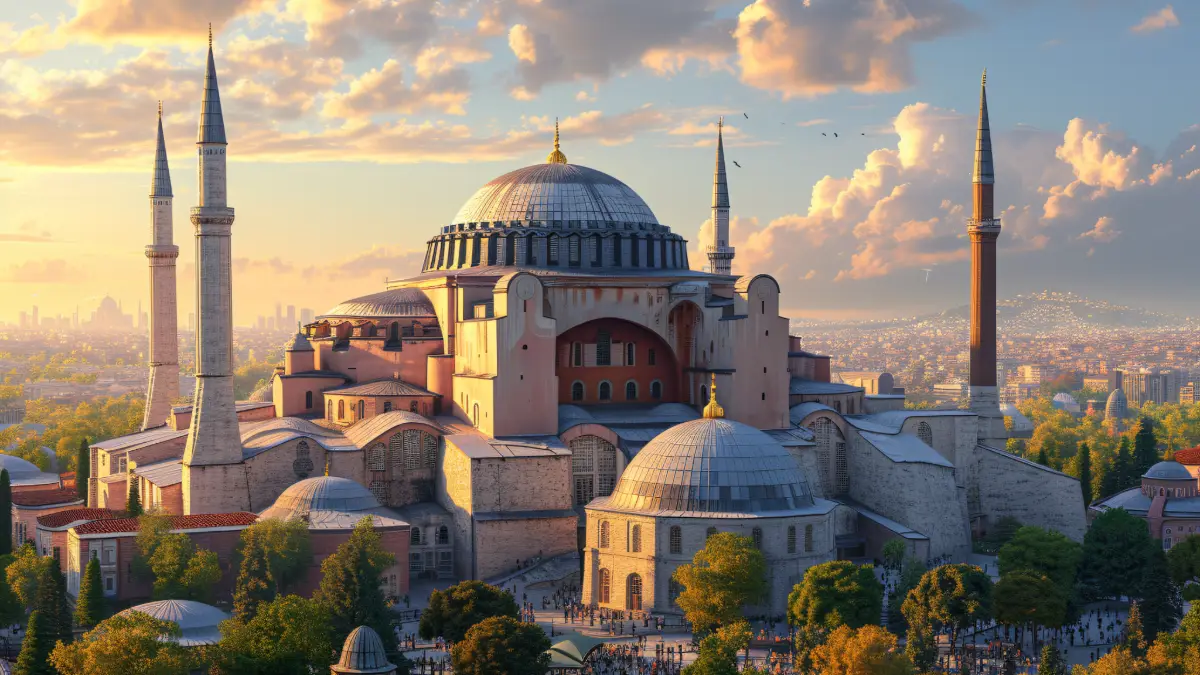
The building is famous for its unique mix of a basilica layout and a central dome. The dome looks like it’s floating because windows are placed in a way that spreads natural light. It rises more than 55 meters. This groundbreaking design impacted the development of architecture in both the East and the West for hundreds of years.
Visitors see the following inside:
- Marble columns from cities that are thousands of years old
- Beautiful mosaics made of gold, silver, and colored stones
- Huge calligraphic roundels from the time of the Ottomans
- A beautiful mix of Christian symbols and Islamic art
This layered design shows how beautiful it is and how recent visitor management changes have made it easier to get to Hagia Sophia. International visitors can now enter through a special gate close to the old palace complex. From there, a ramp leads to the upper gallery, where guests can see both the main prayer hall and important architectural details without bothering people who are praying. - Important practical points are:
- Foreigners must pay to enter, but kids under a certain age can enter for free.
- QR codes and audio guides give information in more than one language
- You need headphones to use augmented reality.
- The gallery route lets you see mosaics, marble doors, and old inscriptions.
It’s important for medical travelers, especially those who have trouble moving around, to know that some areas may not be fully accessible. There may be other ways in, but you need to plan ahead. also how Istanbul has changed over time.
Planning Your Visit to Hagia Sophia, Istanbul
Entry, Access, and Visitor Flow
Recent changes to visitor management have made it easier to get to Hagia Sophia. International visitors can now enter through a special gate close to the old palace complex. From there, a ramp leads to the upper gallery, where guests can see both the main prayer hall and important architectural details without bothering people who are praying.
Important practical points are:
- People from other countries have to pay to get in, but kids under a certain age can get in for free.
- QR codes and audio guides give information in more than one language
- You need headphones to use augmented reality.
- The gallery route lets you see mosaics, marble doors, and old inscriptions.
It’s important for medical travelers, especially those who have trouble moving around, to know that some areas may not be fully accessible. There may be other ways in, but you need to plan ahead.
Best Times to Visit
To make sure you have a comfortable and less crowded time:
- Go in the morning or late afternoon.
- If you want to explore more freely, stay away from peak prayer times.
- Think about weekdays instead of weekends
Patients who are recovering from surgery should try to schedule their procedures during quieter times to reduce physical stress and increase comfort.
What to See Inside Hagia Sophia
Mosaics and Sacred Imagery
Hagia Sophia houses some of the best-preserved Byzantine mosaics. These include pictures of Christ, the Virgin Mary, and several emperors. People especially love the Deesis mosaic for how deep and precise it is artistically.
Interestingly, the Ottoman period preserved many of these mosaics under plaster, allowing them to endure for centuries.
The Dome and Structural Innovation
The central dome remains the defining feature of Hagia Sophia, Istanbul. Its scale and engineering continue to impress architects and historians alike. The dome symbolizes both divine presence and human ingenuity, reinforced over time by Ottoman architects to withstand earthquakes.
Unique Historical Elements
Some of the less well-known but still interesting features are:
- The Omphalion, where Byzantine emperors were crowned
- Viking writing carved into marble surfaces
- Huge marble urns from the Hellenistic period
- The Imperial Door, which was only for emperors
Each part adds to a story that goes through empires, religions, and hundreds of years.
Combining Cultural Exploration with Medical Travel
Why Hagia Sophia Enhances the Medical Journey
When you travel for medical reasons, you may have to wait, recover, and deal with your feelings. Going to a place like Hagia Sophia can give you:
- A peaceful and thoughtful place
- A feeling of being connected to history and culture
- Light exercise that helps with recovery (when it’s safe to do so)
Patients at Avicenna Hospital can easily add Hagia Sophia Istanbul to their travel plans without too much effort because it is so close.
Practical Advice for Patients
When you want to see the sights and get medical care at the same time, we suggest:
- Talking to your doctor before making any plans for trips
- Planning visits during times when you don’t have a lot of energy during your recovery
- Using private transportation to cut down on tiredness
• Staying hydrated and allowing for rest breaks
During the early stages of recovery, patients who have had major surgery should put safety first and stay away from crowded places.
Etiquette and Cultural Considerations
Hagia Sophia is an active mosque, so visitors are expected to act respectfully:
- You must dress modestly (women may need to cover their heads).
- You must take off your shoes in certain prayer areas
- People should be quiet and act respectfully.
Knowing about these customs makes the experience better and shows that you are aware of other cultures.
A Meaningful Experience Beyond Treatment
A trip to Hagia Sophia in Istanbul is more than just a chance to learn about history; it’s a deeply enriching experience that adds to the medical travel journey. For patients from other countries, it’s a chance to combine health care with cultural exploration in one of the most fascinating cities in the world.
We help our patients at Avicenna International Hospital not only by giving them great medical care but also by showing them how to get around Istanbul in a way that is good for their health and comfort. Adding meaningful experiences like a trip to Hagia Sophia can help both your physical and mental health.
Most international visitors have to pay an entrance fee, but some groups, like young children, can get in for free. Prices can change.
People who come should dress modestly. Women may need to cover their heads, and both men and women should wear clothes that cover their shoulders and knees.
Depending on how interested they are and how crowded the site is, most visitors spend between one and two hours there.