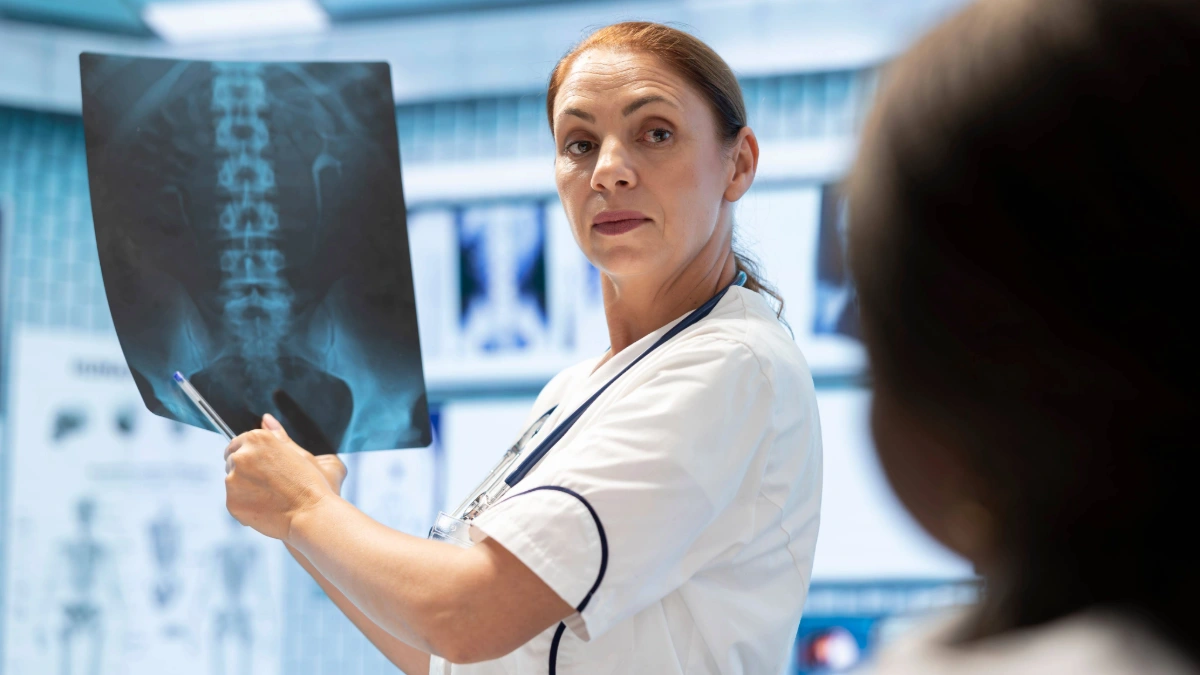
Scoliosis surgery methods in Turkey include advanced techniques such as spinal fusion, minimally invasive surgery, vertebral body tethering, and growth-friendly systems for younger patients. Each method is selected based on the patient’s age, spinal curvature, growth potential, and overall health, with the aim of correcting the spine, improving balance, and preventing further progression.
For international patients, Turkey—particularly Istanbul—offers a combination of modern medical expertise and a supportive environment for recovery. Treatment planning is highly individualized, ensuring that each patient receives the most appropriate surgical approach.
What are the Scoliosis Surgery Methods in Turkey?
The main surgery methods for scoliosis include spinal fusion, minimally invasive techniques, vertebral body tethering, and growth-preserving procedures. Each method serves a distinct purpose rather than acting as interchangeable options.
Spinal fusion
Spinal fusion is the most widely used and well-established scoliosis operation. It involves straightening the spine using rods and screws, followed by fusing the affected vertebrae to prevent further curvature.
This method is commonly recommended for adolescents and adults with significant or progressive curves. While it provides strong and lasting correction, it reduces movement in the fused segment of the spine. Despite this limitation, it remains the gold standard for many complex cases.
Minimally invasive surgery
Minimally invasive scoliosis surgery is performed through smaller incisions and aims to reduce muscle damage, blood loss, and post-operative discomfort.
This approach is not suitable for every patient, but when applicable, it offers several advantages:
- shorter hospital stays
- reduced post-operative pain
- faster return to daily activities
For international patients, this can make travel and recovery planning more manageable.
Vertebral body tethering
Vertebral body tethering (VBT) is a newer, non-fusion technique designed primarily for children and adolescents who are still growing.
Instead of fusing the spine, surgeons place a flexible cord along the curve. As the child grows, the spine gradually straightens while maintaining flexibility. This method is particularly appealing for patients where preserving spinal motion is a priority.
However, careful patient selection is essential, as not all scoliosis cases are suitable for this technique.
Growing rods and growth-friendly systems
For young children with early-onset scoliosis, growth-preserving techniques are often preferred over immediate fusion.
Growing rod systems control the curvature while allowing the spine and chest to continue developing. These rods can be adjusted periodically as the child grows, either through minor procedures or, in some cases, non-invasive methods.
This approach helps protect lung development and overall physical growth, which is critical in younger patients.
Robotic spine surgery
Robotic spine surgery enhances surgical precision rather than replacing traditional techniques. It assists surgeons in placing implants more accurately and planning procedures in detail.
This technology contributes to:
- improved surgical accuracy
- reduced risk of complications
- enhanced safety during complex procedures
It is increasingly used in advanced spine centers in Turkey as part of modern scoliosis care.
Who may need scoliosis surgery?
Scoliosis surgery is typically considered when the spinal curve progresses significantly, causes pain, affects posture, or impacts breathing and daily function.
In many cases, surgery is recommended when:
- the curvature exceeds approximately 40–45 degrees
- non-surgical treatments such as bracing or physiotherapy are no longer effective
- the patient experiences functional limitations or nerve-related symptoms
The decision is always personalized. Factors such as age, curve type, growth stage, and overall health are carefully evaluated before recommending surgery.
What does recovery usually look like?
Recovery after scoliosis surgery depends on the chosen method and the patient’s condition. In general, hospital stays range from several days to around a week.
Early recovery focuses on:
- pain management
- gradual mobilisation
- supervised physiotherapy
Most patients return to daily activities progressively over several weeks to months. Full recovery, including bone healing, continues over a longer period and requires regular follow-up.
A well-structured recovery plan is essential, especially for international patients who need coordinated care before returning home.
Why do International Patients Consider Istanbul?
Istanbul offers more than medical treatment—it provides an environment that supports both physical and emotional recovery.
Patients often appreciate:
- access to experienced spine specialists
- modern hospitals with international patient services
- structured treatment packages including accommodation and transport
- a culturally rich city that allows gentle, recovery-friendly experiences
During later stages of recovery, patients may enjoy calm outings such as walks along the Bosphorus or visits to museums and historic districts, helping create a more balanced healing experience.
Conclusion
Scoliosis surgery methods in Turkey are diverse and tailored to individual patient needs. From spinal fusion to minimally invasive and growth-preserving techniques, each approach is carefully selected to achieve the best possible outcome while considering long-term health and quality of life.
For international patients, Istanbul provides a unique combination of advanced medical care and a supportive recovery environment. Within this setting, Avicenna International Hospital plays a role in delivering structured, patient-focused scoliosis treatment, helping individuals combine effective medical care with a meaningful and well-supported stay in the city.
Scoliosis surgery in Turkey generally ranges from moderate to significantly lower costs compared to many Western countries. The final cost depends on the complexity of the procedure, the surgical method used, and the length of hospital stay.
There is no single best country for every patient. The ideal choice depends on surgeon expertise, hospital quality, available technology, and the level of personalized care provided throughout the treatment journey.
The main scoliosis surgery methods include spinal fusion, minimally invasive surgery, vertebral body tethering, and growth-friendly techniques for younger patients. The most suitable method depends on the patient’s age, spinal curvature, and overall condition.