Obesity is no longer viewed simply as a lifestyle issue. It is a serious medical condition linked to diabetes, high blood pressure, sleep apnea, heart disease, joint problems, and reduced quality of life. For many patients who struggle to lose weight through diet and exercise alone, robotic bariatric surgery in Turkey has become an advanced and highly effective treatment option.
Turkey is now one of the leading destinations for robotic-assisted weight loss surgery, particularly for international patients seeking experienced surgeons, modern hospitals, and more affordable treatment compared with the UK or the United States. In cities such as Istanbul, patients can combine advanced obesity treatment with a comfortable recovery experience surrounded by culture, wellness, and hospitality.
What Is Robotic Bariatric Surgery?
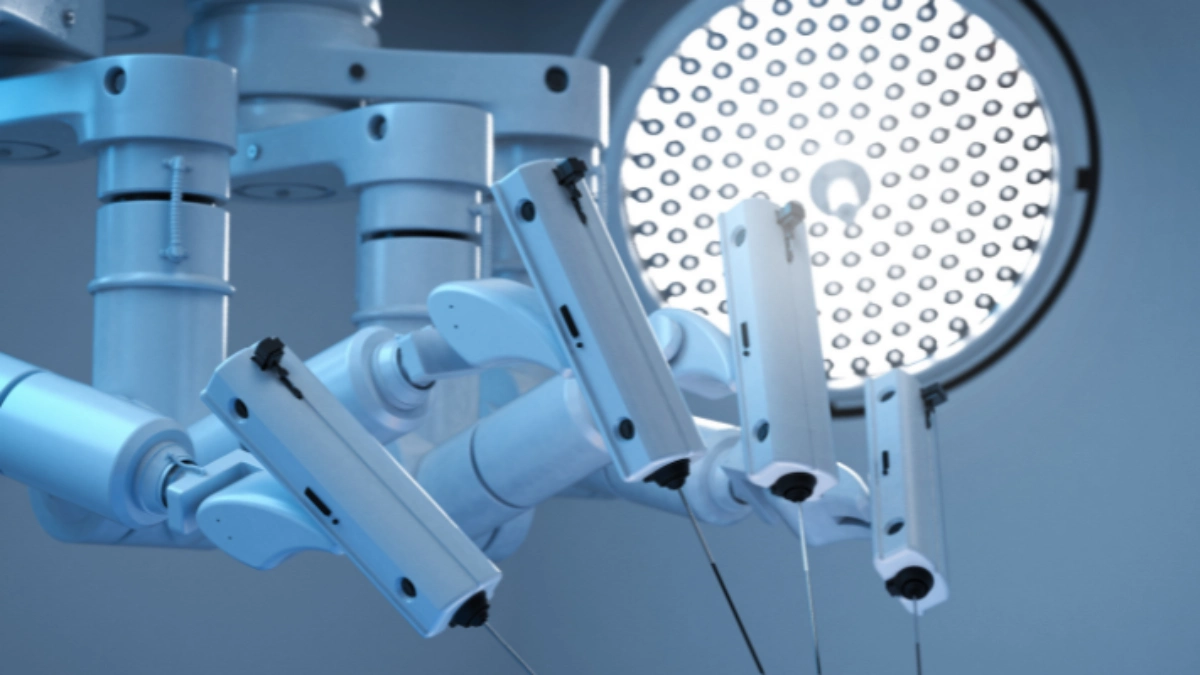
Robotic bariatric surgery is a minimally invasive weight-loss procedure performed using robotic surgical technology controlled entirely by the surgeon. The robotic system does not act independently. Instead, it translates the surgeon’s hand movements into extremely precise micro-movements during surgery.
This technology provides:
- High-definition 3D visualisation
- Greater precision inside narrow surgical areas
- Better control during delicate suturing
- Smaller incisions compared with open surgery
- Reduced trauma to surrounding tissues
Robotic surgery is commonly used for procedures such as robotic gastric sleeve surgery and robotic gastric bypass surgery.
Is Bariatric Surgery Done Robotically?
Yes. Many modern bariatric procedures are now performed robotically, especially in advanced medical centers in Turkey.
Robotic systems such as the da Vinci Surgical System allow surgeons to perform highly accurate movements that can be more difficult with traditional laparoscopy alone. This is particularly beneficial during complex stages of gastric bypass surgery, where precision suturing is essential.
For patients, the robotic approach may offer:
- Less post-operative pain
- Lower risk of bleeding and leaks
- Faster mobilisation after surgery
- Smaller scars
- Shorter hospital stays
- Faster recovery overall
What Types of Robotic Bariatric Surgery Are Available in Turkey?
Robotic Gastric Sleeve Surgery
Robotic gastric sleeve surgery, also called sleeve gastrectomy, involves removing approximately 70–80% of the stomach.
The remaining stomach becomes a narrow tube-shaped pouch, significantly reducing food intake while also lowering hunger hormone production. Patients usually feel full much faster after eating small portions.
This procedure is often recommended for patients with:
- BMI over 40
- BMI over 35 with obesity-related conditions
- Long-term unsuccessful weight-loss attempts
Robotic Gastric Bypass Surgery
Robotic gastric bypass surgery combines stomach restriction with reduced calorie absorption.
During the procedure:
- A small stomach pouch is created
- Part of the small intestine is bypassed
- Food intake becomes restricted
- Nutrient absorption decreases
This procedure is frequently recommended for patients with severe obesity, type 2 diabetes, reflux disease, or metabolic syndrome.
Many patients lose up to 70% of excess weight within the first year following surgery.
Why Is Turkey Popular for Robotic Bariatric Surgery?
Turkey has become one of the world’s strongest health tourism destinations because it combines advanced healthcare infrastructure with internationally accessible pricing.
In Istanbul, international patients benefit from highly modern hospitals, multilingual support teams, and surgeons experienced in minimally invasive obesity surgery.
Compared with private healthcare costs in the UK, robotic bariatric surgery in Turkey is often 60–70% more affordable.
Typical price ranges include:
| Procedure | Turkey | UK |
|---|---|---|
| Robotic Gastric Sleeve | $4,000 – $7,000 | $12,000 – $20,000 |
| Robotic Gastric Bypass | $5,000 – $9,000 | $15,000 – $25,000 |
Most international treatment packages also include:
- Pre-operative tests
- Hospital stay
- Hotel accommodation
- Airport transfers
- Translation assistance
- Post-operative medications
- Dietitian follow-up support
Is It Safe to Have Bariatric Surgery in Turkey?
Yes, bariatric surgery in Turkey can be very safe when performed at accredited hospitals by experienced bariatric surgeons.
Modern robotic systems improve surgical precision and help reduce complication risks associated with traditional surgery. However, as with all major surgical procedures, bariatric surgery still carries some medical risks.
Potential complications may include:
- Infection
- Blood clots
- Bleeding
- Gastrointestinal leaks
- Anaesthesia-related complications
Patient safety depends heavily on proper screening, surgeon experience, hospital standards, and following all post-operative instructions carefully.
Before surgery, patients usually undergo extensive assessments including:
- Blood tests
- ECG
- Respiratory function tests
- Ultrasound imaging
- Endoscopy
- Cardiology evaluation
- Anaesthesia consultation
Who Is Eligible for Robotic Bariatric Surgery?
Eligibility is based on body mass index, medical history, and obesity-related health conditions.
Patients may qualify if they:
- Have a BMI above 40
- Have a BMI above 35 with diabetes, hypertension, or sleep apnoea
- Have struggled with long-term weight management
- Have attempted diet and exercise programmes previously
A complete medical evaluation is always required before surgery approval.
What Is Recovery Like After Robotic Bariatric Surgery?
Recovery after robotic bariatric surgery is generally faster than traditional open surgery because the procedure is minimally invasive.
Most patients:
- Walk within hours after surgery
- Stay in hospital for 2–3 nights
- Return to light activities within one week
- Resume normal routines within 4–6 weeks
The first month usually follows structured dietary stages:
- Liquid diet
- Purée diet
- Soft foods
- Gradual transition to normal meals
Patients are also advised to take vitamin supplements and attend regular follow-up assessments.
What Can International Patients Do in Istanbul During Recovery?
Recovery in Istanbul can feel surprisingly calming when patients balance rest with gentle cultural experiences.
Many international visitors enjoy slow-paced, recovery-friendly activities such as:
- Visiting Grand Bazaar during quieter morning hours
- Relaxing near the Bosphorus waterfront
- Exploring peaceful museums and art spaces
- Enjoying Turkish tea gardens and scenic cafés
- Taking short walks through historic districts like Sultanahmet
These experiences often help patients feel emotionally refreshed while recovering physically after treatment.
Who Is the Best Bariatric Surgeon in Turkey?
The best bariatric surgeon in Turkey depends on the patient’s medical needs, surgical history, and the specific procedure being considered.
Patients should look for:
- Extensive bariatric surgery experience
- Robotic surgery expertise
- International patient experience
- Strong hospital infrastructure
- Long-term aftercare support
- Transparent communication
Choosing the right hospital and multidisciplinary support team is often just as important as selecting the surgeon.
Conclusion
Robotic bariatric surgery in Turkey offers international patients access to advanced minimally invasive obesity treatment at considerably lower costs than many Western countries. With modern robotic technology, experienced surgical teams, and structured aftercare programs, procedures such as robotic gastric sleeve and robotic gastric bypass surgery can provide long-term health improvements and sustainable weight loss.
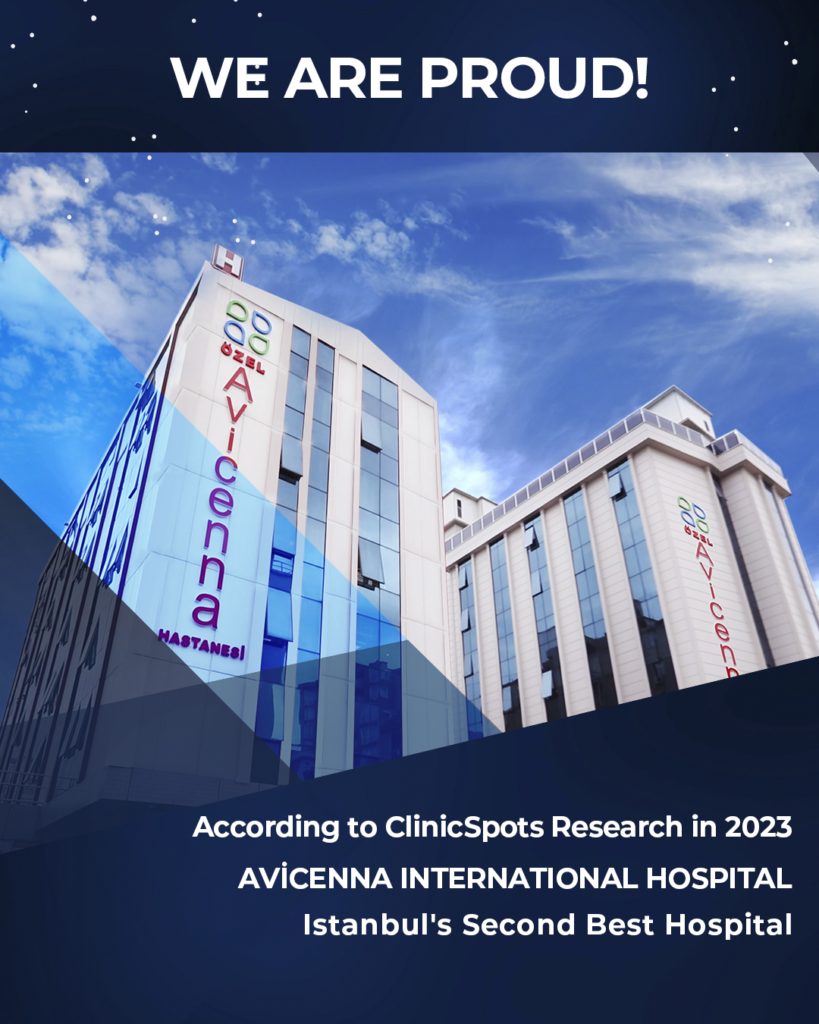
For patients visiting Istanbul, treatment can also become part of a broader wellness experience that combines medical care with cultural discovery and recovery-focused comfort. Choosing the right treatment starts with access to accurate information and experienced medical professionals. At Avicenna International Hospital, we support international patients with personalized healthcare in Turkey.
Robotic bariatric surgery in Turkey usually costs between $4,000 and $9,000 depending on the procedure and treatment package. Prices are significantly lower than private treatment costs in the UK while often including accommodation and transfers.
Most international patients stay in Turkey for around 5–10 days after surgery. This allows time for hospital recovery, follow-up checks, and medical clearance before flying home.
Yes, but the scars are usually very small. Robotic surgery uses tiny keyhole incisions rather than large surgical cuts, which helps reduce visible scarring and speeds up healing.