
A high hairline can influence facial proportions and affect how balanced the forehead appears. For some people, it is simply a natural feature they were born with. For others, it develops gradually due to hair thinning, a receding hairline, or age-related changes. When considering ways to lower the hairline, two procedures are most commonly discussed: Hairline Lowering Surgery vs. Hair Transplantation, and understanding the differences can help you decide which option is best for your needs.
Although both treatments can improve the appearance of a high forehead, they achieve this goal in completely different ways. Understanding how each procedure works, who is best suited for it, and what results can realistically be expected is essential before making a decision.
For international patients visiting Istanbul for treatment, these procedures are often combined with a comfortable recovery period that allows time to enjoy the city’s cultural atmosphere, historic landmarks, and wellness-focused experiences.
What Is Hairline Lowering Surgery?
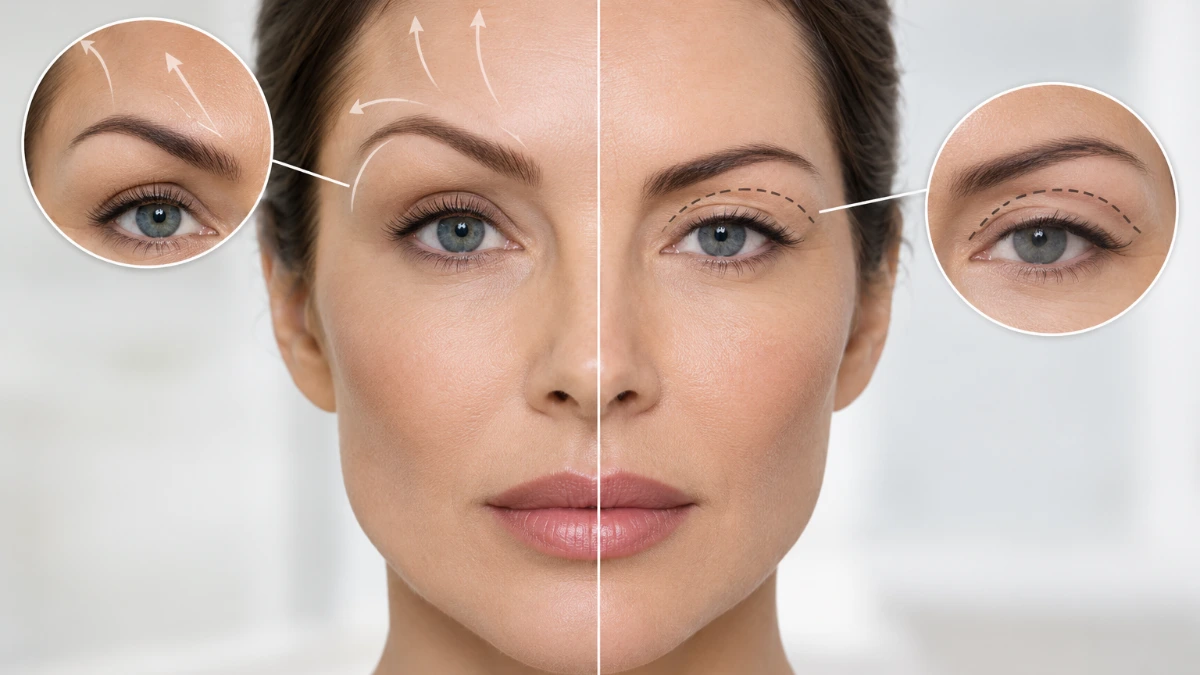
Hairline lowering surgery, also known as forehead reduction surgery, is a procedure designed to reduce forehead height by physically moving the hair-bearing scalp forward.
During the operation, a surgeon removes a strip of skin from the upper forehead and advances the scalp towards the eyebrows. This immediately lowers the position of the hairline and reduces the visible height of the forehead.
The biggest advantage is that results are visible straight away. Once healing begins, patients can already see a noticeable change in facial proportions.
Who Is a Good Candidate for Hairline Lowering Surgery?
Hairline lowering surgery is generally suitable for people who:
- Have a naturally high forehead
- Have good scalp flexibility and elasticity
- Have stable hair density
- Are not experiencing active hair loss
- Want immediate forehead reduction
This procedure is particularly popular among women and transgender patients seeking facial feminisation.
What Is Hair Transplantation?
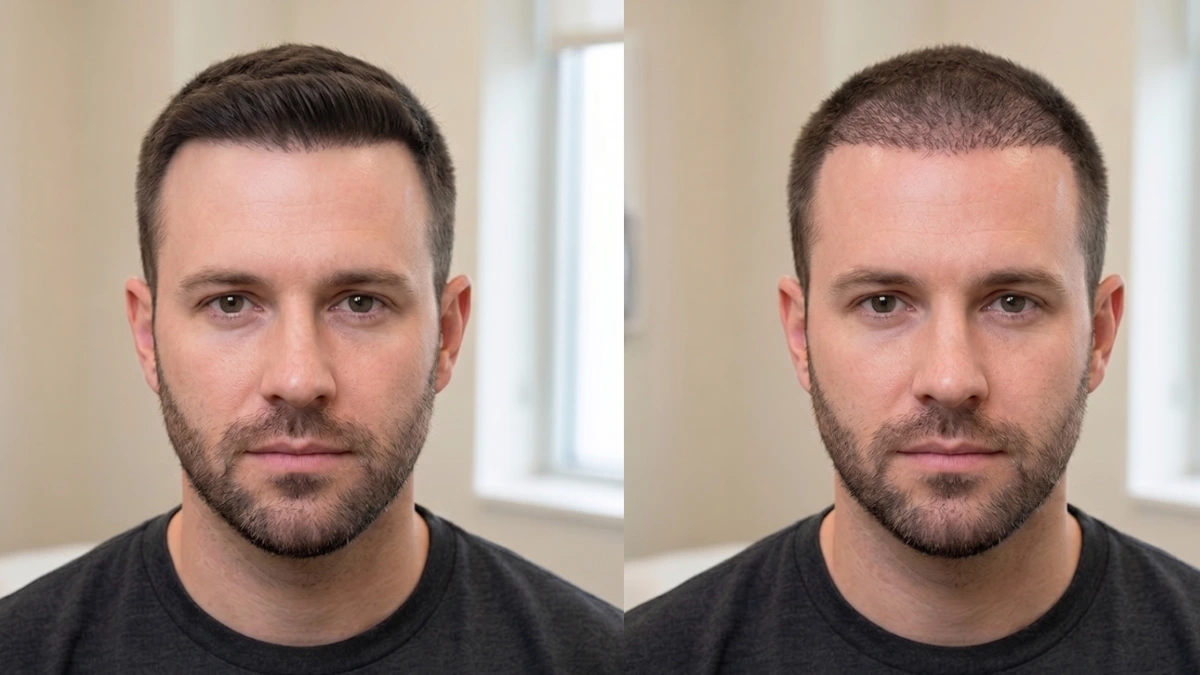
Hair transplantation lowers or reshapes the hairline by adding new hair follicles rather than moving the scalp.
The procedure involves extracting healthy follicles from a donor area, usually the back of the scalp, and implanting them into the frontal hairline. Modern techniques such as FUE (Follicular Unit Extraction) create natural-looking results with minimal visible scarring.
Unlike forehead reduction surgery, hair transplantation does not instantly lower the hairline. Newly transplanted follicles typically shed before entering a growth phase. Visible improvements develop gradually over several months.
Who Is a Good Candidate for Hair Transplantation?
Hair transplantation is often recommended for individuals who:
- Have a receding hairline
- Experience male or female pattern hair loss
- Want to improve hairline density
- Need temple restoration
- Have adequate donor hair available
It is frequently chosen by patients seeking a subtle, highly customized hairline design.
Hairline Lowering Surgery vs. Hair Transplantation: Key Differences
The most important difference is the method used to lower the hairline.
| Feature | Hairline Lowering Surgery | Hair Transplantation |
|---|---|---|
| Method | Scalp advancement | Hair follicle implantation |
| Results Timeline | Immediate | Gradual (6–12 months) |
| Best For | High forehead | Hair loss and receding hairline |
| Scarring | Fine scar along hairline | Tiny donor-area scars |
| Hair Density | Preserves existing density | Creates new density |
| Recovery | 1–2 weeks initial healing | Several days to 2 weeks |
| Long-Term Hair Loss Suitability | Less suitable | Highly suitable |
Which Procedure Gives Faster Results?
Hairline lowering surgery provides faster visible results.
Because the scalp is physically repositioned during surgery, the reduction in forehead height can be seen immediately after the procedure. Although swelling and healing continue for several weeks, the structural change is already present.
Hair transplantation requires patience. Most transplanted hairs enter a temporary shedding phase before regrowing. Significant improvements generally become noticeable after several months, with final results developing over 12 months.
Patients whose main priority is immediate forehead reduction often prefer forehead reduction surgery.
Which Option Looks More Natural?
Both procedures can produce highly natural results when performed by experienced surgeons.
Hairline lowering surgery maintains the patient’s natural hairline density because the existing scalp is moved forward. This can create a very authentic appearance without relying on newly growing hair.
Hair transplantation offers exceptional customization. Surgeons can carefully design the hairline shape, density, and contour to complement facial features. Modern FUE techniques allow individual follicles to be placed in a way that closely mimics natural hair growth.
The most natural choice often depends on the individual’s anatomy and treatment goals rather than the procedure itself.
What About Hairline Lowering Surgery Cost vs Hair Transplantation Cost?
Hairline lowering surgery cost and hair transplantation cost vary significantly depending on the surgeon, clinic, country, and complexity of treatment.
In the UK, forehead reduction surgery often ranges between £5,000 and £8,000. Hair transplant costs vary based on graft numbers but commonly start from similar levels and can increase substantially for larger procedures.
Many international patients explore treatment options abroad because destinations such as Istanbul can offer advanced medical care, experienced surgeons, and comprehensive patient support while maintaining competitive pricing.
When comparing hairline lowering surgery vs hair transplantation cost UK, it is important to consider not only the procedure price but also long-term goals, future hair loss risk, and potential need for additional treatments.
Can Hairline Lowering Surgery and Hair Transplantation Be Combined?
Yes. In fact, combining the two procedures can produce excellent outcomes in selected patients.
A common approach involves:
- Hairline lowering surgery to achieve immediate forehead reduction.
- Hair transplantation later to refine temples.
- Additional grafts to soften the hairline.
- Camouflaging any visible surgical scar if needed.
This combination can provide both immediate structural improvement and long-term aesthetic refinement.
What Should International Patients Know Before Treatment?
Choosing the right procedure requires careful planning and a personalized consultation.
Several factors influence suitability, including:
- Forehead size
- Hair density
- Donor hair quality
- Scalp flexibility
- Family history of hair loss
- Long-term aesthetic goals
Patients visiting Istanbul for treatment often appreciate the opportunity to recover in a city that blends medical excellence with cultural richness. Gentle walks through historic neighborhoods, visits to museums, waterfront relaxation along the Bosphorus, and wellness-focused experiences can make the recovery period feel more enjoyable and memorable.
Which One Should You Choose?
Hairline lowering surgery is often the better option if you have a naturally high forehead, stable hair density, and want an immediate reduction in forehead height.
Hair transplantation is often the better option if you have a receding hairline, thinning hair, ongoing hair loss, or want a highly customized hairline design without a frontal scar.
Neither procedure is universally better. The ideal choice depends on your anatomy, expectations, and long-term hair restoration goals.
Conclusion
Hairline lowering surgery and hair transplantation are both effective solutions for improving hairline position and facial balance, but they address different concerns. Forehead reduction surgery physically lowers the hairline and delivers immediate results, while hair transplantation restores or redesigns the hairline through strategically placed hair follicles.
For international patients seeking treatment in Istanbul, the decision should always begin with a detailed medical assessment and a personalized treatment plan. Alongside world-class healthcare, the city offers a unique combination of cultural experiences, wellness opportunities, and recovery-friendly environments. Institutions such as Avicenna International Hospital are part of Istanbul’s growing health tourism ecosystem, supporting patients who wish to combine advanced medical care with a rewarding international healthcare journey.
Choosing the right treatment starts with access to accurate information and experienced medical professionals. At Avicenna International Hospital, we support international patients with personalized healthcare in Turkey.
Neither is universally better. Hairline lowering surgery is generally better for reducing forehead height immediately, while hair transplantation is often better for treating hair loss, receding hairlines, and improving density.
Yes, for suitable candidates. Patients with a naturally high forehead and good scalp elasticity often achieve significant and immediate improvement in facial proportions through forehead reduction surgery.
Yes, a hair transplant can create the appearance of a lower forehead by placing hair follicles in front of the existing hairline. However, the change is usually more gradual and less dramatic than forehead reduction surgery.