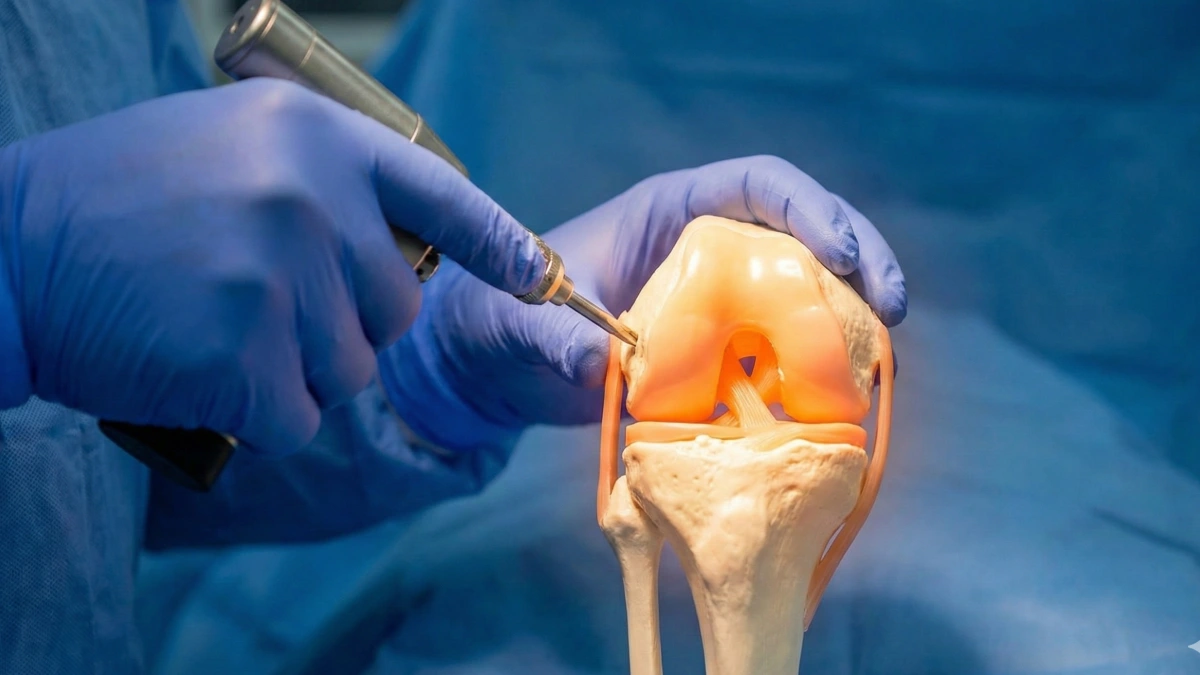
A primary total knee replacement is thought to be one of the most effective surgeries in modern orthopedics. However, these artificial joints are mechanical and have a limited lifespan. Many patients enjoy years of pain-free movement after receiving their first implant. Still, a second surgery might be needed eventually. There are several reasons for this: normal age, changes in how the body works, or sudden problems. Revision knee replacement in Turkey is a popular choice for people who need a second surgery due to inadequate support or mobility from their initial implant.
What is Revision Knee Replacement?
A revision knee replacement in Turkey involves the surgical removal of a previously implanted artificial joint (prosthesis) and its replacement with new components. A primary treatment focuses on smoothing out the natural bone. A revision, on the other hand, is usually more complicated. We have to carefully take out the old hardware while keeping as much healthy bone as possible. To make up for any bone loss that has happened over time, we often use special implants.
Treatment Options
Most primary knee replacements are intended to last 12 to 15 years. However, as the components age, they may become loose or worn, resulting in symptoms such as persistent pain or a feeling of the knee “giving way.” When you come in with these signs, we do a full investigation to find out what’s really going on.
If mechanical wear is the main problem, it may be enough to just switch out the plastic gap or metal parts. If the failure is due to an infection, on the other hand, the treatment process is more complicated and usually needs to be done in stages to make sure the site is physically sound before a new prosthesis is put in.
Benefits of Revision Knee Replacement
The goals of revision surgery are to eliminate infection, reduce chronic pain, and regain functional mobility. The aim is to reintegrate you into your everyday activities with a stable, well-functioning joint.
Risk of Surgery
Like any orthopedic procedure, revision knee replacement comes with certain risks, which we carefully monitor. Since the operation is usually more involved and takes longer than the initial surgery, patients should be aware of possible complications:
Blood clots represent a significant risk in surgical procedures.
Deep vein thrombosis (DVT) is characterized by the formation of a clot within the deep veins of the leg.
Pulmonary embolism (PE) constitutes a critical medical emergency, wherein a clot migrates to the pulmonary arteries.
Complications in wound healing are frequently encountered in revision surgeries, necessitating careful management of pre-existing scar tissue.
Furthermore, the probability of infection is elevated in revision surgeries, with an approximate risk of 5-10%.
Preventative Steps
To lower these risks, we implement a strict protocol based on international best practices:
Early Mobilisation: We encourage patients to begin moving as soon as possible, frequently on the day of their procedure. This enhances circulation and reduces the likelihood of deep vein thrombosis (DVT).
Compression Therapy: You’ll be required to wear elasticated compression stockings for approximately six weeks to maintain healthy blood flow.
Anticoagulation: In accordance with NICE guidelines, we assess each patient’s individual risk and typically prescribe blood thinners or Apixaban (a tablet) for a period of two weeks post-surgery.
Joint Infection
Infection is a serious complication in revision knee replacement; we take every possible measure to avoid it. Before your operation, we screen for bacteria and MRSA. Your leg skin should be intact, with no cuts or abrasions. We also recommend the following:
Lifestyle Adjustments: Ceasing smoking and managing weight, as both factors significantly influence healing and infection rates.
Advanced Theatre Technology: We perform surgeries in ultra-clean, advanced airflow theatres.
Antibiotic Protocol: Intravenous antibiotics are administered during and sometimes after the procedure.
Joint Loosening
Mechanical loosening remains a common reason for revision. Over time, the bond between the implant and the bone may weaken. It is important to note that current clinical evidence suggests revision implants may not have the same longevity as primary ones, though they remain the most effective solution for a failing joint.
Stiffness
Post-operative stiffness can occur due to the buildup of scar tissue. While we aim for maximum flexibility, some patients may find their range of motion is slightly less than that of their primary replacement. Working closely with our therapy team is essential to break down internal scarring and regain movement.
Fracture
A periprosthetic fracture (a break in the bone around the implant) can occur during or after surgery, particularly if the bone is weakened by osteoporosis. If a minor fracture occurs during the procedure, we can often stabilise it immediately using specialised wires or plates.
Nerve Injury
While rare, the nerves surrounding the knee can be affected during surgery. You may experience temporary numbness or, in very rare cases, weakness in the limb. Most of these issues resolve over several months as the nerves recover.
Urinary Incontinence
Short-term urinary difficulties can occasionally arise following the administration of specific anaesthetics or the temporary placement of a bladder catheter. These issues are generally transient, subsiding within hours or days after the catheter is withdrawn.
Persistent Pain
While the goal is to ease suffering, a small percentage of patients—perhaps 10%—might still experience some lingering, though mild, pain. On rare occasions, a more serious problem, Complex Regional Pain Syndrome (CRPS), can develop, requiring targeted pain management.
Medical Problems
Major surgery places significant strain on the body. There are small, risks of systemic complications like heart attack, stroke, or pneumonia. We perform thorough pre-operative evaluations to confirm your medical readiness for the operation.
Description of Knee Prosthesis Components
A knee prosthesis is built from three primary components.
- Femoral Component: a metal piece affixed to the end of the thigh bone.
- Tibial Component: The metal plate attached to the top of the shin bone.
- Patellar Component: A plastic “button” that replaces the undersurface of the kneecap.
In revision surgery, we often use specialised implants with longer “stems” that extend further into the bone for enhanced stability.
When Revision Total Knee Replacement in Turkey Is Recommended?
We generally recommend this procedure if you experience:
- Implant Loosening and Wear: Often caused by high-impact activity or excessive weight.
- Infection: Which may require a “staged surgery” (removing the implant, using an antibiotic spacer, and then re-implanting later).
- Instability: If the ligaments can no longer support the joint.
- Stiffness: When scar tissue prevents functional movement.
- Fractures: Resulting from a fall or trauma near the implant.
Preparing for Revision Total Knee Replacement in Turkey
Preparation is key to a successful outcome. This includes:
- Medical Evaluation: A comprehensive physical examination by a specialist, such as a cardiologist.
- Tests: X-rays, MRIs, or CT scans to make a picture of the bone structure, and blood tests to make sure there isn’t an infection.
- Home Planning: Making arrangements for help with everyday activities during the first few weeks of healing.
Surgical Procedure
Either general anesthesia or a nerve block is used during the surgery. Usually, the surgery will use the scar that is already there, but sometimes they may need to make the cut bigger. The process involves:
- Removal of old components: Carefully extracting the implant and any old bone cement.
- Bone Preparation: If bone loss is present, we use metal pieces or bone grafts to rebuild the joint’s foundation.
- Implantation: The new, specialized revision prosthesis is then positioned, followed by an assessment of the joint’s stability and alignment.
Recovery in the Hospital
During your stay, the focus is on:
- Pain Management: Using a combination of nerve blocks, NSAIDs, and, if necessary, short-term opioids.
- Physical Therapy: Tailored exercises to restore strength.
- Blood Clot Prevention: Continuing the use of compression boots and medication.
Recovery at Home
Once discharged, you must continue your rehabilitation.
- Wound Care: Keeping the site dry until stitches or staples are removed (usually after two weeks).
- Physical Therapy: Stick to the exercise program to get your knee bending to at least 90°.
- Long-Term Results: Most patients achieve excellent results, enjoying a reduction in pain and a return to the activities they love.
Conclusion
Choosing to undergo a revision knee replacement in Turkey is a big step, no doubt about it. But with the right surgical team, the road to getting better is clearly mapped out. At Avicenna International Hospital, we focus on providing best orthopedic care. We use the newest revision techniques to help our patients get back to their normal lives, moving freely again. Our team makes sure every part of your experience—from the initial planning to your recovery—is managed with the utmost care and attention.
Turkey is regarded as the top choice for international patients. It provides a perfect balance of high-calibre surgical expertise, modern JCI-accredited facilities—like International Avicenna Hospital—and costs that are significantly lower than in the UK or USA, all with zero waiting times.
The most frequent cause is aseptic loosening, where the implant loses its bond with the bone over time without infection. Other leading reasons include joint infection, instability (ligament issues), and mechanical wear and tear of the prosthetic components.