
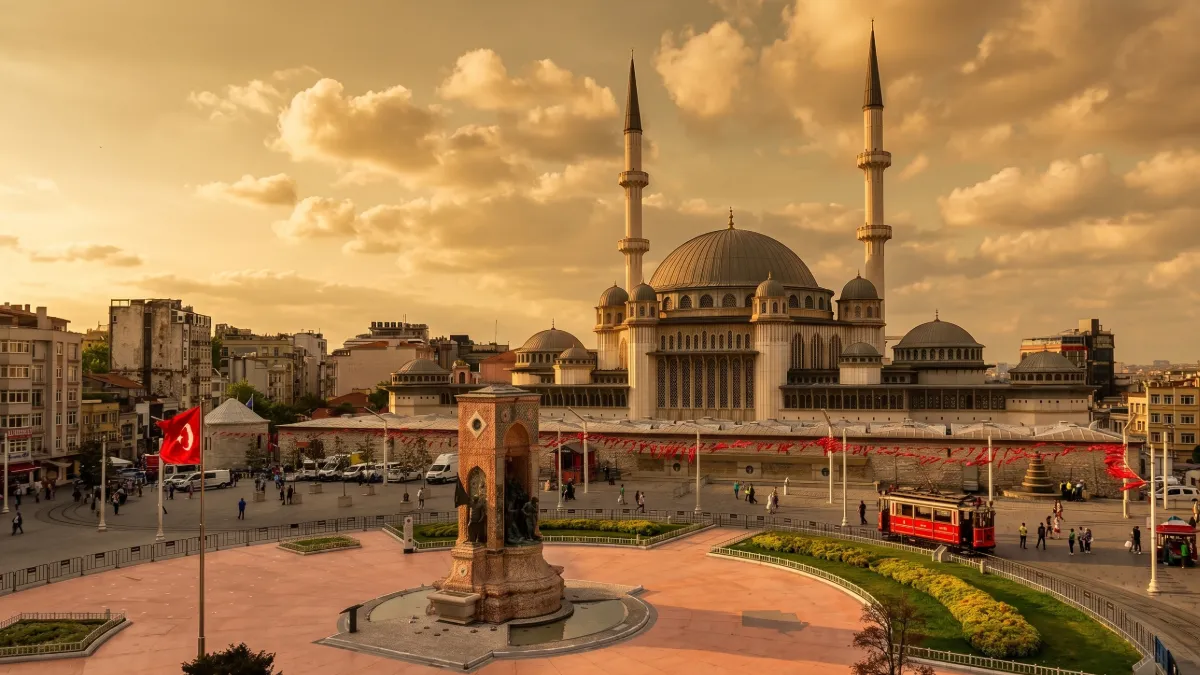
Taksim Square is one of the most recognizable places in Istanbul, renowned for its cultural landmarks, transportation links, restaurants, hotels, and lively city atmosphere. For many visitors, it is the first point where modern Istanbul feels fully visible: busy streets, historic monuments, art venues, cafés, shops, and people from every part of the world moving through one shared space.
This Taksim Square Guide is designed for travelers who want to understand the area properly, not just pass through it. It is also useful for international patients visiting Istanbul for medical treatment, as Taksim offers gentle cultural experiences, easy transport, and recovery-friendly activities when planned sensibly.
Why Is Taksim Square Important?
Taksim Square is important because it represents modern Istanbul’s public, cultural and social life. Located in Beyoğlu on the European side of the city, the square has long served as a meeting point for locals, tourists, business travelers, and international visitors.
The name “Taksim” comes from the idea of distribution, linked to the area’s historic role in the city’s water system. In the Ottoman period, water collected here was divided and sent to different parts of Istanbul. Over time, this practical function became a symbolic one, and the square developed into one of the city’s most visible urban centers.
Today, Taksim Square Istanbul is surrounded by hotels, restaurants, cultural institutions, shops and transport connections. It is a place where visitors can see both the everyday rhythm of Istanbul and the deeper layers of Turkish history.
What Can You See in Taksim Square?
The Republic Monument is the central landmark of Taksim Square. It commemorates the foundation of the Turkish Republic and features Mustafa Kemal Atatürk alongside other important figures from the early republican period.
The monument gives the square much of its symbolic character. Visitors often stop here for photographs, but it is more than a photo point. It reflects Turkey’s transition into a modern republic and remains one of the most meaningful public monuments in Istanbul.
Nearby, the historic Maksem structure recalls the area’s original connection with water distribution. The building has been restored and used for cultural purposes, adding another layer to the square’s historical identity.
Istiklal Avenue and the Nostalgic Tram
Istiklal Avenue begins near Taksim Square and is one of Istanbul’s most famous pedestrian streets. It is lined with shops, cafés, historic passages, churches, galleries, bookshops, cinemas, and restaurants.
The red nostalgic tram is one of the most iconic sights in the area. It travels along Istiklal Avenue towards Tünel, giving visitors a charming view of Istanbul’s older urban transport culture. For anyone searching for “Taksim Square tram”, this is usually the experience they mean.
Istiklal can be crowded, especially in the evening, but it is also one of the best places to observe Istanbul’s social diversity. Street musicians, local families, tourists, students and office workers all share the same long avenue.
Things to Do in Taksim Square Guide
The best things to do in Taksim Square include visiting the Republic Monument, walking along Istiklal Avenue, seeing the Taksim Mosque, exploring cultural venues and relaxing in Gezi Park.
For a calm and practical visit, we suggest:
- Start at the Republic Monument
- Walk slowly towards Istiklal Avenue
- Stop for Turkish coffee, tea or dessert
- Visit a gallery or cultural venue
- Rest in Gezi Park if you need a quiet break
- Continue towards Galata if you feel comfortable walking further
This route works well for visitors who want to experience the area without rushing.
Taksim Mosque and Atatürk Cultural Centre
Taksim Mosque is one of the newer landmarks shaping the appearance of the square. Its architecture combines traditional mosque design with a modern urban setting, making it a striking part of the Taksim skyline.
On the opposite side, the Atatürk Cultural Centre, often called AKM, is one of Istanbul’s major cultural institutions. It hosts concerts, opera, theatre and exhibitions, making the square not only a transport and shopping hub, but also a center for the arts.
For patients visiting Istanbul for healthcare, AKM can be a suitable option for a calm evening program, provided their doctor has allowed light activities.
Taksim Square Guide Restaurants and Local Food
Taksim is a strong area for casual eating, street food and international restaurants. Visitors can find Turkish classics, quick snacks, dessert cafés and more refined dining options around the square and along Istiklal Avenue.
Popular local choices include simit, roasted chestnuts, Turkish tea, baklava, milk desserts and the well-known “ıslak hamburger”, a soft burger served with a tomato-based sauce. Çiçek Pasajı, located off Istiklal Avenue, is also known for traditional meze restaurants and a lively atmosphere.
For medical tourists, we usually recommend choosing lighter meals during recovery unless your doctor has given different dietary advice. Turkish soups, grilled dishes, yoghurt-based sides and simple breakfasts can be more comfortable than heavy late-night meals.
Taksim Square Direction and Transport
Taksim Square is easy to reach by metro, funicular, bus and walking routes from nearby districts. The M2 metro line connects Taksim with important parts of the European side, while the F1 funicular links Taksim with Kabataş, where tram and ferry connections are available.
This makes Taksim useful for international patients staying in central Istanbul. It allows access to cultural areas such as Galata, Karaköy, Nişantaşı and Sultanahmet without relying only on taxis.
A Taksim square guide map is helpful if you plan to walk beyond the main square. The area slopes in different directions, so patients recovering from surgery should avoid long uphill walks and choose short, manageable routes.
What to Do in Taksim Square for a Day
A one-day Taksim plan should balance sightseeing, food and rest. Start late morning when the area is usually more manageable, then visit the Republic Monument, Taksim Mosque and AKM from the outside before walking down Istiklal Avenue.
After lunch or coffee, continue towards Çiçek Pasajı or Galata if you have enough energy. If you are recovering after treatment, keep the plan shorter and include regular seated breaks. Taksim is lively, but it does not need to be exhausting.
For a more relaxed day, combine Taksim with Cihangir. This nearby neighborhood has cafés, smaller streets and views towards the Bosphorus, offering a softer experience than the busiest parts of Istiklal.
Is Taksim Suitable During Medical Travel?
Taksim can be suitable during medical travel when patients choose gentle activities and avoid crowded hours. Many international patients want to experience Istanbul during their stay, but recovery should always come first.
The area is best for short walks, cultural observation, light dining and easy access to transport. It may not be ideal immediately after surgery or during periods when swelling, fatigue, mobility limits or infection risk are concerns.
We advise international patients to ask their medical team before visiting busy public areas, especially after procedures involving anaesthesia, facial surgery, dental treatment or major operations.
Practical Tips for Visiting Taksim
Taksim is generally easy to explore, but visitors should plan with care. Keep personal belongings secure, avoid unnecessary taxi journeys during peak traffic and carry a small amount of Turkish lira for snacks or transport cards.
Comfortable shoes are important because the surrounding streets can involve slopes, uneven pavements and long walking distances. For recovery-friendly travel, visit during quieter daytime hours rather than late evening.
Conclusion
Taksim Square is more than a busy meeting point. It is a living introduction to modern Istanbul, combining history, culture, transport, food, art and everyday city life in one compact area. For international visitors, it offers a practical and meaningful way to experience Istanbul beyond medical appointments.
For patients coming to Turkey for treatment, places such as Taksim, Istiklal Avenue, AKM, Gezi Park, Galata and Cihangir can add cultural depth to the journey when explored safely and at the right pace. Choosing the right treatment starts with access to accurate information and experienced medical professionals. At Avicenna International Hospital, we support international patients with personalized healthcare in Turkey.
Yes, Taksim Square is worth visiting because it is one of the main cultural and social centers of Istanbul. Visitors can see major landmarks, access Istiklal Avenue, use convenient transport links and experience the modern rhythm of the city.
The best way to get to Taksim Square is usually by metro or funicular. The M2 metro line serves Taksim directly, while the F1 funicular connects Kabataş with the square, making it easy to reach from tram and ferry routes.
In one day near Taksim Square, you can visit the Republic Monument, walk along Istiklal Avenue, see the nostalgic tram, explore cafés and restaurants, visit cultural venues and continue towards Galata or Cihangir if you have enough time and energy.