

Breast cancer-related lymphedema is a long-term condition caused by disruption of the lymphatic system following breast cancer treatment. For anyone considering Lymphedema Treatment After Breast Cancer in Turkey, it’s important to understand how this condition most commonly develops after lymph node removal surgery or radiotherapy and can affect the arm, breast, chest wall, shoulder, or underarm area.
The lymphatic system plays a vital role in maintaining fluid balance and supporting the immune system. When lymph nodes or lymphatic vessels are damaged during cancer treatment, lymph fluid may no longer drain efficiently. As a result, fluid accumulates in surrounding tissues, causing swelling, discomfort, and reduced mobility.
Lymphedema can appear shortly after treatment, but it may also develop months or even years later. Early diagnosis and appropriate management are essential because untreated lymphedema can gradually worsen and increase the risk of infection, skin changes, and functional limitations.
What Does Breast Lymphedema Look Like?
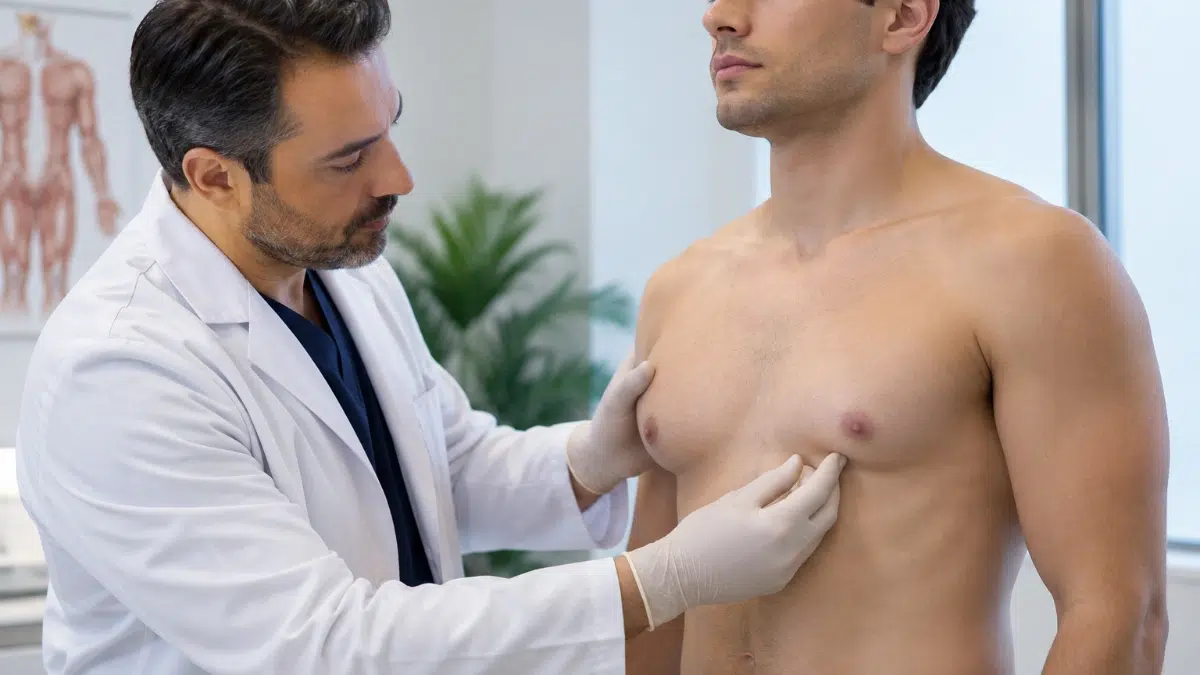
Breast lymphedema often appears as swelling, heaviness, or fullness in the breast or surrounding chest area. Some patients notice that one side feels larger, firmer, or tighter than the other.
People searching for lymphedema after breast cancer surgery pictures are usually trying to understand whether their symptoms are typical. While the appearance varies from person to person, common signs include:
- Swelling in the breast, arm, chest wall, or underarm
- A feeling of tightness or heaviness
- Skin thickening or firmness
- Changes in skin texture
- Reduced flexibility in the shoulder or arm
- Discomfort, aching, or tenderness
Because symptoms may begin subtly, even mild swelling should be assessed by a qualified specialist.
Is Breast Lymphedema Dangerous?
Breast lymphedema is not usually life-threatening, but it can become a serious chronic condition if left untreated.
Persistent fluid accumulation may increase the risk of recurrent infections, inflammation, tissue fibrosis, and progressive swelling. In advanced cases, patients may experience significant discomfort and limitations in daily activities.
The encouraging news is that modern treatment approaches can effectively control symptoms, improve quality of life, and help prevent progression when started early.
Why Turkey Has Become a Leading Destination for Lymphedema Treatment
Turkey has become one of the most recognized destinations for breast cancer-related lymphedema treatment due to its combination of specialist expertise, advanced treatment options, and accessible costs.
Many international patients choose Istanbul because it offers comprehensive cancer rehabilitation services alongside modern healthcare infrastructure. Multidisciplinary teams often include plastic surgeons, physiotherapists, oncology specialists, rehabilitation physicians, and lymphedema therapists working together to create personalized treatment plans.
For patients travelling from the UK, Europe, the Middle East, and other regions, treatment in Turkey can often be arranged with shorter waiting times while maintaining high clinical standards.
Breast Lymphedema Treatment Options in Turkey
Complete Decongestive Therapy (CDT)
Complete decongestive therapy is considered the international gold standard for lymphedema management.
CDT combines several evidence-based approaches:
- Manual lymphatic drainage
- Compression therapy
- Specialised exercises
- Skin care programmes
- Patient education and self-management
This comprehensive approach aims to reduce swelling, improve lymphatic flow, and minimize the risk of future complications.
Manual Lymphatic Drainage (MLD)
Manual lymphatic drainage is a specialized massage technique designed to encourage the movement of lymph fluid.
Performed by trained therapists, MLD uses gentle, rhythmic movements to redirect fluid toward healthy lymphatic pathways. It is particularly beneficial for breast, chest wall, and underarm swelling where compression garments alone may not be sufficient.
Compression Therapy
Compression garments help prevent fluid from accumulating in affected tissues.
Depending on the location of swelling, patients may be prescribed compression sleeves, gloves, bras, or specially designed vests. Compression therapy is frequently combined with exercise and manual drainage for optimal results.
Exercise Programmes for Breast Lymphedema
Targeted exercise is an important part of lymphedema treatment and recovery.
Many patients search for exercises for breast lymphedema because movement helps stimulate lymphatic circulation naturally. Common rehabilitation programs may include:
- Gentle shoulder mobility exercises
- Arm stretching routines
- Deep breathing exercises
- Walking programmes
- Light resistance training
- Postural exercises
Exercise plans should always be tailored to the patient’s condition and supervised by experienced professionals.
Advanced Surgical Treatments for Lymphedema
Lymphovenous Anastomosis (LVA)
Lymphovenous anastomosis is a microsurgical procedure that creates new connections between lymphatic vessels and small veins.
This allows excess lymph fluid to bypass damaged pathways and drain more effectively. LVA is often most successful in patients with early or moderate-stage lymphedema.
Vascularised Lymph Node Transfer (VLNT)
Vascularized lymph node transfer involves transplanting healthy lymph nodes from one part of the body to another.
The transferred lymph nodes can help restore lymphatic function and improve long-term fluid drainage. This option may be considered for selected patients with more advanced disease.
Specialised Liposuction Techniques
Liposuction may be considered in chronic cases where long-standing lymphedema has led to significant fat and fibrotic tissue accumulation.
This approach is typically reserved for carefully selected patients after comprehensive assessment.
How to Avoid Lymphedema After Lymph Node Removal
Although lymphedema cannot always be prevented, several measures may reduce the risk of developing it after breast cancer treatment.
Important preventive strategies include:
- Following post-operative exercise instructions
- Maintaining a healthy body weight
- Protecting the skin from cuts and infections
- Avoiding excessive strain during early recovery
- Monitoring for early swelling
- Seeking specialist assessment promptly if symptoms appear
Many patients also ask how to avoid lymphedema after sentinel node biopsy. The risk is generally lower after sentinel node procedures than after extensive lymph node removal, but preventive care remains important.
What Can International Patients Do During Recovery in Istanbul?
Recovery in Istanbul can combine medical rehabilitation with gentle cultural experiences.
Patients who are medically fit to explore often enjoy visiting calm and accessible locations such as:
- The historic Sultanahmet district
- The Hagia Sophia
- The Blue Mosque
- The Basilica Cistern
- The Bosphorus waterfront
- The Istanbul Archaeological Museums
- Emirgan Park
- Gülhane Park
These environments allow visitors to experience Istanbul’s cultural heritage while maintaining a comfortable pace during recovery.
The city’s blend of history, architecture, art, and hospitality creates an appealing setting for international patients seeking both treatment and a positive overall healthcare journey.
Conclusion
Breast cancer-related lymphedema can significantly affect comfort, mobility, and quality of life, but modern treatment approaches offer effective ways to manage symptoms and improve long-term outcomes. From Complete Decongestive Therapy and manual lymphatic drainage to advanced microsurgical procedures such as LVA and lymph node transfer, patients in Turkey have access to a broad range of treatment options.
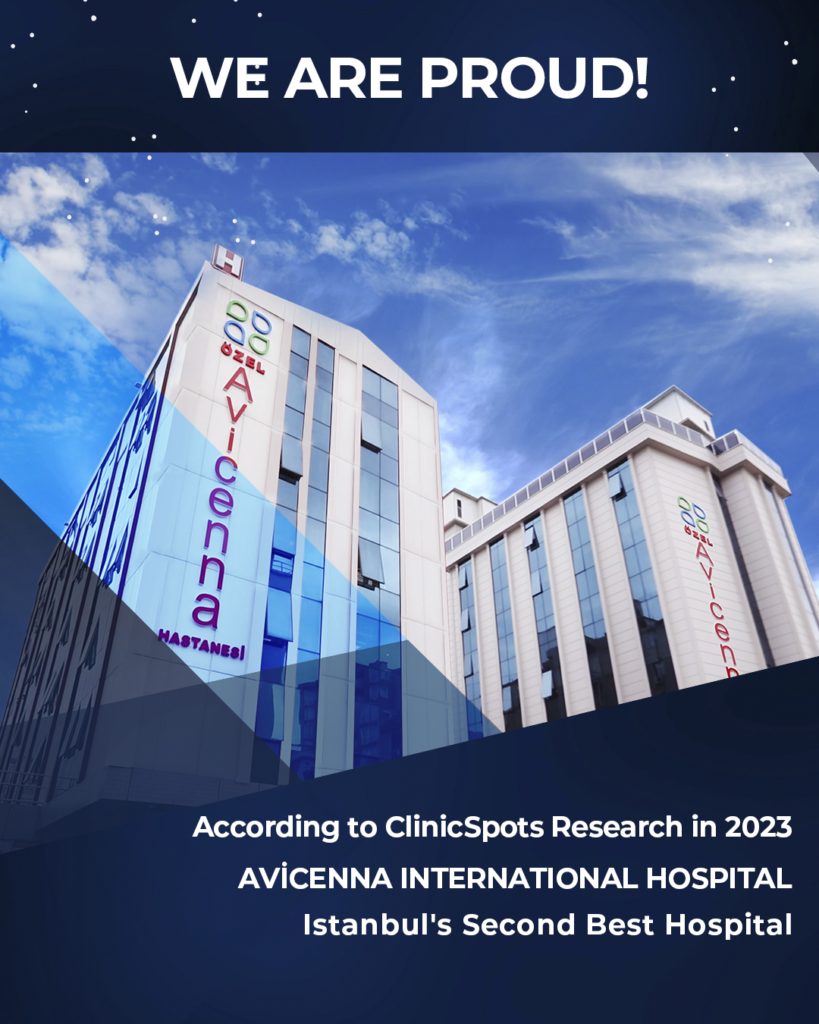
For international patients, Istanbul also provides an opportunity to combine specialized healthcare with enriching cultural experiences, allowing recovery to take place in a supportive and memorable environment. As part of Istanbul’s growing health tourism sector, Avicenna International Hospital contributes to this landscape by supporting patients seeking comprehensive medical care alongside a well-rounded treatment experience.
Choosing the right treatment starts with access to accurate information and experienced medical professionals. At Avicenna International Hospital, we support international patients with personalized healthcare in Turkey.
Breast lymphedema usually cannot be permanently cured, but it can often be successfully managed. Early treatment can significantly reduce swelling, improve comfort, and help prevent progression.
Lymphedema can develop weeks, months, or even years after treatment. Because the risk remains lifelong, ongoing awareness and monitoring are important.
You should seek medical assessment as soon as you notice swelling, heaviness, tightness, or changes in the breast, arm, or chest area. Early intervention generally leads to better outcomes and easier symptom control.