

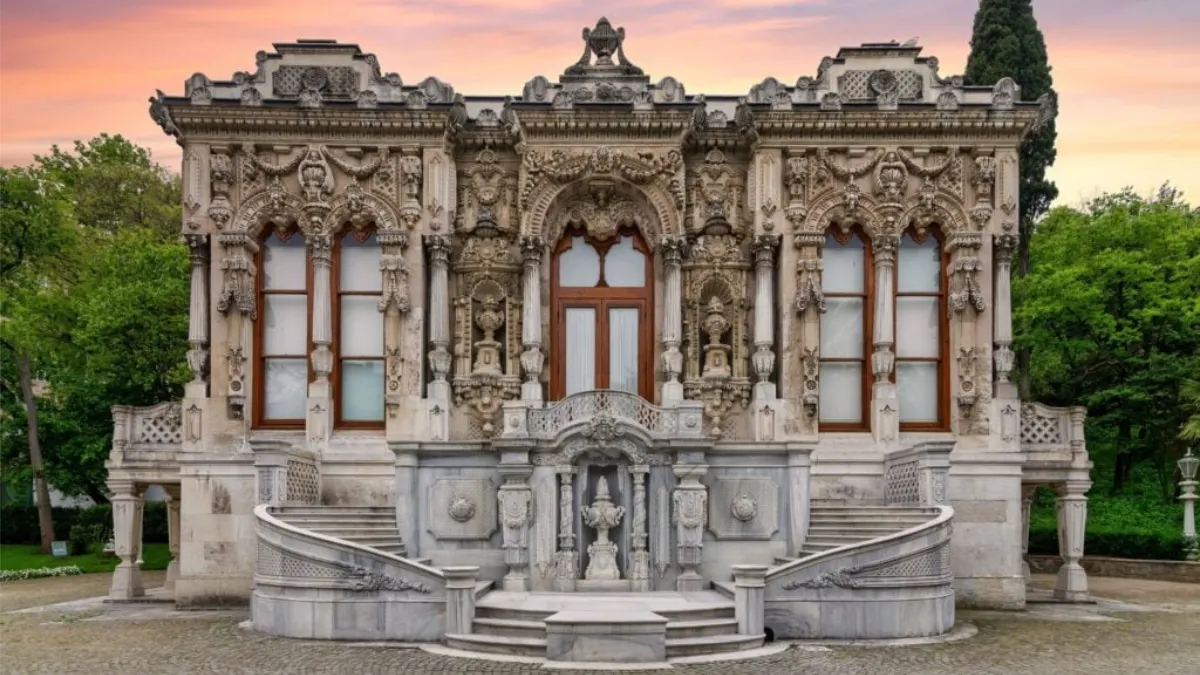
Nestled between Beşiktaş and Nişantaşı, the Ihlamur Pavilion is one of Istanbul’s most charming historical landmarks. Surrounded by peaceful gardens and fragrant linden trees, this former Ottoman imperial retreat offers visitors a quieter and more intimate experience than many of the city’s larger palaces. For travelers interested in history, architecture, and culture, it provides a fascinating glimpse into the lifestyle of the Ottoman court.
For international patients visiting Istanbul, the pavilion is also an ideal recovery-friendly destination. Its calm atmosphere, landscaped grounds, and manageable size make it suitable for those seeking gentle cultural experiences during their stay.
What Is Ihlamur Pavilion?
Ihlamur Pavilion is a 19th-century Ottoman imperial summer residence located in central Istanbul. Built between 1849 and 1855 during the reign of Sultan Abdülmecid I, the complex was designed by the renowned imperial architect Nigoğayos Balyan.
The name comes from the Turkish word “ıhlamur,” meaning “linden tree” in English, reflecting the many fragrant linden trees that surround the estate. Hidden within a green valley, the pavilion was created as a place of relaxation, official receptions, and royal leisure away from the main palace grounds.
Today, it operates as a museum complex managed by Turkey’s National Palaces administration and remains one of the city’s most refined examples of late Ottoman architecture.
The History of Ihlamur Pavilion
The history of Ihlamur Pavilion stretches back long before the construction of the buildings seen today. During the 18th century, the valley was known as Hacı Hüseyin Vineyards and served as a popular countryside retreat.
Over time, Ottoman sultans transformed the area into an imperial garden. The valley became associated with royal excursions, hunting activities, leisure gatherings, and even archery competitions during the reigns of Sultan Selim III and Sultan Mahmud II. Historic target stones from these competitions can still be found in the wider area.
When Sultan Abdülmecid I came to the throne, he commissioned the creation of the elegant pavilion complex that remains today. The site quickly became one of his favourite retreats, where he welcomed distinguished guests and spent time away from the formal atmosphere of larger imperial palaces.
Following the establishment of the Turkish Republic, the estate underwent several transformations before eventually opening to the public as a museum.
Architectural Highlights of Ihlamur Pavilion
Ihlamur Pavilion is celebrated for its blend of Ottoman, Neo-Baroque, and Rococo architectural influences. The complex occupies approximately 24,724 square meters of landscaped grounds enclosed by walls and decorative fencing.
The estate consists of two principal structures:
Ceremonial Pavilion (Merasim Köşkü)
The Ceremonial Pavilion is the architectural centerpiece of the estate. Its most recognizable feature is the grand Baroque staircase that leads visitors into richly decorated interiors.
Inside, visitors can admire:
- Ornate ceilings and decorative motifs
- European-inspired furnishings
- Elegant reception rooms
- Detailed marble carvings and reliefs
- Western-style decorative elements popular during the 19th century Ottoman period
Historically, this pavilion was used to host foreign diplomats, intellectuals, and distinguished visitors.
Retinue Pavilion (Maiyet Köşkü)
The Retinue Pavilion is smaller and more understated. It was traditionally used by members of the Sultan’s entourage and occasionally by the imperial harem.
The building reflects a more traditional Ottoman layout, featuring rooms arranged around a central hall. Its colorful stucco decorations were designed to resemble polished marble.
Today, the building functions as a welcoming café where visitors can relax after exploring the grounds.
Why Is Ihlamur Pavilion Worth Visiting?
Ihlamur Pavilion offers a quieter and less crowded palace experience compared with many of Istanbul’s major tourist attractions. While landmarks such as Dolmabahçe Palace attract large numbers of visitors, Ihlamur Pavilion provides a more peaceful setting.
Visitors often appreciate:
- Beautiful landscaped gardens
- Historic Ottoman architecture
- Seasonal flowers and magnolia trees
- Freely roaming peacocks
- Photogenic courtyards and fountains
- Relaxed atmosphere suitable for leisurely visits
The site is particularly appealing for those interested in Ottoman history but looking for a less overwhelming experience.
Ihlamur Pavilion Tickets and Visitor Information
Visitors can purchase either full museum access or garden-only tickets.
Current visitor information includes:
- Opening Hours: 09:00–17:30
- Closed: Mondays
- Last Entry: 17:00
Ticket options generally include:
- Full Museum and Garden Access
- Garden-Only Access
As ticket prices may occasionally change, visitors should verify current rates before travelling.
When Is the Best Time to Visit Ihlamur Pavilion?
Early morning visits offer the most peaceful experience. Arriving between 09:00 and 11:00 allows visitors to enjoy the gardens before larger crowds arrive.
Spring is widely considered the most beautiful season to visit. During this period, the magnolia trees bloom and the gardens become particularly colourful.
Wednesdays and Thursdays are often quieter than weekends, making them ideal for photography and relaxed sightseeing.
Is Ihlamur Pavilion a Wedding Venue?
Ihlamur Pavilion wedding photography is highly popular due to the estate’s elegant architecture and gardens. The historic setting creates a romantic backdrop for engagement shoots, wedding photographs, and special celebrations.
While the pavilion itself is primarily a heritage site, its picturesque grounds have made it one of Istanbul’s most admired locations for wedding photography.
What Other Historic Pavilions Can You Visit Nearby?
Several important Ottoman pavilions are located within easy reach of Ihlamur Pavilion.
Visitors interested in Ottoman architecture may also explore:
- Maslak Pavilion, known for its royal hunting lodge atmosphere and extensive gardens
- Dolmabahçe Crystal Pavilion, associated with the wider Dolmabahçe Palace complex
- Yıldız Palace and its historic pavilions
- Beylerbeyi Palace on the Asian side of Istanbul
Together, these sites provide a deeper understanding of Ottoman royal life during the 19th century.
Why Do International Patients Enjoy Visiting Ihlamur Pavilion?
Ihlamur Pavilion is well suited to international patients seeking gentle cultural experiences during their stay in Istanbul. Unlike more demanding tourist attractions, the site offers a calm environment where visitors can enjoy history, nature, and architecture without extensive walking.
Many health tourists appreciate the opportunity to combine medical treatment with meaningful cultural experiences. The pavilion’s tranquil gardens, shaded pathways, and relaxed atmosphere make it particularly attractive during recovery periods.
Its central location also allows easy access from many of Istanbul’s leading healthcare districts, museums, cafés, and cultural landmarks.
Conclusion
Ihlamur Pavilion remains one of Istanbul’s most elegant hidden treasures. Combining Ottoman history, refined architecture, peaceful gardens, and a fascinating royal legacy, it offers visitors an enriching cultural experience away from the city’s busiest tourist routes.
For international patients exploring Istanbul as part of their healthcare journey, attractions such as Ihlamur Pavilion demonstrate how the city successfully blends medical excellence with cultural discovery. Alongside institutions such as Avicenna International Hospital, visitors can experience both advanced healthcare services and the rich heritage that makes Istanbul one of the world’s most rewarding health tourism destinations.
Choosing the right treatment starts with access to accurate information and experienced medical professionals. At Avicenna International Hospital, we support international patients with personalized healthcare in Turkey.
Ihlamur means “linden tree” in English. The pavilion takes its name from the many fragrant linden trees that have historically grown throughout the valley and gardens.
Most visitors spend between one and two hours at Ihlamur Pavilion. This allows enough time to explore both pavilions, enjoy the gardens, take photographs, and relax at the café.
Yes, Ihlamur Pavilion is generally suitable for a gentle visit. Its compact layout, peaceful environment, and accessible pathways make it a comfortable cultural destination for many visitors seeking a relaxed sightseeing experience.