

Polyendocrine Metabolic Ovarian Syndrome (PMOS), formerly known as PCOS, is one of the most common hormonal conditions affecting women of reproductive age. It can influence menstrual cycles, fertility, weight management, skin health, insulin sensitivity, and long-term metabolic wellbeing. As awareness of PMOS continues to grow, many international patients are exploring PMOS treatment in Turkey due to the country’s combination of experienced specialists, modern healthcare facilities, and accessible treatment options.
For women seeking answers about irregular periods, fertility challenges, unwanted hair growth, acne, or insulin resistance, Turkey has become an increasingly popular destination for comprehensive PMOS assessment and management.
What Is PMOS?
PMOS is a hormonal and metabolic condition that affects multiple systems within the body. Unlike the older name PCOS, which focused mainly on the ovaries, PMOS better reflects the broader hormonal and metabolic nature of the condition.
The syndrome commonly involves:
- Irregular or absent ovulation
- Elevated androgen levels
- Metabolic disturbances such as insulin resistance
- Changes in ovarian function
- Fertility difficulties
- Weight-related health concerns
PMOS affects approximately one in eight women and can present very differently from one person to another. Some women experience only mild symptoms, while others face significant reproductive and metabolic challenges.
What Are the Symptoms of PMOS?
PMOS symptoms can develop during the teenage years or early adulthood and often vary in severity.
Common symptoms include:
- Irregular menstrual cycles
- Missed periods
- Difficulty becoming pregnant
- Excess facial or body hair growth
- Acne and oily skin
- Thinning hair or hair loss
- Weight gain
- Darkened skin patches
- Skin tags
- Fatigue and mood changes
Because symptoms overlap with other hormonal conditions, professional evaluation is essential before a diagnosis is confirmed.
How Is PMOS Diagnosed?
PMOS diagnosis is based on a combination of clinical assessment, medical history, laboratory investigations, and imaging studies.
A specialist will usually begin by reviewing menstrual patterns, symptoms, family history, weight changes, and overall health. Diagnostic investigations may include:
Blood Tests
Blood tests help assess hormone levels and metabolic health. They may evaluate:
- Testosterone and androgen levels
- Insulin function
- Blood glucose levels
- Cholesterol and triglycerides
- Thyroid function
- Other reproductive hormones
Pelvic Ultrasound
A pelvic ultrasound allows doctors to examine ovarian structure and assess whether polycystic ovarian morphology is present.
Additional Health Screening
Because PMOS is associated with broader health risks, patients may also undergo screening for:
- Type 2 diabetes
- Insulin resistance
- High blood pressure
- Sleep apnoea
- Anxiety and depression
- Cardiovascular risk factors
What Causes PMOS?
The exact cause of PMOS remains unclear, but research suggests a combination of genetic, hormonal, and metabolic factors.
Insulin resistance plays a particularly important role. Many women with PMOS produce higher levels of insulin because their bodies do not respond efficiently to it. Increased insulin levels can stimulate androgen production, which contributes to many PMOS symptoms.
Family history is also considered a significant risk factor, indicating a possible genetic component.
What Is the Best PMOS Treatment in Turkey?
There is no permanent cure for PMOS, but symptoms can often be managed very effectively through personalised treatment plans.
The best PMOS treatment in Turkey depends on the patient’s symptoms, reproductive goals, metabolic profile, and overall health.
Lifestyle and Weight Management
Lifestyle intervention is often the foundation of PMOS management.
Even modest weight reduction can improve hormonal balance and ovulation in many women. Specialists frequently recommend:
- Mediterranean-style nutrition plans
- Low-glycaemic dietary approaches
- Regular physical activity
- Strength training
- Weight management programmes
Improving insulin sensitivity through lifestyle changes can significantly reduce symptoms and improve fertility outcomes.
Hormonal Treatments
Hormonal medications are commonly used to regulate menstrual cycles and reduce androgen-related symptoms.
Treatment options may include:
- Combined oral contraceptive pills
- Progestin therapy
- Hormonal cycle regulation medications
These therapies can help manage irregular bleeding, acne, and unwanted hair growth while protecting long-term reproductive health.
Insulin Resistance Management
Insulin resistance is a major feature of PMOS for many women.
Medications such as metformin may be recommended to improve insulin sensitivity and support metabolic health. In suitable cases, newer metabolic treatments may also be considered under specialist supervision.
Treatment for Acne and Excess Hair Growth
Excess androgen activity can lead to acne and hirsutism.
Management options may include:
- Anti-androgen medications
- Prescription topical treatments
- Medical skincare programmes
- Laser hair removal
- Electrolysis
Combining medical therapy with cosmetic treatments often produces the most effective results.
Can PMOS Affect Fertility?
Yes, PMOS can affect fertility because irregular ovulation makes conception more difficult.
However, many women with PMOS successfully become pregnant with appropriate treatment.
Fertility-focused PMOS management may involve:
- Ovulation induction medications
- Metformin therapy
- Hormonal optimisation
- Fertility monitoring
- Assisted reproductive techniques
Treatment is tailored according to age, fertility goals, ovarian reserve, and overall reproductive health.
Is IVF Recommended for Women With PMOS?
IVF may be recommended when simpler fertility treatments have not been successful.
Women with PMOS often have a strong ovarian reserve, which can be advantageous during fertility treatment. However, stimulation protocols must be carefully planned to reduce the risk of ovarian hyperstimulation syndrome (OHSS).
Experienced fertility specialists in Turkey commonly use personalised IVF protocols designed specifically for women with PMOS.
Why Do International Patients Choose Turkey for PMOS Treatment?
Turkey has become a recognised destination for women’s health, fertility care, endocrinology, and medical tourism.
Patients often choose Turkey because of:
- Access to multidisciplinary specialists
- Modern diagnostic technologies
- Comprehensive fertility services
- Integrated endocrine and metabolic care
- Short waiting times
- International patient support services
Many patients combine medical consultations with a comfortable stay in Istanbul, allowing them to focus on both treatment and wellbeing.
What Can PMOS Patients Enjoy in Istanbul During Their Visit?
Istanbul offers many recovery-friendly experiences for international visitors.
Gentle cultural activities can provide a positive balance during medical travel, including visits to:
- Hagia Sophia
- Topkapi Palace
- Basilica Cistern
- Istanbul Archaeological Museums
Relaxing walks along the Bosphorus, quiet museum visits, and peaceful cafés can create a more enjoyable experience for patients travelling abroad for treatment.
Conclusion
PMOS is a complex hormonal and metabolic condition that requires personalized medical care rather than a one-size-fits-all approach. Effective management may include lifestyle modification, hormonal regulation, metabolic treatment, fertility support, and ongoing monitoring of long-term health risks.
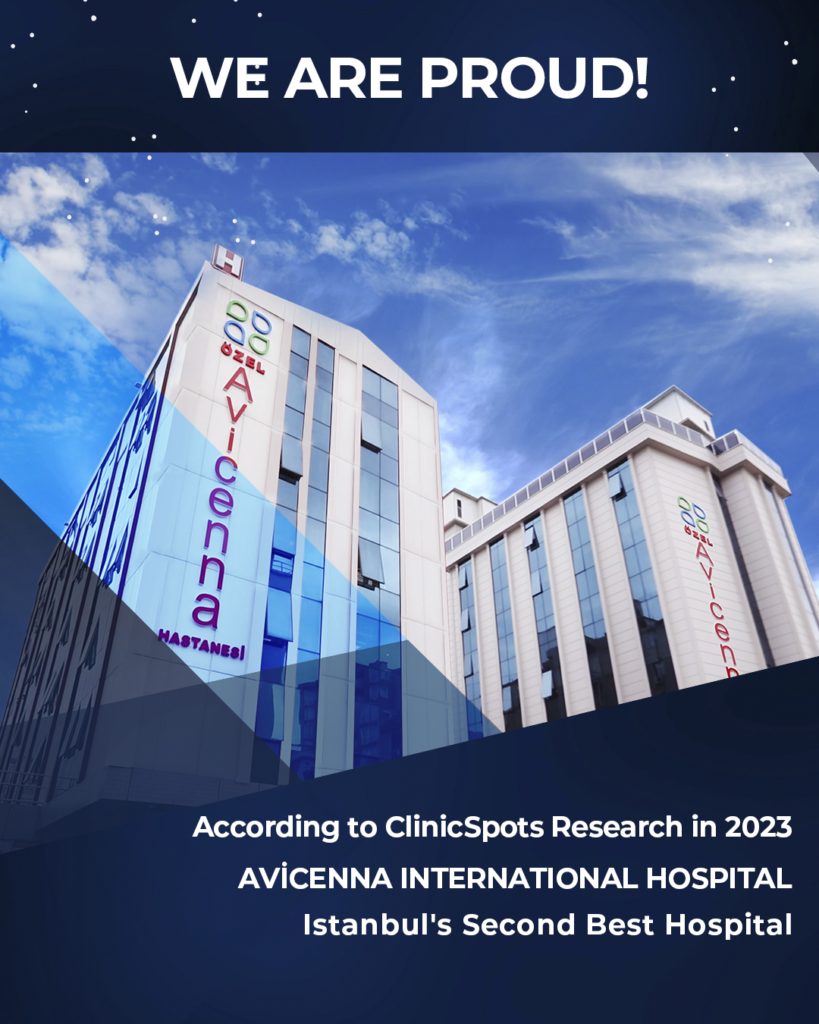
For international patients considering PMOS treatment in Turkey, Istanbul offers access to advanced healthcare alongside a rich cultural environment that can make the medical journey more comfortable and rewarding. Within Turkey’s growing health tourism sector, Avicenna International Hospital contributes to comprehensive women’s health services by supporting patients through diagnosis, treatment planning, fertility evaluation, and long-term PMOS management.
Choosing the right treatment starts with access to accurate information and experienced medical professionals. At Avicenna International Hospital, we support international patients with personalized healthcare in Turkey.
Yes. PMOS is the new medical term increasingly used for the condition previously known as PCOS. The updated name better reflects the hormonal and metabolic nature of the syndrome rather than focusing only on the ovaries.
No. PMOS does not currently have a permanent cure. However, symptoms can usually be managed successfully through lifestyle changes, medications, fertility treatments, and ongoing medical support.
Yes. Many women with PMOS conceive naturally. If ovulation is irregular or fertility difficulties occur, treatments such as ovulation induction medications or IVF can significantly improve the chances of pregnancy.