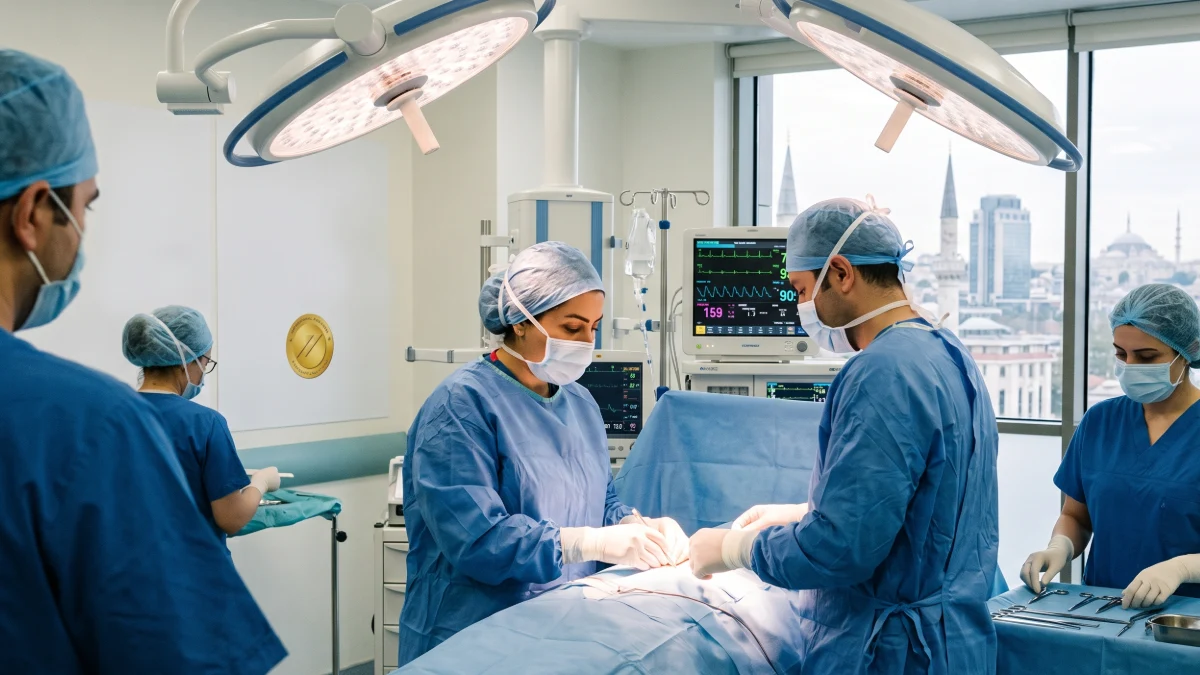
Safety isn’t determined by the country alone—it depends on where you receive care
For many people considering treatment abroad, one question comes before every other:
Is it actually safe to have surgery in Turkey?
It’s a reasonable concern. Travelling to another country for a medical procedure is a significant decision, and patients naturally want reassurance that they will receive high-quality care in a safe environment.
Turkey has become one of the world’s leading destinations for medical tourism, welcoming hundreds of thousands of international patients each year for treatments including orthopaedic surgery, bariatric procedures, cosmetic surgery, cardiology, oncology and fertility care. Modern hospitals, experienced specialists and competitive treatment costs have contributed to its growing international reputation.
However, the safety of surgery cannot be judged by a country’s reputation alone.
Just as hospitals differ within the UK, Germany or the United States, hospitals in Turkey also vary in their areas of expertise, facilities and patient services. The quality of your experience depends far more on choosing the right healthcare provider than on the destination itself.
Understanding what contributes to safe surgical care allows patients to make informed decisions based on evidence rather than assumptions.
Quick Answer
Yes, surgery in Turkey can be safe when performed at an experienced hospital with qualified specialists, appropriate medical infrastructure and established patient safety standards. Rather than asking whether surgery is safe in Turkey generally, a more useful question is whether the hospital you choose has the expertise, facilities and support needed for your specific treatment.
Why Turkey Has Become a Leading Destination for Surgery
Over the past two decades, Turkey has established itself as one of the most recognised destinations for international healthcare.
Patients travel for many different reasons. Some are looking for shorter waiting times, while others seek access to experienced specialists or more affordable treatment options without compromising medical quality.
Private hospitals in major cities such as Istanbul increasingly provide multidisciplinary care, advanced diagnostic imaging, modern operating theatres and dedicated international patient departments that support patients throughout their medical journey.
These developments have helped position Turkey as a destination capable of treating both routine procedures and complex medical conditions.
Nevertheless, no healthcare system is identical, and no hospital should be chosen simply because it is located in a particular country. Careful research remains essential.
1. Safe Surgery Begins with Choosing the Right Hospital
The quality of surgical care starts long before you enter an operating theatre.
An experienced hospital follows structured clinical pathways that begin with reviewing your medical history, evaluating diagnostic results and determining whether surgery is the most appropriate option for your condition.
This planning stage allows doctors to identify potential risks, recommend additional investigations where necessary and tailor treatment to your individual circumstances.
Hospitals that invest time in careful preparation are often better equipped to deliver safe, personalised care than providers offering identical treatment plans to every patient.
Expert Insight
One of the strongest indicators of patient safety is not the operation itself but the quality of the planning that takes place beforehand.
2. Experienced Specialists Make a Significant Difference
Every surgical procedure carries some level of risk, regardless of where it is performed.
One factor that can influence outcomes is the experience of the medical team carrying out the procedure.
Surgeons who regularly perform a particular operation are generally more familiar with its technical challenges, expected recovery process and potential complications. Equally important is the wider team supporting them, including anaesthetists, nurses, radiologists and other specialists involved in patient care.
Safe surgery is rarely the result of one individual. It is the product of a coordinated healthcare team working together before, during and after treatment.
3. Patient Safety Depends on More Than the Operation
Many people assume that safety is determined only by what happens in the operating room.
In reality, surgical safety extends across the entire patient journey.
Pre-operative assessment, infection prevention, anaesthesia management, postoperative monitoring and recovery planning all contribute to successful outcomes.
Hospitals with established protocols for these stages are often better prepared to identify concerns early and respond appropriately if unexpected situations arise.
Looking at the complete system of care provides a far more accurate picture of patient safety than focusing on the procedure alone.
4. Modern Medical Infrastructure Supports Better Clinical Decisions
Advanced technology cannot replace clinical expertise, but it can significantly improve decision-making.
Diagnostic imaging such as MRI and CT scans, modern pathology laboratories and well-equipped operating theatres allow medical teams to evaluate conditions more accurately and plan surgery with greater precision.
For patients, the value of medical technology lies not in the equipment itself but in how it contributes to diagnosis, treatment planning and recovery.
Hospitals that combine experienced clinicians with comprehensive medical infrastructure are often better positioned to provide coordinated care throughout the surgical process.
5. Clear Communication Is an Important Part of Patient Safety
When people think about surgical safety, they usually picture operating theatres, surgeons and medical equipment. Yet one of the biggest contributors to a positive patient experience is something much simpler: communication.
For international patients, clear communication reduces uncertainty at every stage of the journey. Understanding the diagnosis, knowing why a procedure has been recommended and having realistic expectations about recovery all help patients make informed decisions.
Hospitals that care for international patients should provide straightforward explanations, answer questions openly and ensure that patients understand both the benefits and potential risks of treatment before making a decision.
Good communication doesn’t just improve the patient experience—it also supports safer healthcare by helping patients actively participate in their own treatment.
6. Recovery Planning Is Part of Safe Surgery
Many patients naturally focus on the day of surgery. In reality, recovery begins the moment the procedure is finished.
A well-planned recovery programme reduces uncertainty, supports healing and allows potential concerns to be identified early. Depending on the procedure, this may include pain management, wound care, physiotherapy, nutritional guidance or scheduled follow-up appointments.
Expert Insight
One question is worth asking before you choose any hospital:
“What happens after my surgery?”
The answer often reveals just as much about the quality of care as the operation itself.
Before travelling, patients should understand:
- how long they are expected to remain in Turkey
- what recovery milestones they should expect
- who they can contact if they have questions after returning home
- whether online follow-up consultations are available
A hospital that plans for recovery from the beginning is usually planning for safer outcomes overall.
7. International Patient Services Help Reduce Risk
Travelling abroad for surgery involves practical challenges that go beyond healthcare.
Medical records need to be reviewed, appointments coordinated and travel arranged. Patients may also require assistance with accommodation, airport transfers or language support.
An experienced international patient department helps ensure these practical elements are organised efficiently, allowing patients to concentrate on their treatment rather than administrative details.
For many people, having one dedicated coordinator throughout the process provides reassurance and improves continuity of communication.
Although this may seem like a convenience, effective coordination can also contribute to a safer and less stressful healthcare experience.
8. Questions Every Patient Should Feel Comfortable Asking
Choosing a hospital should never feel like making a decision with incomplete information.
A reputable healthcare provider should welcome thoughtful questions and provide clear, honest answers.
Before committing to treatment, consider asking:
- How often does your team perform this procedure?
- Will my medical records be reviewed before I travel?
- What are the possible risks and complications?
- How will unexpected situations be managed?
- What support is available during recovery?
- Who can I contact after I return home?
If a provider is transparent about these topics, patients are usually in a much stronger position to make informed decisions.
Common Myths About Surgery in Turkey
Concerns about medical tourism are understandable, but some assumptions are based on misconceptions rather than evidence.
Myth: Surgery in Turkey Is Always Less Safe Than in Europe
The safety of surgery depends primarily on the hospital, medical team and treatment pathway rather than the country itself.
Just as healthcare providers vary within every nation, hospitals in Turkey differ in their expertise, infrastructure and patient services. Choosing an experienced hospital is far more important than making assumptions based on location alone.
Myth: Lower Prices Mean Lower Quality
Turkey often offers more affordable treatment because of differences in operating costs, exchange rates and the structure of the healthcare market.
Lower prices do not automatically indicate lower standards. Instead, patients should evaluate hospitals based on medical expertise, safety procedures, communication and the quality of care provided throughout the entire treatment journey.
Myth: Recovery Ends When You Leave the Hospital
Successful surgery does not finish with discharge.
Recovery continues at home, which is why follow-up care, medical guidance and ongoing communication remain important parts of the treatment process.
Hospitals that continue supporting patients after they return home often demonstrate a stronger commitment to continuity of care.
A Safety Checklist Before Choosing a Hospital
If you’re considering surgery in Turkey, ask yourself the following questions before making a decision.
- Does the hospital regularly perform my procedure?
- Have my medical records been reviewed before travel?
- Do I understand both the benefits and potential risks of treatment?
- Will experienced specialists manage my care throughout the process?
- Does the hospital have appropriate diagnostic and emergency facilities?
- Is there a clear recovery and follow-up plan?
- Do I know who to contact if I need support after returning home?
Being able to answer these questions confidently often provides a stronger indication of safety than relying solely on online reviews or marketing claims.
Making an Informed Decision About Surgery in Turkey
Choosing to have surgery abroad is an important decision, and it’s natural to have questions about safety.
The good news is that patients can significantly reduce uncertainty by taking time to research carefully, compare providers and understand how their treatment will be managed from beginning to end.
Rather than asking whether surgery is safe in Turkey as a whole, focus on evaluating the individual hospital, its medical team and the systems it has in place to support patient safety.
The safest decision is usually the one based on clear information, realistic expectations and confidence in the healthcare provider you choose.
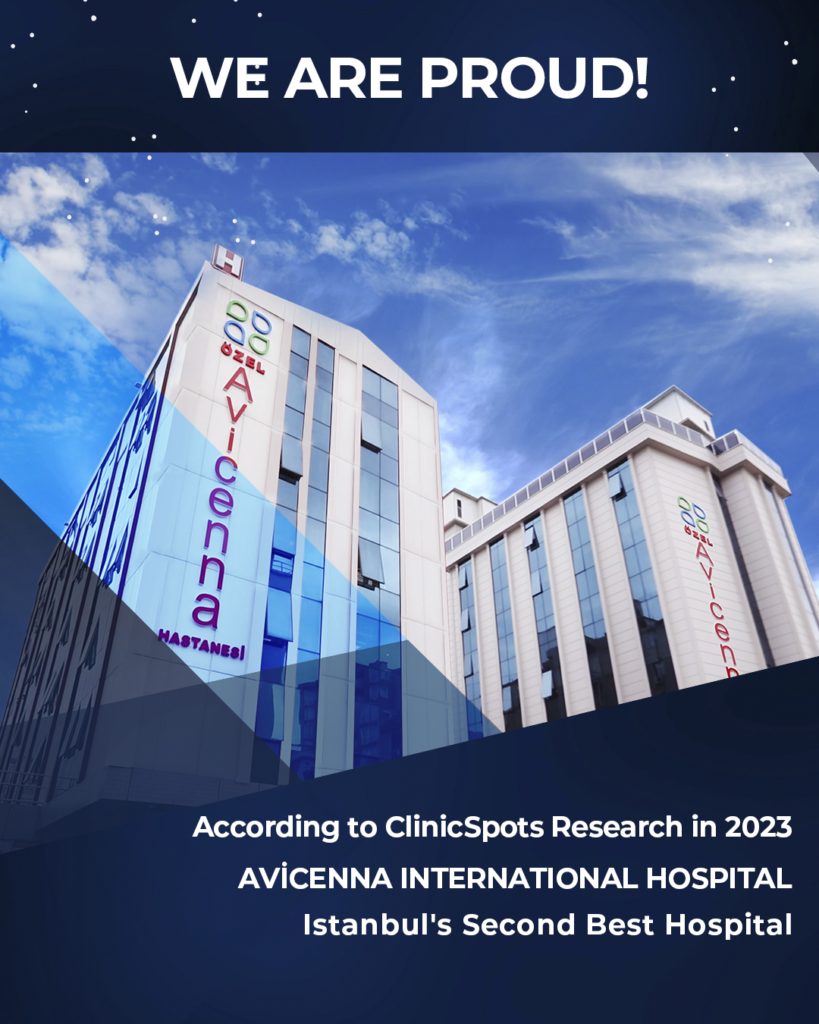
Supporting International Patients at Avicenna International Hospital
For international patients, safe surgical care involves much more than the procedure itself. Careful planning, clear communication and coordinated support all contribute to a positive healthcare experience.
At Avicenna International Hospital, every patient’s journey begins with an individual assessment. Medical records are reviewed before travel whenever appropriate, treatment plans are tailored to each patient’s needs, and dedicated international patient coordinators help guide patients through every stage of the process.
By combining experienced multidisciplinary teams, modern medical infrastructure and comprehensive follow-up support, Avicenna International Hospital aims to provide healthcare that prioritises both clinical quality and patient confidence from the first consultation through recovery.
Choosing the right treatment starts with access to accurate information and experienced medical professionals. At Avicenna International Hospital, we support international patients with personalised healthcare in Turkey.
Yes, surgery in Turkey can be safe when you choose an experienced hospital with qualified specialists, modern medical infrastructure and well-established patient safety procedures. The quality of care depends far more on the individual healthcare provider than on the country itself.
Look beyond price and online reviews. Evaluate the hospital’s experience with your treatment, specialist expertise, patient safety standards, recovery planning, follow-up care and support for international patients before making a decision.
Treatment costs in Turkey are often lower because of differences in operating costs and economic factors rather than medical quality alone. Patients should compare the overall value of care, including diagnostics, recovery support and follow-up services, instead of focusing solely on price.
Ask about the hospital’s experience, your personalised treatment plan, possible risks, recovery process and follow-up care. Clear answers to these questions will help you make a more informed decision and better understand your healthcare journey.
Recovery often continues after you leave Turkey. Many hospitals provide medical reports, recovery guidance and remote follow-up consultations to help patients continue healing and maintain communication with their healthcare team.