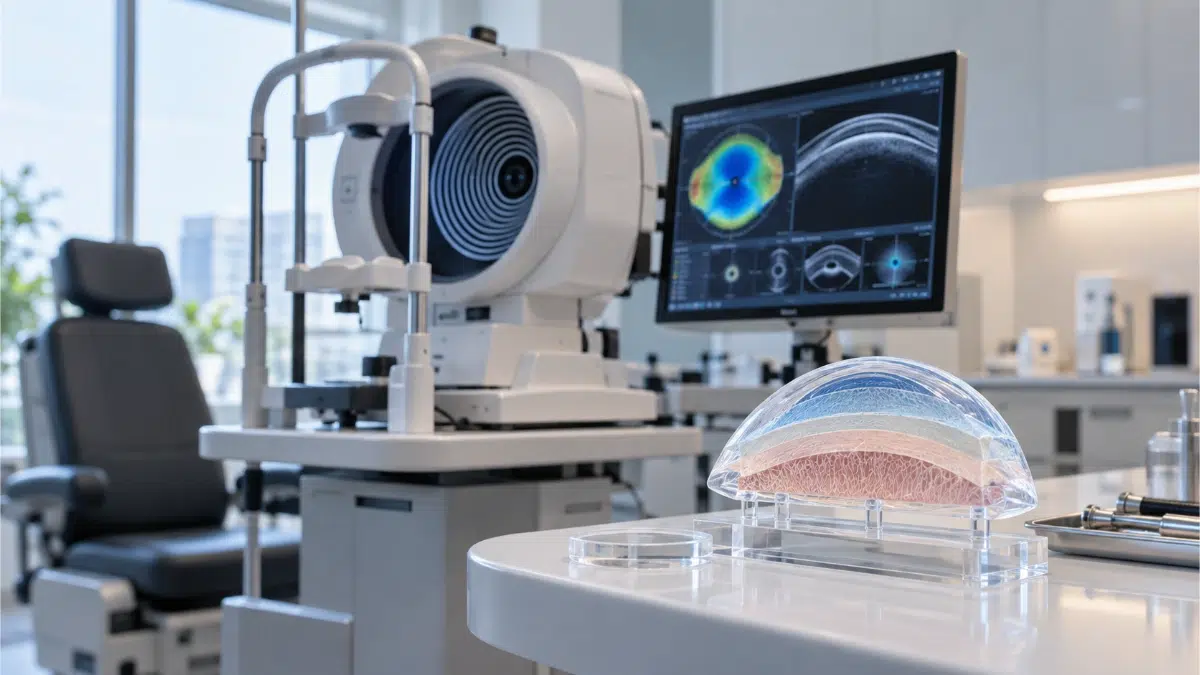


Your choice of hospital can influence every stage of your treatment journey
Planning medical treatment abroad involves far more than booking a procedure. Long before you arrive in Turkey, one decision will shape almost every part of your healthcare experience: choosing the right hospital.
With so many hospitals promoting modern facilities, experienced specialists and competitive prices, it can be difficult to know which provider is genuinely the best fit for your needs. Looking at cost alone rarely tells the full story, and even patient reviews offer only part of the picture.
The right hospital is not simply the one with the biggest name or the lowest price. It is the one with the expertise, facilities and support to manage your condition safely—from your first consultation through recovery and follow-up.
Whether you are considering orthopaedic surgery, cancer treatment, fertility care or another specialised procedure, taking time to compare hospitals carefully can make a meaningful difference to your overall experience.
Quick Answer
The best hospital in Turkey is the one that matches your specific medical needs. Rather than focusing on price or reputation alone, consider the hospital’s experience in your treatment area, the expertise of its specialists, patient safety standards, available technology, recovery planning and support for international patients. Looking at these factors together provides a much clearer picture of the quality of care you can expect.
Why Choosing the Right Hospital Matters
Every patient’s situation is different.
Someone travelling for a routine consultation has very different needs from someone preparing for joint replacement, bariatric surgery or cancer treatment. This is why there is no single hospital that can be described as “the best” for everyone.
Instead, the goal should be to find the provider that is best equipped to manage your condition.
A hospital that combines experienced specialists, coordinated medical teams and comprehensive patient support is often better prepared to deliver safe, personalised care throughout the entire treatment process.
Before comparing hospitals, it helps to change the question you’re asking.
Instead of wondering,
“Which hospital has the best reputation?”
ask,
“Which hospital is best prepared to treat my condition and support me from diagnosis to recovery?”
That small change in perspective often leads to a much better decision.
1. Look for Experience in Your Specific Treatment
Hospitals rarely specialise in every area of medicine equally.
Some are particularly experienced in orthopaedic surgery, while others focus on oncology, fertility treatment, cardiovascular care or plastic surgery. Choosing a hospital that regularly performs your procedure often provides greater confidence than relying solely on general reputation.
Experience influences far more than the operation itself. It shapes treatment planning, communication between specialists and the ability to recognise and manage situations that may arise before or after treatment.
Expert Insight
A hospital’s overall reputation is important, but experience within your specific medical speciality is usually a stronger indicator of the care you are likely to receive.
2. Remember That Healthcare Is a Team Effort
Patients naturally spend a great deal of time researching surgeons, and understandably so. However, successful treatment depends on much more than one doctor.
Behind every procedure is a multidisciplinary team that may include radiologists, anaesthetists, pathologists, specialist nurses, physiotherapists and rehabilitation professionals. Each contributes different expertise at different stages of your care.
When these teams work together effectively, decisions are often better coordinated and patients benefit from a more seamless treatment experience.
Rather than evaluating a hospital based only on the consultant you will meet, consider the strength of the entire healthcare team supporting your treatment.
3. Medical Infrastructure Matters More Than Many Patients Realise
It’s easy to focus on visible features such as modern buildings or advanced equipment. What matters far more is how those resources are used to support patient care.
Comprehensive hospitals typically combine advanced diagnostic imaging, operating theatres, intensive care units, pathology laboratories and rehabilitation services within a single healthcare system. This allows investigations, treatment and recovery to be coordinated more efficiently when required.
Most patients will never need every available service. Nevertheless, knowing those resources are immediately accessible if circumstances change provides valuable reassurance throughout the treatment journey.
The real strength of medical infrastructure lies in its ability to support clinical decision-making—not simply in the technology itself.
4. Pay Attention to How Your Treatment Is Planned
High-quality treatment rarely begins on the day you arrive at the hospital.
In many cases, doctors review medical records, imaging studies and previous test results before recommending a treatment plan. This early assessment helps determine whether further investigations are needed and whether the proposed procedure is the most appropriate option.
Hospitals that invest time in treatment planning are often better positioned to provide personalised care because recommendations are based on your individual medical history rather than a standard treatment pathway.
Before making a decision, ask whether your medical records will be reviewed before you travel, whether online consultations are available and who will explain your treatment plan in detail.
The answers often reveal a great deal about the way a hospital approaches patient care.
5. Good Communication Is Just as Important as Good Medicine
For international patients, travelling abroad involves practical challenges alongside medical ones.
Appointments need to be coordinated, medical documents translated, travel organised and questions answered before treatment even begins.
This is where an experienced international patient department can make a significant difference.
Having one dedicated point of contact throughout your journey not only simplifies communication but also helps reduce uncertainty at a time when patients often have many questions.
Clear communication builds confidence long before treatment starts.
6. Never Let Price Be the Only Deciding Factor
One reason Turkey has become a leading destination for medical tourism is the opportunity to receive high-quality healthcare at a lower cost than in many other countries.
That affordability is a genuine advantage—but it should never outweigh medical considerations.
Two treatment packages may appear similar on paper while offering very different levels of support. One may include detailed diagnostic assessment, recovery planning and structured follow-up, while another focuses only on the procedure itself.
Instead of asking,
“Which option costs less?”
Consider asking,
“Which option provides the safest and most complete care?”
Looking at overall value rather than price alone often leads to a better long-term decision.
7. Understand How Technology Supports Better Care
Modern healthcare is often associated with advanced equipment, but technology alone does not guarantee better outcomes.
The real benefit of technologies such as MRI, CT imaging, digital pathology and modern operating theatres is that they help clinicians make better decisions. Accurate imaging can confirm a diagnosis, detailed pathology can influence treatment planning, and advanced surgical equipment can improve precision during complex procedures.
For patients, the important question is not simply whether a hospital has the latest technology but how that technology contributes to safer, more personalised care.
Hospitals that combine experienced specialists with modern diagnostic and surgical capabilities are often better positioned to adapt treatment to each patient’s individual needs.
8. Don’t Overlook Recovery and Follow-up
It’s natural to focus on the procedure itself. After all, that’s the reason you’re travelling for treatment.
Yet many healthcare professionals would argue that recovery is just as important as the operation.
The days and weeks after treatment are when your body heals, medications are adjusted, and progress is monitored. Depending on the procedure, you may need physiotherapy, nutritional advice, wound care or follow-up imaging before returning to your normal routine.
Expert Insight
One of the simplest ways to assess a hospital is to ask what happens after your treatment. Providers that have a clear recovery plan are often just as organised before and during treatment.
Before choosing a hospital, consider asking:
- How long should I remain in Turkey after treatment?
- Will I receive written medical reports before travelling home?
- Are online follow-up consultations available?
- Who should I contact if I have concerns during recovery?
These practical questions often reveal how committed a hospital is to supporting patients beyond the operating theatre.
9. Reputation Is Built on More Than Reviews
Patient reviews can provide valuable insights, but they tell only one part of the story.
One person’s experience may be shaped by expectations, communication or circumstances that are completely different from your own. Reviews rarely explain the quality of diagnosis, treatment planning or the expertise of the wider medical team.
A more balanced approach is to consider reviews alongside other indicators, including:
- experience in your treatment area
- transparent communication
- multidisciplinary care
- recovery and follow-up support
- the hospital’s willingness to answer your questions before treatment
Trust is built over time through consistent patient care, not through marketing claims or online ratings alone.
10. Choose a Hospital That Supports the Entire Patient Journey
Medical treatment is not a single event. It is a process that begins long before you arrive in Turkey and continues after you return home.
The strongest healthcare providers recognise this and support patients throughout every stage of their journey—from reviewing medical records and confirming a diagnosis to treatment planning, surgery, recovery and follow-up.
This coordinated approach is particularly valuable for international patients, who often need clear communication and ongoing support while navigating an unfamiliar healthcare system.
When comparing hospitals, think beyond the procedure itself. Consider how each provider will guide you through the complete experience.
Common Mistakes International Patients Make
Even patients who research carefully can overlook important details when choosing a hospital.
Recognising these common mistakes can help you make a more confident and informed decision.
Choosing Based Solely on Price
Affordable healthcare is one of Turkey’s greatest strengths, but the lowest price is not always the best choice.
Treatment packages can differ significantly in what they include. Diagnostic tests, recovery planning, follow-up care and patient support may all vary between providers.
Comparing overall value rather than cost alone usually leads to a more informed decision.
Assuming Every Hospital Offers the Same Expertise
Hospitals often have recognised strengths in particular specialities.
Choosing a provider with extensive experience in your specific treatment is generally more valuable than selecting one simply because it is large or well known.
Ignoring Recovery Planning
Patients frequently spend weeks comparing surgeons and procedures but only minutes thinking about recovery.
Before committing to treatment, make sure you understand how your recovery will be managed, what support will be available after discharge and how communication will continue once you return home.
Depending Entirely on Online Reviews
Reviews are useful, but they should support—not replace—your own research.
Looking at clinical expertise, communication, infrastructure and treatment planning alongside patient feedback provides a far more complete picture of the quality of care.
A Practical Checklist Before You Decide
- Before choosing a hospital, ask yourself these questions.
- Does this hospital regularly perform the treatment I need?
- Will my medical records be reviewed before I travel?
- Is my treatment plan tailored to my individual condition?
- Will different specialists be involved if necessary?
- Does the hospital have the facilities required for my treatment and recovery?
- How will my recovery be monitored?
- Will I receive support after returning home?
- Do I feel confident in the information and communication I’ve received?
If most of these questions can be answered positively, you’re likely evaluating hospitals based on the factors that matter most.
Making an Informed Choice
Choosing a hospital in Turkey is not about finding the biggest building or the lowest price.
It is about finding a healthcare provider that combines medical expertise, thoughtful treatment planning, patient safety and coordinated care.
Taking time to ask questions, compare providers carefully and understand the complete treatment journey can make a significant difference to your overall experience.
The best hospital is ultimately the one that gives you confidence—not only in the procedure itself but also in the care you will receive before, during and after treatment.
Supporting International Patients at Avicenna International Hospital
For international patients, travelling abroad for healthcare involves far more than medical treatment alone. Clear communication, careful planning and reliable support are just as important as clinical expertise.
At Avicenna International Hospital, international patient care is designed around the entire treatment journey. From reviewing medical records before travel and coordinating specialist consultations to providing personalised treatment plans, recovery guidance and follow-up support, the focus is on helping patients feel informed and supported at every stage.
By combining multidisciplinary medical expertise with modern healthcare infrastructure and dedicated international patient services, Avicenna International Hospital aims to provide coordinated care tailored to each patient’s individual needs.
The best hospital is the one that matches your medical needs, not simply the one with the strongest reputation. Look for experience in your treatment area, qualified specialists, modern medical infrastructure, patient safety standards and comprehensive recovery support before making your decision.
Yes. Turkey has become one of the world’s leading destinations for medical tourism, offering experienced specialists, modern hospitals and a wide range of treatments across multiple medical specialities. Choosing the right provider for your condition remains the most important factor.
It depends on your treatment. Clinics are often appropriate for consultations and minor outpatient procedures, while hospitals are generally better suited to surgery, complex conditions and treatments requiring multidisciplinary care or inpatient recovery.
Recovery continues long after the procedure has finished. A structured follow-up plan allows patients to receive ongoing guidance, monitor their progress and communicate with their medical team after returning home, helping to maintain continuity of care.