

Choosing the right healthcare provider is about more than where your treatment takes place
Travelling abroad for medical treatment involves far more than selecting a destination or comparing prices. One of the most important decisions you’ll make is whether your treatment is better suited to a hospital or a clinic. If you’re searching for information about hospitals vs clinics in Turkey, it’s important to understand how both provide healthcare services, as they are designed for different levels of medical care, and understanding that distinction can help you make a safer and more informed decision. When considering a hospital vs a clinic in Turkey, being aware of the differences will ensure you choose the right care for your needs.
For routine consultations, health screenings and minor outpatient procedures, a specialist clinic may be the ideal choice. However, if your treatment involves surgery, general anaesthesia, advanced diagnostics or the possibility of complications, a full-service hospital generally provides a broader range of medical resources and support.
For international patients, this decision is even more significant. Choosing a healthcare provider means choosing the team that will guide your diagnosis, treatment, recovery and follow-up—often while you are far from home.
Quick Answer
Hospitals and clinics each have an important role in healthcare, but they are not interchangeable. Clinics are well suited to consultations and selected outpatient treatments, while hospitals are generally the preferred choice for surgery, complex medical conditions and treatments requiring multidisciplinary care, advanced technology or inpatient recovery. The best option depends on the complexity of your condition rather than the location itself.
Hospital or Clinic: Which Should You Choose?
Many articles simply explain what a hospital is and what a clinic is. While that’s useful, it doesn’t answer the question most patients are really asking.
The better question is the following:
Which healthcare environment is most appropriate for my treatment?
A patient travelling for a routine dermatology consultation has very different needs from someone undergoing knee replacement, bariatric surgery or cancer treatment. Rather than focusing on whether one type of provider is universally better, patients should consider whether the available expertise, facilities and support match the demands of their individual treatment.
A Simple Decision Guide
In general, a hospital is likely to be the better option if:
- Your treatment requires surgery.
- General anaesthesia will be used.
- You may need to stay overnight.
- Your condition involves several medical specialities.
- Advanced imaging or laboratory investigations are required.
- Your treatment carries a higher risk of complications.
- Recovery and follow-up require ongoing medical supervision.
A clinic may be suitable if:
- You need a consultation or a second opinion.
- Your procedure is minimally invasive.
- No hospital admission is expected.
- Recovery takes place at home on the same day.
- Your condition is straightforward and low risk.
This simple framework reflects how many healthcare professionals assess the most appropriate setting for treatment.
Understanding the Difference
Although hospitals and clinics both provide medical care, their purpose and capabilities are different.
Clinics primarily focus on outpatient medicine. Patients are examined, treated or advised before returning home the same day. Many clinics specialise in a particular field, such as dermatology, dentistry, ophthalmology or fertility medicine.
Hospitals provide a broader healthcare environment. In addition to consultations, they typically offer operating theatres, inpatient wards, intensive care, emergency medicine, advanced diagnostic imaging, laboratory services, rehabilitation and coordinated treatment involving multiple specialists.
The difference is not simply one of size—it is the level of medical support available if additional care becomes necessary.
Hospital vs Clinic: Key Difference
| Feature | Hospital | Clinic |
|---|---|---|
| Surgery | Major and minor procedures | Usually minor procedures |
| Hospital admission | Available | Usually unavailable |
| Intensive care | Available | Usually unavailable |
| Emergency support | Available | Limited |
| MRI and CT imaging | Usually available | May be outsourced |
| Laboratory services | On-site | Often limited |
| Multidisciplinary care | Yes | Usually one specialty |
| Follow-up coordination | Comprehensive | Depends on the provider |
Why Infrastructure Matters
Many patients compare providers based on price, location or online reviews. While these factors matter, they don’t always reflect the quality or scope of medical care.
The real advantage of a hospital often lies in what patients hope they will never need.
Unexpected situations—such as additional investigations, changes during surgery or postoperative complications—may require immediate access to imaging, laboratory medicine, intensive care or specialist teams. A hospital is designed to provide these services within one coordinated system.
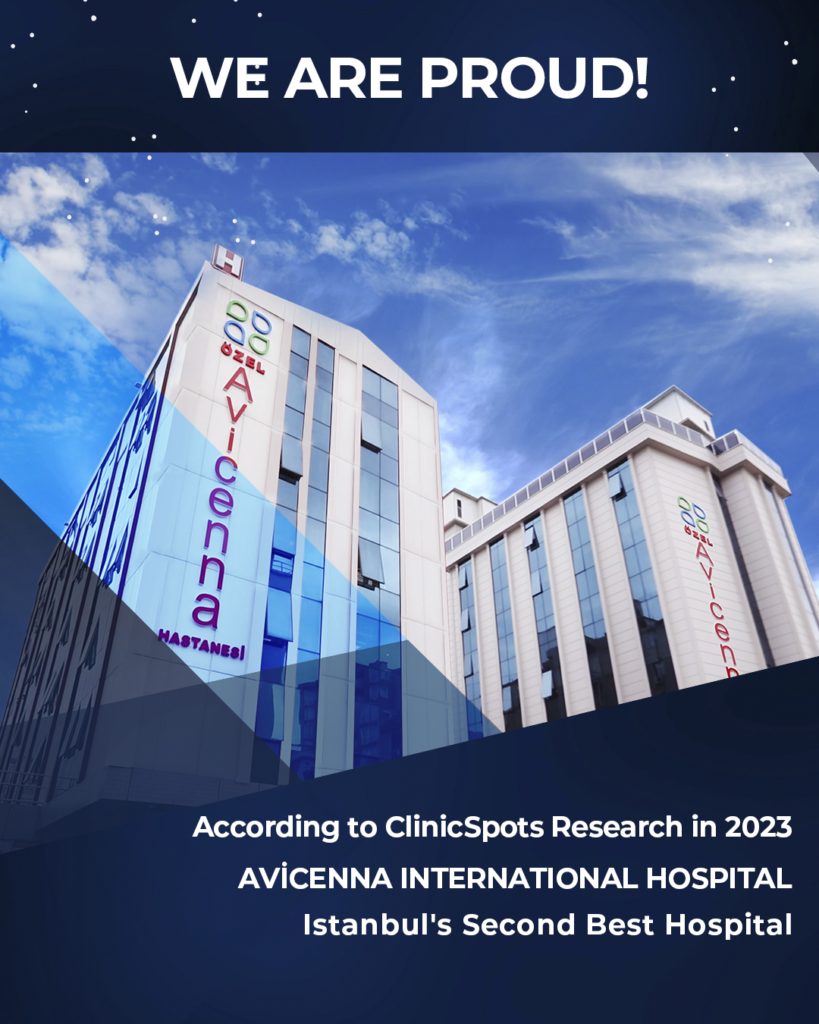
At Avicenna International Hospital, patients benefit from a comprehensive hospital environment where diagnostic imaging, laboratory services, operating theatres and inpatient care are available within the same institution. This integrated infrastructure allows medical teams to respond quickly if additional investigations or postoperative care become necessary.
For planned surgery, this broader infrastructure can offer reassurance as well as practical clinical benefits.
Healthcare Is a Journey, Not Just a Procedure
One of the biggest misconceptions in medical tourism is that treatment begins on the day of surgery.
In reality, successful care starts much earlier.
Your medical records may need to be reviewed before you travel. Imaging might be reassessed, treatment options discussed during an online consultation and additional tests organised before surgery.
Recovery continues after the procedure through medication, wound care, rehabilitation and follow-up consultations.
The operation itself is only one stage of the patient journey.
Understanding this helps patients evaluate healthcare providers based on the complete experience rather than a single procedure.
Why Hospitals Are Often Preferred for Complex Treatment
The more complex a treatment becomes, the more important the surrounding healthcare environment becomes.
Consider procedures such as:
- Joint replacement
- Bariatric surgery
- Cancer treatment
- Cardiac surgery
- Neurosurgery
These treatments involve much more than an operation.
Patients may require advanced diagnostics, anaesthesia, postoperative monitoring, physiotherapy, laboratory medicine and coordinated follow-up. Rather than relying on a single doctor, care is delivered by teams of professionals working together.
This collaborative model—known as multidisciplinary care—helps ensure that treatment decisions consider every aspect of the patient’s condition.
At Avicenna International Hospital, complex cases are evaluated by specialists from relevant departments whenever multidisciplinary assessment is required, helping ensure coordinated treatment planning throughout the patient’s journey.
Complex healthcare is increasingly a team effort rather than the responsibility of one specialist alone.
Technology Should Support Better Decisions
Modern healthcare is often associated with advanced equipment, but technology is valuable only when it improves clinical decision-making.
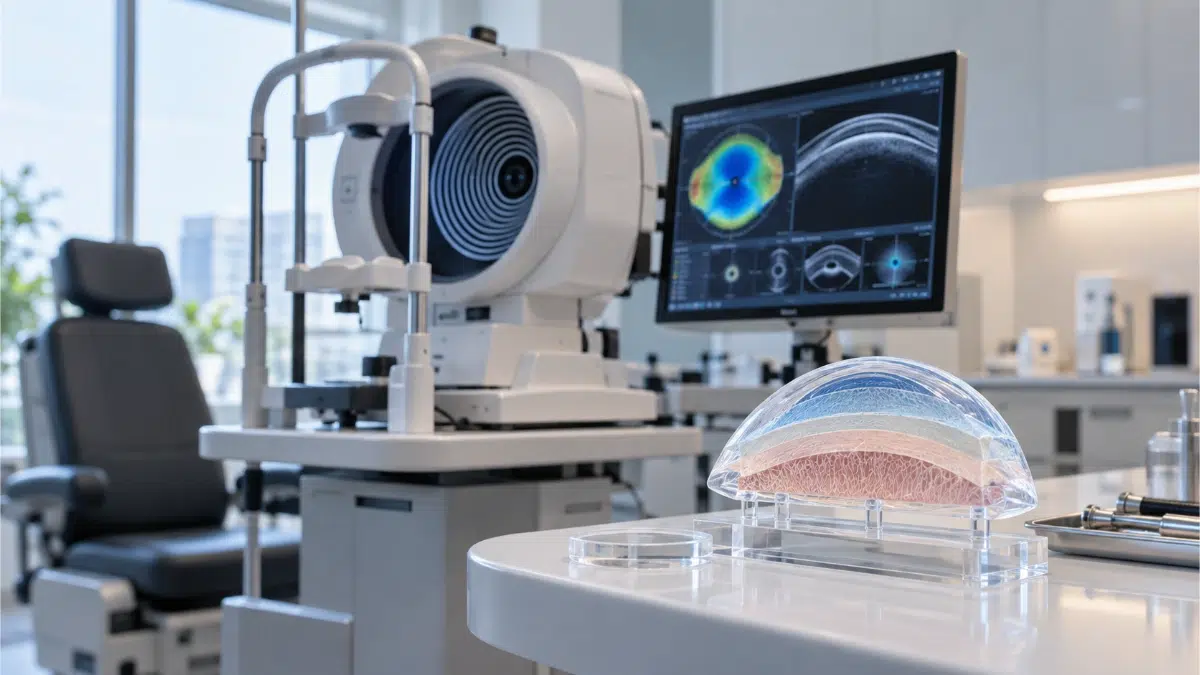
MRI scans, CT imaging, pathology laboratories and robotic surgical systems help clinicians diagnose conditions more accurately, plan procedures more precisely and monitor recovery more effectively.
Patients should therefore look beyond whether a provider owns advanced equipment and ask how those resources contribute to safer, more personalised treatment.
These diagnostic and treatment resources are available within Avicenna International Hospital to support accurate diagnosis, treatment planning and postoperative monitoring when clinically appropriate.
Technology should support medical judgement—not replace it.
Why Recovery and Follow-up Matter
Choosing the right healthcare provider is not only about the procedure itself. Recovery often has an equally important influence on the outcome.
Following surgery, patients may need wound care, medication adjustments, physiotherapy, nutritional guidance, additional imaging or routine medical reviews. These stages help ensure that recovery progresses as expected and that any concerns are identified early.
For patients travelling abroad, planning for recovery is just as important as planning for treatment. Before choosing a provider, it is worth asking how postoperative care will be organised, whether remote follow-up consultations are available and how communication will continue after returning home.
At Avicenna International Hospital, international patients receive coordinated support before treatment, during recovery and after returning home through planned follow-up communication whenever appropriate.
A well-planned recovery pathway provides reassurance and supports continuity of care long after the procedure has been completed.
What Happens If Something Unexpected Occurs?
No medical procedure is completely risk-free. Even routine operations carry a little possibility of unexpected findings or complications.
This does not mean patients should be concerned unnecessarily. Rather, it highlights the importance of choosing a healthcare environment that is prepared to respond if circumstances change.
For more complex procedures, hospitals typically offer immediate access to emergency medicine, intensive care, advanced imaging, laboratory services and specialists from multiple disciplines. These resources may never be required, but their availability forms an important part of patient safety.
When comparing providers, it is often useful to ask not only how treatment is performed, but also how unexpected situations are managed.
Real Patient Scenarios
Understanding the difference between hospitals and clinics becomes easier when viewed through practical examples.
Knee Replacement Surgery
Joint replacement involves detailed imaging, surgery under general anaesthesia, postoperative rehabilitation and structured follow-up. Because several stages of care are involved, treatment is generally better supported within a hospital environment.
Bariatric Surgery
Weight-loss surgery is more than an operation. Patients often require assessment by surgeons, anaesthetists, dietitians and other specialists before treatment, followed by long-term nutritional support. This coordinated approach is commonly provided within hospitals.
Routine Dermatology Consultation
A patient seeking advice about a skin condition or requiring a minor outpatient procedure may receive excellent care in a specialist clinic without the need for hospital admission.
These examples illustrate an important principle:
The complexity of the treatment—not the popularity of the provider—should guide the decision.
Questions to Ask Before Choosing Any Healthcare Provider
Whether you choose a hospital or a clinic, asking the right questions before treatment can help you make a more informed decision.
Consider asking:
- Is this the most appropriate setting for my treatment?
- Who will review my medical records before I travel?
- Will my treatment plan be personalised?
- Who coordinates my appointments and communication?
- What happens if additional investigations become necessary?
- How is recovery monitored after treatment?
- What follow-up support is available once I return home?
These questions encourage meaningful conversations and often provide a clearer picture of the quality and organisation of care than marketing claims alone.
A Practical Decision Checklist
Before making your final decision, consider whether your chosen provider offers:
| Question | Why It Matters |
|---|---|
| Personalised treatment planning | Every patient has different medical needs. |
| Access to multiple specialists | Important for complex conditions. |
| Advanced imaging and diagnostics | Supports accurate diagnosis and treatment planning. |
| Emergency support if required | Adds reassurance during higher-risk procedures. |
| A clear recovery plan | Helps patients understand what to expect after treatment. |
| Follow-up after returning home | Supports continuity of care. |
| Dedicated international patient coordination | Simplifies communication before, during and after treatment. |
A provider who can confidently answer these questions is often well-positioned to deliver coordinated care throughout the patient’s medical journey.
Choosing the Right Provider in Turkey
Turkey has become one of the world’s leading destinations for medical tourism, offering a wide range of hospitals and specialist clinics across many medical fields.
Rather than focusing solely on treatment costs or online reviews, patients should evaluate providers based on the quality of medical care, the expertise of the healthcare team, available technology, patient safety standards and the support offered throughout the treatment journey.
The best healthcare provider is not necessarily the largest or the most widely advertised. It is the one that offers the right level of expertise, infrastructure and continuity of care for your individual medical needs.
Supporting International Patients Throughout Their Journey
For international patients, travelling abroad for treatment involves more than receiving medical care. It requires careful planning, clear communication and confidence that support will continue throughout the entire process.
At Avicenna International Hospital, patients receive care within a comprehensive hospital environment that brings together experienced specialists, advanced diagnostic imaging, operating theatres, inpatient services and coordinated postoperative follow-up. Throughout this guide, we discussed the factors that often influence the choice between a hospital and a clinic. These same principles form the foundation of the care provided at Avicenna International Hospital, helping international patients access diagnosis, treatment and recovery within a single coordinated healthcare system.
Rather than focusing on a single procedure, this approach recognises that successful healthcare is built on accurate diagnosis, personalised treatment planning and coordinated care from the first consultation to recovery.
Choosing the right treatment starts with access to accurate information and experienced medical professionals. At Avicenna International Hospital, we support international patients with personalised healthcare in Turkey.
No. The right choice depends on your medical needs. Clinics are well suited to consultations and many outpatient procedures, while hospitals generally provide broader support for surgery, complex conditions and inpatient care.
Hospitals typically offer integrated services such as advanced diagnostics, multidisciplinary care, emergency support and structured recovery programmes. These resources can be particularly valuable when treatment is more complex.
Absolutely. Many specialist clinics deliver excellent care within their area of expertise. The key is ensuring that the clinic has the facilities and support appropriate for your specific treatment.
Before making a decision, ensure you understand your diagnosis, discuss treatment options with your doctor, ask how recovery and follow-up will be managed, and choose a provider that offers clear communication and coordinated care throughout your medical journey.