

Endometriosis treatment in Turkey is increasingly considered by international patients who want specialist gynecological care and advanced diagnostic planning. In addition, many seek a clear pathway for pain relief or fertility support. For many women, endometriosis is not just a painful period problem. It can affect daily life, work, intimacy, emotional well-being, and the ability to conceive.
Endometriosis occurs when tissue similar to the lining of the womb grows outside the uterus. This tissue may be found around the ovaries, fallopian tubes, pelvic lining, bowel, bladder, or deeper pelvic structures. During the menstrual cycle, these areas may become inflamed, causing pain, scar tissue, adhesions, and sometimes ovarian cysts known as endometriomas or “chocolate cysts.”
For patients traveling to Istanbul for treatment, the aim is not only to diagnose the condition. Additionally, it is important to create a plan that reflects symptoms, age, fertility goals, and the extent of disease.
What Are the Common Endometriosis Symptoms?
Endometriosis symptoms can vary greatly from one patient to another. Some women have severe symptoms with small lesions, while others may have advanced disease with fewer obvious complaints.
Common symptoms include:
- Severe period pain that affects normal activities
- Pelvic pain before, during or between periods
- Pain during or after sexual intercourse
- Pain when passing urine or stool, especially during menstruation
- Heavy or irregular menstrual bleeding
- Bloating, fatigue, nausea or lower back pain
- Difficulty getting pregnant
Because these symptoms can resemble bowel disorders, urinary problems, fibroids, or pelvic inflammatory disease, careful evaluation is essential. Persistent menstrual pain should not be dismissed as normal, especially when it disrupts daily life.
How Is Endometriosis Diagnosed?
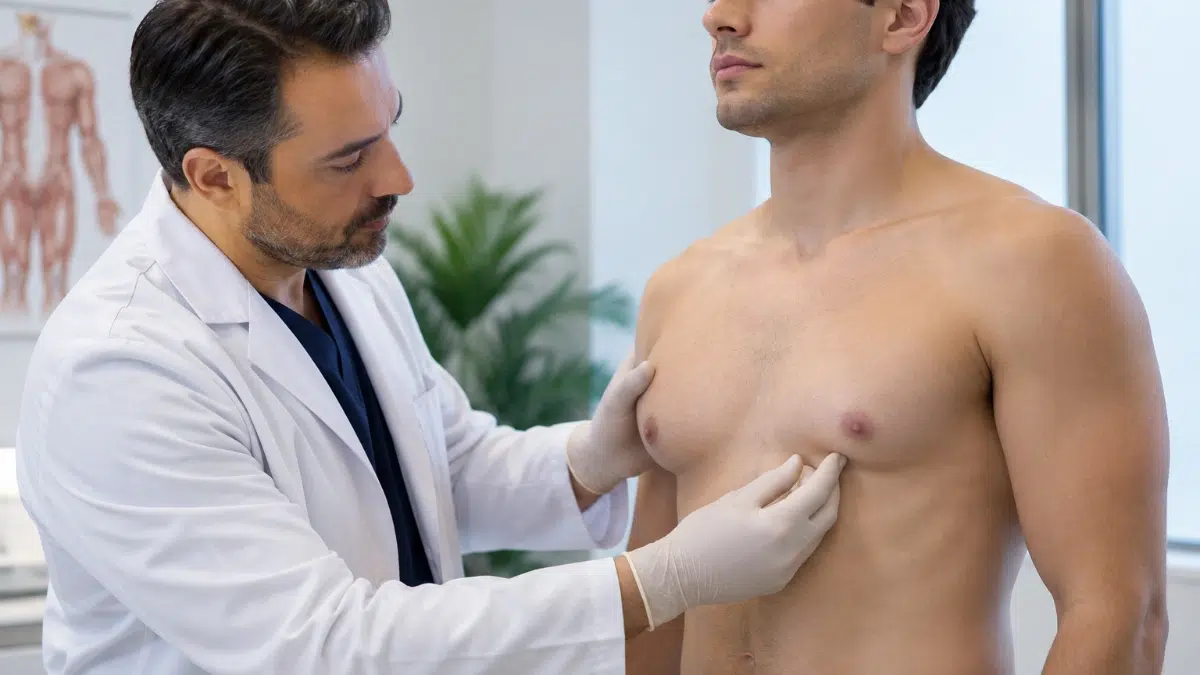
Endometriosis diagnosis usually begins with a detailed medical history, pelvic examination, and imaging. The doctor reviews the timing of pain, menstrual pattern, fertility history, previous surgeries, medication use, and any bowel or bladder symptoms.
Ultrasound can help identify ovarian endometriomas and may show signs of adhesions or pelvic distortion. MRI may be recommended when deep infiltrating endometriosis is suspected, particularly if the bowel, bladder, ureters, or pelvic sidewalls may be involved.
Laparoscopy remains important when diagnosis is uncertain or when treatment is likely to be performed at the same time. During laparoscopy, the surgeon views the pelvis through small incisions and may remove suspicious tissue for pathology.
Why Do Patients Choose Endometriosis Treatment in Turkey?
Endometriosis treatment in Turkey appeals to many international patients because care can often be organized through a coordinated medical travel pathway. This may include consultation, imaging, surgical planning, hospital admission, translation support, and postoperative follow-up.
Istanbul is also a practical destination for health tourism. Patients often choose the city because it combines modern private healthcare with international travel access. Furthermore, experienced medical teams and a setting where recovery can be supported by calm cultural experiences attract many patients.
For patients who are well enough after treatment, gentle activities such as visiting quiet museum spaces, walking near the Bosphorus, or exploring historic districts at a slow pace are recommended. Additionally, enjoying restful hotel environments may make the treatment journey feel less isolating. These experiences should always be planned according to the surgeon’s recovery advice.
What Treatment Options Are Available?
Endometriosis treatment is personalized. The most suitable option depends on pain severity, disease location, fertility plans, ovarian reserve, and previous treatment response.
Medical treatment may include pain relief and hormone-based therapies. These may help reduce inflammation and menstrual stimulation of endometriosis tissue. Options can include combined hormonal contraception, progestin therapy, hormone-releasing intrauterine systems, or ovarian suppression medication. These treatments may reduce symptoms but do not remove adhesions, cysts, or deep lesions.
Surgical treatment may be recommended when pain is severe, medication has not worked, an endometrioma is present, deep disease is suspected, or fertility planning requires restoration of pelvic anatomy.
Endometriosis Laparoscopy Turkey
Endometriosis laparoscopy Turkey is a commonly searched treatment pathway because laparoscopy is a minimally invasive surgical method used to diagnose and treat visible endometriosis. In this procedure, the surgeon makes small abdominal incisions and uses a camera with fine instruments to inspect the pelvis.
During surgery, lesions may be removed, adhesions released, endometriomas treated, and pelvic anatomy restored as much as possible. In deep infiltrating disease, surgery may require more advanced planning. This is especially true when endometriosis is close to the bowel, bladder, or ureters.
The goal is to treat disease carefully while preserving healthy tissue. This is particularly important in patients who wish to become pregnant in the future.
Fertility Preservation and Endometriosis
Fertility preservation is an important part of endometriosis care. Endometriosis may affect fertility by causing inflammation, ovarian cysts, adhesions, altered tubal function, or changes in pelvic anatomy.
Before surgery, patients who want children may need ovarian reserve testing and fertility counseling. This is especially important if an endometrioma is present, because removing cyst tissue must be balanced with protecting healthy ovarian tissue.
Some patients may benefit from surgery before trying to conceive. Meanwhile, others may be advised to consider assisted reproductive treatment, depending on age, ovarian reserve, partner factors, and the severity of disease. There is no single correct route for every patient, which is why individual planning matters.
Endometriosis Surgery Turkey Cost
Endometriosis surgery cost in Turkey depends on the complexity of the case, diagnostic tests, hospital stay, anesthesia, surgeon experience, and whether additional specialists are needed. In most cases, a simple diagnostic laparoscopy is usually less complex than surgery for deep infiltrating endometriosis involving the bowel, bladder, or ureters.
International patients should ask for a clear treatment plan before traveling. A reliable plan should explain what is included, such as consultation, imaging, blood tests, surgery, hospital stay, medication, translation support, and follow-up appointments.
The cheapest option is not always the safest option. In endometriosis care, surgical judgment, fertility protection, and proper diagnosis are more important than price alone.
What Is Recovery Like After Laparoscopy?
Recovery after laparoscopic endometriosis surgery varies according to the extent of treatment. Some patients return home the same day, while others may stay in the hospital for observation.
Mild abdominal pain, bloating, shoulder-tip discomfort, tiredness, and light bleeding can occur after laparoscopy. Walking gently is usually encouraged. However, heavy lifting, strenuous exercise, and sexual intercourse should be avoided until the surgeon confirms it is safe.
Many patients resume light daily activities within one to three weeks, although more complex surgery may require longer recovery. Follow-up is important to review pathology results, discuss symptom control, and plan fertility timing or hormonal treatment if needed.
Is There a Best Endometriosis Specialist in the World?
“Best endometriosis specialist in the world” is a phrase many patients search, but the better question is whether a doctor has the right experience for your type of disease. Endometriosis can be superficial, ovarian, deep-infiltrating, or fertility-related. In fact, each pattern requires different expertise.
A good specialist should provide a careful diagnosis, explain all treatment options, discuss risks honestly, and consider fertility goals before recommending surgery. For complex cases, multidisciplinary planning may be needed.
Patients should also feel comfortable asking about surgical approach, experience with endometriomas, deep disease management, recurrence risk, and postoperative care.
Endometriosis Treatment in Istanbul and Health Tourism
Endometriosis treatment in Turkey is often part of a wider health tourism journey in Istanbul. For international patients, the medical side of travel should always come first. However, the city can also support recovery through quiet, low-effort cultural experiences.
Depending on medical advice, patients may enjoy gentle visits to Istanbul’s museums, historic neighborhoods, art spaces, or peaceful waterfront areas. These activities should be planned carefully, avoiding long walks, crowded schedules, or physical strain soon after surgery.
A well-organized treatment journey should combine medical safety with practical comfort: airport access, translation, hospital coordination, accommodation planning, and clear instructions for recovery.
Conclusion
Endometriosis treatment in Turkey can offer international patients a structured route from diagnosis to personalized treatment. This includes medical therapy, laparoscopic surgery, and fertility-focused care. The most effective plan is the one that reflects the patient’s symptoms, reproductive goals, and disease pattern rather than relying on a standard approach.
For patients visiting Istanbul, medical treatment can also be supported by a calm and meaningful recovery environment, from restful accommodation to gentle cultural experiences when medically appropriate. Avicenna International Hospital forms part of this wider health tourism setting. Here, international patients can combine advanced medical care with the practical support needed during treatment abroad.
Choosing the right treatment starts with access to accurate information and experienced medical professionals. At Avicenna International Hospital, we support international patients with personalized healthcare in Turkey.
The best country for endometriosis treatment is the one that gives you access to experienced gynecological specialists, accurate imaging, safe surgical planning, and fertility support when needed. Turkey is often considered by international patients because treatment can be organized within a medical tourism pathway in Istanbul.
Yes, Turkey can be a good option for endometriosis care when patients choose a hospital with experienced gynaecology teams and proper diagnostic planning. The quality of treatment depends on the medical team, surgical expertise, imaging standards, and follow-up care.
The most successful treatment depends on the patient’s symptoms, disease stage, and fertility goals. Some patients improve with medication, while others need laparoscopic surgery to remove lesions, treat endometriomas, or restore pelvic anatomy.