

MS treatment in Turkey is an increasingly important option for international patients seeking specialist neurological care, advanced diagnostic testing, and coordinated support during their medical travel. Multiple sclerosis is a long-term condition of the brain, spinal cord, and optic nerves, and although it does not currently have a definitive cure, modern treatment can help reduce relapses, slow disease activity, and improve day-to-day function.
For many patients, traveling for care is not only about seeing a neurologist. It is about receiving a clear diagnosis, understanding treatment choices, managing symptoms properly, and having practical guidance in a city that is experienced in welcoming people from abroad. Istanbul has become a central part of this experience, combining a developed health tourism ecosystem with cultural settings that can make a medical journey feel calmer and more human.
What Is Multiple Sclerosis?
Multiple sclerosis is an immune-mediated neurological condition in which the body’s immune system attacks myelin, the protective covering around nerve fibers. When myelin becomes inflamed or damaged, messages between the brain and the body may slow down, become distorted, or stop temporarily.
MS can affect each person differently. Some patients experience relapses followed by recovery, while others notice gradual worsening over time. Common symptoms include fatigue, blurred or painful vision, numbness, tingling, weakness, balance problems, dizziness, muscle stiffness, bladder issues, memory changes, and difficulty concentrating.
A short episode of symptoms should never be ignored, especially if it affects vision, walking, coordination, or sensation. Early assessment can help identify whether the symptoms are caused by MS or another neurological condition.
How Is MS Diagnosed in Turkey?
MS diagnosis in Turkey usually involves a detailed neurological examination, MRI imaging, and laboratory testing to confirm the pattern of disease and rule out similar conditions. There is no single test that proves MS on its own, so doctors look at the full clinical picture.
Brain and spinal MRI are central to diagnosis because they can show lesions in areas commonly affected by MS. In some cases, contrast material is used to identify active inflammation. A lumbar puncture may also be recommended to examine cerebrospinal fluid for immune markers linked with MS. Blood tests can help exclude infections, vitamin deficiencies, autoimmune disorders, and other conditions that may look similar.
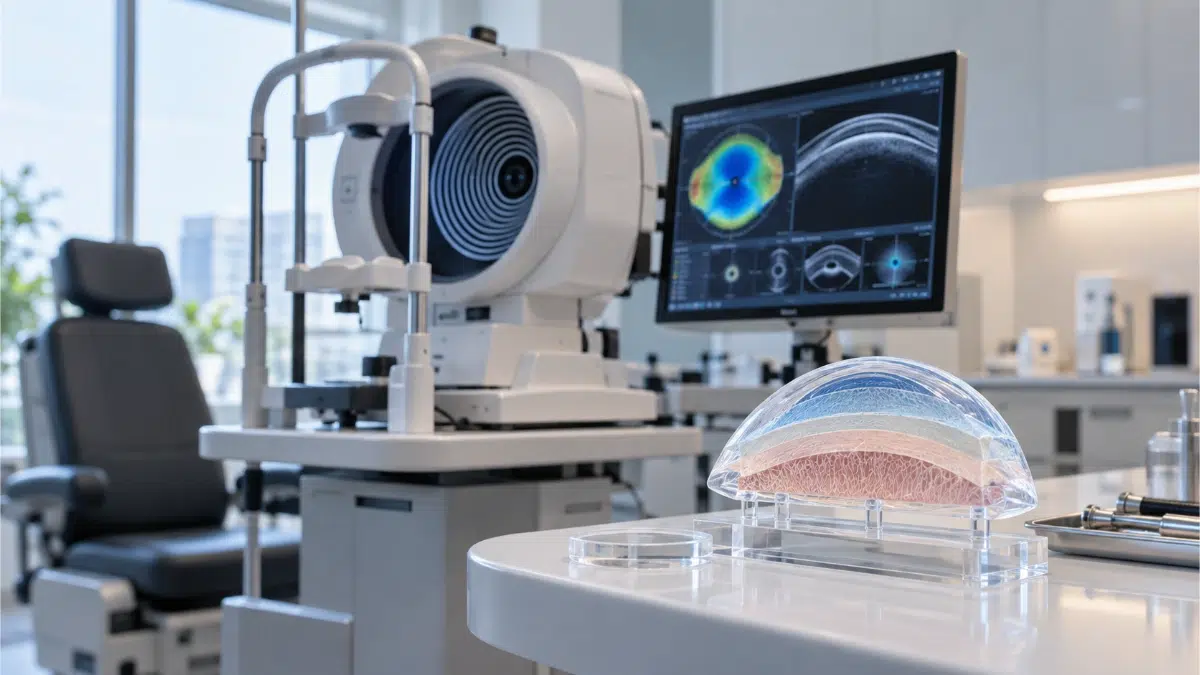
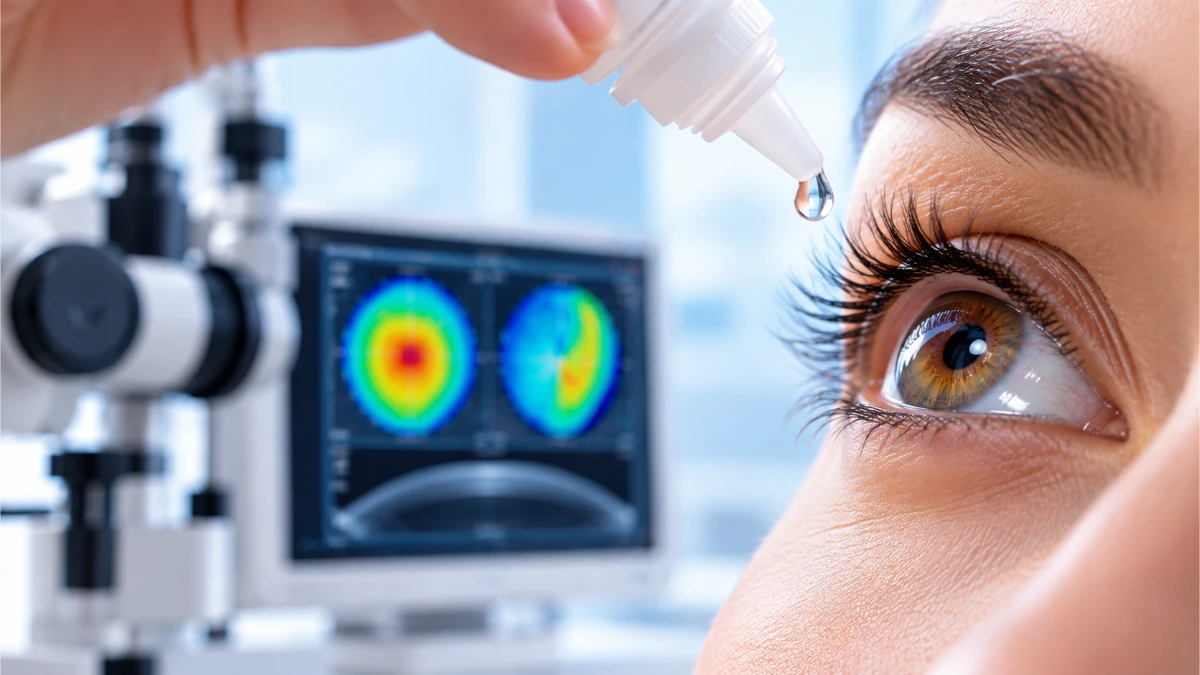
Some patients may also need eye-related neurological tests, such as optical coherence tomography or evoked potentials, particularly when optic neuritis or visual symptoms are part of the history. This careful diagnostic process matters because MS treatment should not begin until the diagnosis is as accurate as possible.
What Does MS Treatment in Turkey Include?
MS treatment in Turkey usually includes relapse management, disease-modifying therapy, symptom control, rehabilitation, and long-term monitoring. The right plan depends on the type of MS, the patient’s symptoms, MRI findings, relapse history, previous treatments, and wider health profile.
During an acute relapse, corticosteroid treatment may be used to reduce inflammation and support faster recovery. If a severe relapse does not respond well to steroids, plasma exchange may be considered in selected cases.
For longer-term disease control, neurologists may recommend disease-modifying therapies. These can include injectable medicines, oral treatments, or infusion therapies. Medications such as ocrelizumab, natalizumab, fingolimod, dimethyl fumarate, teriflunomide, and other recognized options may be considered depending on disease activity and patient suitability.
Treatment is never a one-size-fits-all decision. Doctors must consider infection risk, liver function, blood test results, pregnancy plans, vaccination status, previous side effects, and how active the disease appears on MRI.
Is Stem Cell Therapy Used for MS?
Stem cell therapy for MS is discussed in some international treatment settings, but it must be approached with caution and proper medical judgement. It is not a routine treatment for every patient with MS.
Autologous hematopoietic stem cell transplantation may be considered in highly selected cases of aggressive MS, particularly where the disease remains active despite standard therapies. Mesenchymal stem cell approaches are also discussed in some settings, but patients should ask clear questions about evidence, regulation, expected outcomes, possible risks, and follow-up requirements.
Any patient considering stem cell-based treatment should first have a full neurological review. The key question is not whether a treatment sounds advanced, but whether it is appropriate for that person’s disease type, stage, and risk profile.
Rehabilitation and Recovery-Friendly Support
Neurological rehabilitation is an important part of MS care because treatment is not only about reducing lesions or relapses. It is also about protecting mobility, confidence, and independence.
Physiotherapy may help with walking, balance, strength, coordination, and muscle stiffness. Occupational therapy can support daily activities, energy conservation, and hand function. Some patients also benefit from cognitive support, bladder management, pain treatment, fatigue planning, or psychological counseling.
For international patients, this practical side of care is very important. A good treatment plan should explain what can be done during the stay in Turkey and what should continue after returning home.
How Much Does MS Treatment Cost in Turkey?
The cost of MS treatment in Turkey depends on the diagnostic tests, medication type, hospital stay, rehabilitation needs, and whether infusion-based or advanced therapies are required. A simple consultation and MRI review will cost much less than a full diagnostic package, long-term medication plan, or hospital-based treatment program.
As a general guide, international patients may need to budget separately for neurological consultation, brain and spinal MRI, blood tests, lumbar puncture if required, medication, infusion monitoring, and rehabilitation sessions. Ocrelizumab and other advanced MS medicines can vary significantly in price depending on dosage, availability, monitoring requirements, and treatment schedule.
Patients should always request an itemized medical quote before traveling. This helps avoid confusion and allows the care team to plan appointments, tests, and treatment safely.
Why Istanbul Appeals to International MS Patients
Istanbul is a practical destination for MS treatment in Turkey because it offers international patient services, multilingual coordination, and access to advanced hospital infrastructure. The city is also well connected by air, which makes follow-up visits and family travel easier for many patients.
The recovery experience matters too. Many MS patients need a calm, low-stress environment during assessment or treatment. Istanbul offers gentle cultural activities that can fit around medical appointments, depending on the patient’s energy level and mobility.
Short visits to Sultanahmet, the Hagia Sophia area, Topkapı Palace gardens, the Bosphorus waterfront, Istanbul Archaeology Museums, or quiet art spaces can provide a meaningful break without demanding too much physical effort. For patients experiencing fatigue, shorter outings, private transport, and rest periods are usually better than crowded or long walking routes.
What Should International Patients Prepare Before Traveling?
Patients should prepare previous MRI scans, written radiology reports, medication records, blood test results, relapse history, and any previous lumbar puncture findings before travelling for MS care. These documents help the neurology team understand the disease pattern and avoid repeating unnecessary tests.
It is also useful to write a simple symptom timeline: when symptoms started, how long they lasted, whether they improved, and which treatments were used. For patients already taking MS medication, doctors need to know the exact drug name, dose, start date, and any side effects.
Good preparation makes the first appointment more productive and helps doctors design a realistic plan for diagnosis, treatment, and follow-up.
Conclusion
MS treatment in Turkey can offer international patients a structured route to neurological evaluation, personalized treatment planning, rehabilitation, and long-term disease monitoring. Istanbul adds another layer to this experience by allowing patients to combine medical care with gentle cultural experiences, from historic landmarks to peaceful Bosphorus views, when their health allows.
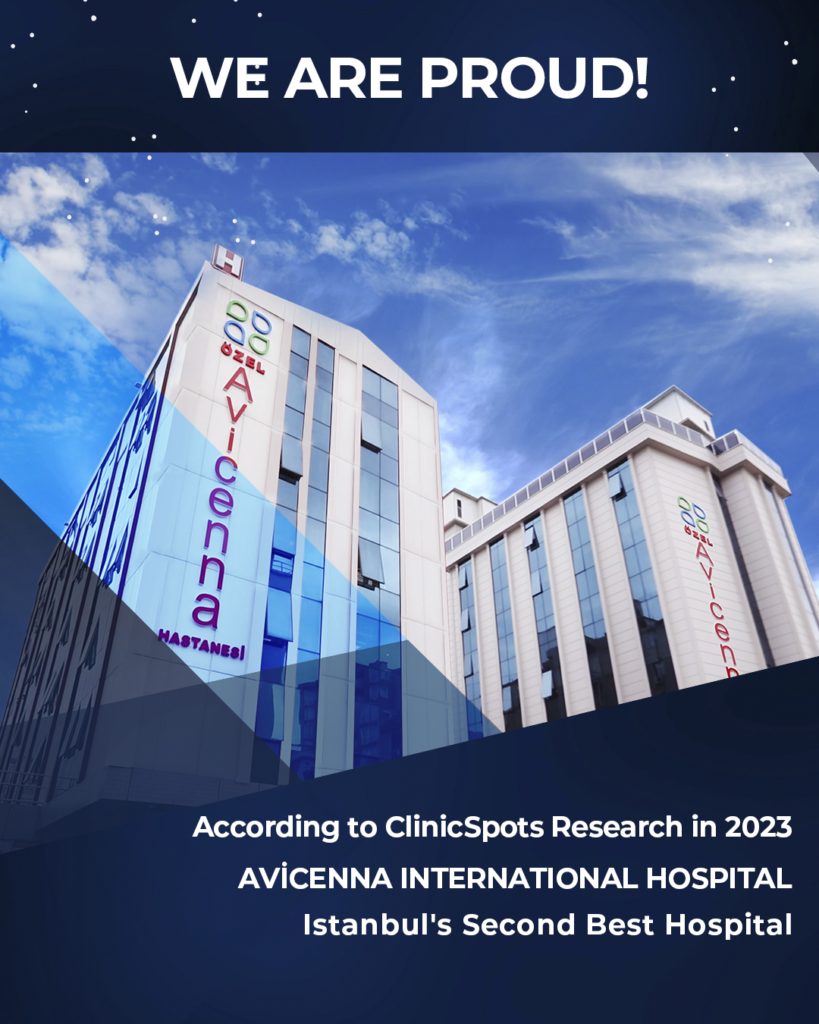
Within this wider health tourism setting, Avicenna International Hospital supports international patients who need organized medical guidance, clear communication, and coordinated healthcare in Istanbul. For people living with MS, that combination of medical planning and patient-focused support can make the treatment journey feel more manageable.
Choosing the right treatment starts with access to accurate information and experienced medical professionals. At Avicenna International Hospital, we support international patients with personalized healthcare in Turkey.
There is no single best country for MS treatment because the right choice depends on diagnosis accuracy, neurologist experience, access to approved therapies, and long-term follow-up. Turkey is considered by many international patients because it offers advanced neurological assessment, medical travel support, and comparatively accessible private healthcare options.
Ocrevus cost in Turkey can vary depending on dosage, hospital protocol, infusion monitoring, pre-treatment tests, and exchange rates. Patients should request a personalizedpersonalized quote because the medicine itself is only one part of the total treatment cost.
The best neurology hospital in Turkey for an MS patient is one that provides experienced neurologists, advanced MRI imaging, safe medication monitoring, rehabilitation support, and clear international patient coordination. Patients should choose based on their diagnosis, treatment needs, and the quality of communication before travel.