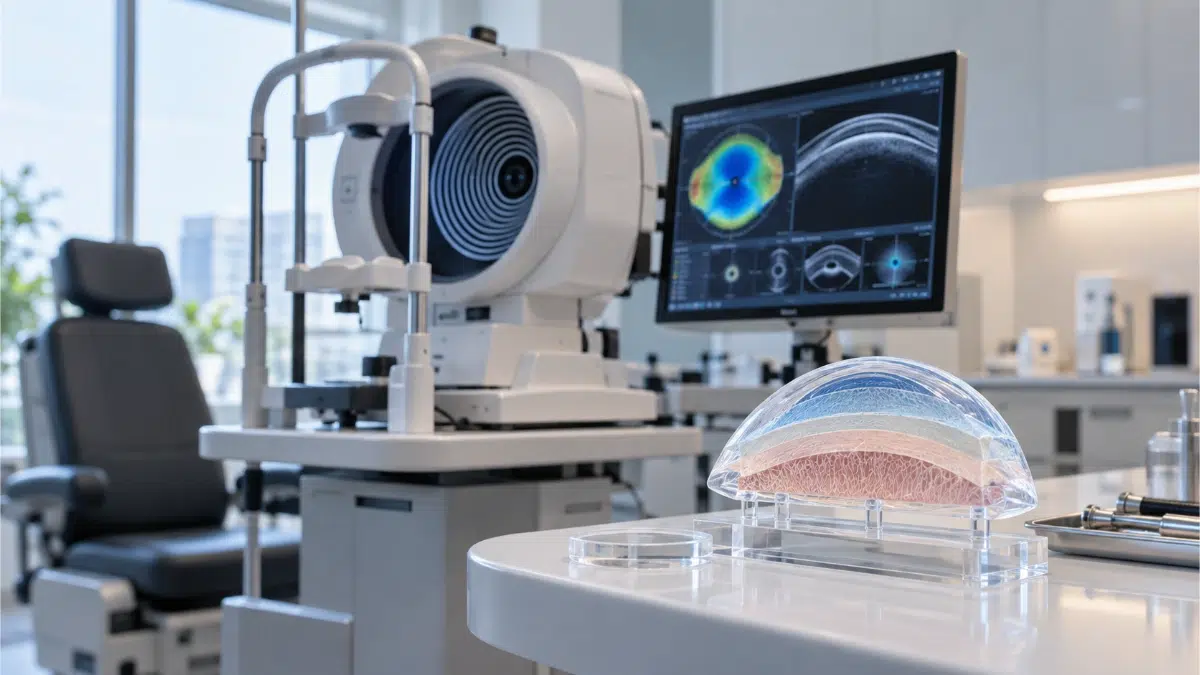


Ovarian cyst surgery in Turkey is usually performed with minimally invasive laparoscopy when the cyst is large, persistent, painful, or medically suspicious. Many international patients choose Turkey because treatment can include gynecology consultations, ultrasound or MRI assessments, anesthesia, hospital care, pathology, and recovery support at a lower cost than in many Western countries.
For international patients, Turkey has become a practical destination for gynaecological surgery because it combines experienced medical teams and modern diagnostic imaging. The country also offers minimally invasive surgical techniques and coordinated patient support. In Istanbul, patients can also recover in a city that offers calm coastal areas, historic neighborhoods, and cultural experiences. This can make a medical trip feel less stressful when the doctor approves light activity.
What Is an Ovarian Cyst?
An ovarian cyst is a fluid-filled sac that forms in or on an ovary. Ovarian cysts are common, especially during the reproductive years, and many are harmless. Some are functional cysts linked to the menstrual cycle. Meanwhile, others may be related to endometriosis, dermoid tissue, cystadenomas, or other gynecological conditions.
Most ovarian cysts do not cause serious problems. Some women only discover them during a routine pelvic ultrasound. Others may experience pelvic pain, bloating, pressure, irregular bleeding, pain during intercourse, or discomfort when passing urine or opening the bowels. However, sudden severe pain, nausea, vomiting, or faintness needs urgent medical attention because it may suggest rupture, bleeding, or ovarian torsion.
When Is Ovarian Cyst Surgery Needed?
Ovarian cyst surgery is usually needed when a cyst is large, persistent, painful, complex in appearance, or suspicious for malignancy. Surgery may also be advised if the cyst does not disappear after monitoring. In addition, it may be needed if it causes repeated symptoms or if it could damage ovarian function.
Doctors usually assess the cyst by looking at its size, structure, symptoms, and imaging findings. Ultrasound is often the first test. In some cases, MRI, blood tests, or tumor markers may be requested to understand the cyst more clearly before treatment is planned.
Surgery does not mean every ovarian cyst is dangerous. In many cases, the aim is to remove the cyst safely and reduce symptoms. It also helps confirm the diagnosis through pathology and preserve as much healthy ovarian tissue as possible.
Types of Ovarian Cyst Surgery in Turkey
The two main types of ovarian cyst surgery are laparoscopy and laparotomy. The right method depends on the cyst’s size, position, appearance, symptoms, and whether there is any concern about cancer.
Laparoscopic Ovarian Cyst Surgery
Laparoscopic ovarian cyst surgery is a minimally invasive keyhole procedure. The surgeon makes small incisions in the abdomen and uses a camera and fine surgical instruments to view the ovaries and remove the cyst.
This method is commonly preferred when the cyst appears suitable for keyhole surgery. It usually causes less pain, smaller scars, and a shorter recovery compared with open surgery. Many patients can leave the hospital the same day or after one night, depending on their condition and the surgeon’s advice.
Open Ovarian Cyst Surgery
Open surgery, also called laparotomy, may be recommended when a cyst is very large, complex, difficult to remove safely through small incisions, or suspicious for cancer. During laparotomy, the surgeon makes a larger abdominal incision to access the ovary and cyst directly.
Open surgery usually requires a longer hospital stay and a slower recovery. However, it can be the safer option in selected cases, especially when the cyst must be removed intact or when the surgeon needs better access to surrounding tissues.
Can an Ovarian Cyst Be Removed Without Removing the Ovary?
Yes, an ovarian cyst can often be removed without removing the ovary. This procedure is called ovarian cystectomy. The surgeon removes the cyst while preserving healthy ovarian tissue as much as possible.
Fertility preservation is an important part of treatment planning for women who may want children in the future. In many cases, both ovaries can remain in place after surgery. If one ovary needs to be removed because of the cyst’s condition, the remaining ovary can often continue producing hormones and eggs.
In rare or more complex cases, one ovary, one fallopian tube, or both ovaries may need to be removed. This depends on the patient’s age, menopause status, cyst type, cancer risk, and surgical findings. Fertility concerns should always be discussed before surgery.
How Much Does Ovarian Cyst Surgery Cost in Turkey?
Ovarian cyst surgery in Turkey generally costs less than in many Western countries. However, the final price depends on the patient’s medical needs. The cost can vary according to the surgical method, hospital stay, surgeon assessment, anesthesia, imaging tests, blood tests, pathology, and whether the patient needs additional treatment.
Laparoscopic cystectomy is usually priced differently from open surgery because the hospital stay, operating time, and equipment needs may vary. International patients should ask whether the quoted price includes preoperative tests, consultation, anesthesia, hospital accommodation, pathology, follow-up, and translation support.
A reliable hospital should not give a final treatment plan based only on a message or a single symptom. The correct approach is to review ultrasound findings, medical history, symptoms, and reproductive goals before confirming the most suitable treatment.
Is Ovarian Cyst Surgery Major or Minor Surgery?
Ovarian cyst surgery may be considered minor or major depending on the surgical method and medical complexity. Laparoscopic cyst removal is usually a minimally invasive procedure, but it is still real surgery performed under general anesthesia.
Open surgery is more major because it involves a larger incision, longer healing time, and often a longer hospital stay. A simple laparoscopic cystectomy for a benign-looking cyst is very different from surgery for a very large cyst, suspected malignancy, severe endometriosis, or emergency torsion.
Patients should avoid judging the seriousness of surgery only by incision size. The cyst type, ovarian involvement, bleeding risk, and fertility considerations are just as important.
What Happens Before Ovarian Cyst Surgery?
Before ovarian cyst surgery, the doctor reviews the patient’s symptoms, ultrasound results, medical history, and any previous abdominal or pelvic surgery. Blood tests, pregnancy testing, anesthesia evaluation, and further imaging may also be requested.
Patients are usually advised not to eat or drink for a certain period before general anesthesia. They may also be asked to stop smoking, avoid some medicines, arrange for someone to accompany them after discharge, and prepare for a short recovery period at home or in a hotel.
International patients should travel with their medical records, ultrasound reports, medication list, and any previous pathology or surgery documents. This helps the gynecology team make a safer and more personalized plan.
Recovery After Ovarian Cyst Surgery
Recovery after ovarian cyst surgery depends on whether the procedure is laparoscopic or open. After laparoscopy, many patients feel abdominal discomfort, tiredness, shoulder-tip pain from surgical gas, and mild vaginal bleeding for a few days. Gentle walking is usually encouraged. However, heavy lifting and strenuous activity should be avoided until the doctor confirms it is safe.
Some patients return to desk-based work within one to two weeks after laparoscopic surgery, but this varies. Open surgery usually takes longer, and full recovery may require several weeks. The surgeon will advise when it is safe to fly, exercise, have sexual intercourse, and return to normal activity.
Patients should contact their doctor urgently if they have heavy bleeding, fever, worsening abdominal pain, swelling, bad-smelling discharge, chest pain, shortness of breath, or a painful swollen leg.
Can Ovarian Cysts Come Back After Surgery?
Ovarian cysts can come back after surgery, especially if the underlying cause is still present. Functional cysts, endometriomas, and cysts associated with hormonal conditions may recur in some patients.
Follow-up is important after surgery. The doctor may recommend ultrasound checks, hormonal management, endometriosis treatment, PCOS care, or fertility planning, depending on the diagnosis. Pathology results are also important because they confirm the cyst type and guide any further medical decisions.
Why Choose Turkey for Ovarian Cyst Surgery?
Turkey is a strong option for ovarian cyst surgery because patients can access gynecological specialists, diagnostic imaging, minimally invasive surgery, and international patient support in one healthcare journey. Istanbul is especially relevant for medical travelers because it is well connected by air and has a developed health tourism ecosystem.
For many patients, the appeal is not only the operation itself. It is also the ability to receive coordinated care before, during, and after treatment. This may include appointment planning, hospital admission guidance, translation support, and advice about safe recovery before traveling home.
When the doctor approves light movement, Istanbul also offers recovery-friendly experiences such as gentle walks by the Bosphorus, quiet museum visits, historic districts, peaceful cafés, and hotel-based rest. These activities should always be adapted to the patient’s energy level and medical advice.
Conclusion
Ovarian cyst surgery in Turkey can be a suitable option for women who need safe cyst removal, symptom relief, fertility-conscious treatment, or further diagnosis through pathology. The best approach depends on the cyst’s size, type, symptoms, and imaging results, not just on price or travel convenience.
For international patients considering gynecological care in Istanbul, Avicenna International Hospital offers a setting where medical assessment, surgical planning, and patient support can be combined with the wider advantages of health tourism in Turkey. With proper guidance, patients can receive treatment while also experiencing Istanbul in a calm and recovery-conscious way.
Choosing the right treatment starts with access to accurate information and experienced medical professionals. At Avicenna International Hospital, we support international patients with personalized healthcare in Turkey.
Ovarian cyst surgery cost depends on the surgical method, hospital stay, anesthesia, diagnostic tests, and pathology. Laparoscopic surgery and open surgery may have different prices because the procedure time, equipment, and recovery needs are not the same. Patients should request a personalized quote after sharing their ultrasound report and medical history.
Yes, surgery in Turkey can be trusted when patients choose an experienced hospital, qualified doctors, and a clear medical process. International patients should check the hospital’s gynecology services, ask what is included in the treatment plan, share their medical documents in advance, and make sure follow-up care is clearly explained.
Yes, an ovarian cyst can be removed through surgery. In many cases, the cyst can be removed while preserving the ovary, especially when the cyst is benign and the patient wants to protect fertility. The surgeon may recommend laparoscopy or open surgery depending on the cyst’s size, appearance, and risk level.